
Aquamarine Information Guide: Your Deep Dive into the Sea-Blue Gem
Hey there, gem enthusiasts! If you're into that serene, ocean-vibe jewelry or just curious about what makes aquamarine tick, you've landed in the right spot. This guide is all about keeping it casual while unpacking everything from its sparkly basics to why it's more than just a pretty rock. We'll chat about the 4Cs, where it comes from, its backstory, how much it'll set you back, and even those mystical healing vibes. Plus, I've thrown in some handy tips for wearing and caring for it, a comparison table with other blue beauties, and FAQs to wrap it up. Let's splash in!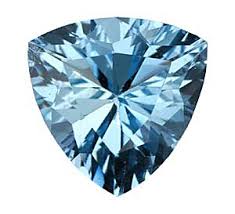
Table of Contents
- Summary
- The 4Cs of Aquamarine
- Origin of Aquamarine
- History of Aquamarine
- Value of Aquamarine
- Price of Aquamarine
- Rarity of Aquamarine
- Aquamarine as a Birthstone
- Healing Powers of Aquamarine
- Jewelry Tips for Aquamarine
- Care and Maintenance for Aquamarine
- Comparison Table: Aquamarine vs. Other Blue Gemstones
- FAQs
Summary
Aquamarine is that dreamy blue-to-greenish gem that's basically like wearing a piece of the ocean. Part of the beryl family (yeah, same as emerald), it's loved for its chill, transparent look and is the official birthstone for March folks. Not super rare, but the deep blue versions can get pricey. It's got a rep for calming vibes, making it popular in jewelry and even some spiritual circles. Prices start low for lighter shades but climb for intense colors—think $80 to $600 per carat on average in 2025. Whether you're shopping for a ring or just geeking out, aquamarine is durable, versatile, and always a conversation starter.
The 4Cs of Aquamarine
You know the drill with gems—the 4Cs are like the report card for quality. For aquamarine, color steals the show, but let's break it down easy.
- Color: This is the biggie. Aquamarine ranges from pale sky blue to a deeper sea blue, sometimes with a hint of green. The top-tier stuff, like Santa Maria aquamarine from Brazil, has that intense, saturated blue without looking too greenish. Lighter ones are cool for everyday wear, but deeper hues scream luxury.
- Clarity: These gems are usually super clear—eye-clean with few inclusions. As a Type I gem, you won't see much junk inside, which keeps that watery transparency popping.
- Cut: Aquamarines come in all shapes—emerald cuts for elegance, rounds for sparkle. The goal? Maximize that blue glow without wasting the stone. Since they're often big, cutters get creative.
- Carat: Big sizes are no big deal here; aquamarines can be huge without jacking up the price per carat like diamonds do. A 1-carat stunner might run you around $675, but larger ones don't exponentially cost more.
Origin of Aquamarine
Aquamarine pops up in pegmatite rocks worldwide, but Brazil is the MVP—home to those famous Santa Maria mines with the richest blues. Other hot spots include Nigeria, Madagascar, Zambia, Pakistan, and even the US (like Colorado). Each place adds its own twist; African ones might be more greenish, while Brazilian are pure blue magic.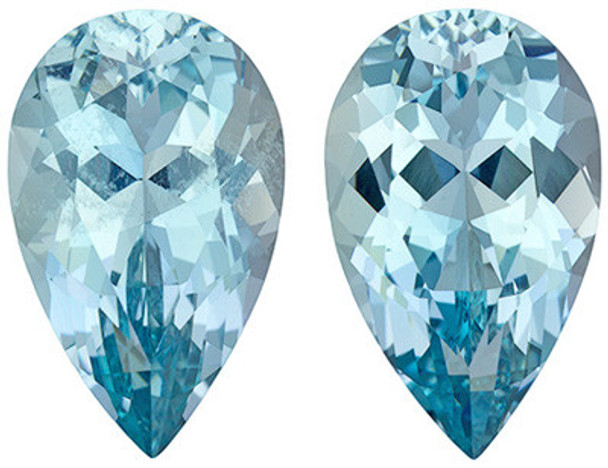
History of Aquamarine
This gem's got stories older than your grandma's recipes. Romans called it "water of the sea" and used it as a sailor's lucky charm against storms—think mermaid treasure vibes. In ancient times, it was carved into amulets for protection and even thought to purify water. Fast-forward to the 19th century, and it became a jewelry fave in Europe. Today, it's still sailing strong as a modern birthstone.
Value of Aquamarine
Value boils down to those 4Cs, but color intensity rules. A deep blue with great clarity? High value. Add in size and a flawless cut, and you're golden. Unlike rarer gems, aquamarine doesn't skyrocket with carat weight—it's more about that vivid hue. Santa Maria types are the priciest for their rarity and pop.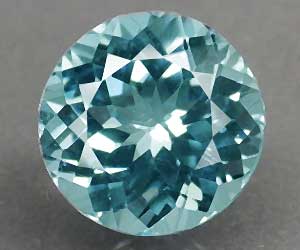
Price of Aquamarine
In 2025, prices are steady but vary by quality. Light blue faceted? $80–$400 per carat. Medium? Similar range. Dark, intense blues hit $200–$600 per carat, and premium Santa Maria can push $1,000+. For a 2-3 carat stone, expect $1,000–$1,500 per carat on average. Rough stones are cheaper, like $1,200 for a 191g crystal. Shop around—lab treatments can lower costs, but natural is king.
Rarity of Aquamarine
Aquamarine isn't super rare overall—plenty out there—but the deep, untreated blues? Those are trickier to find, especially in big sizes without flaws. Compared to diamonds, it's way more abundant, which keeps prices chill. High-quality Santa Maria from exhausted mines? That's the rare unicorn.
Aquamarine as a Birthstone
March babies, this is your jam! Aquamarine reps serenity and courage, perfect for spring vibes. It's been the official March birthstone since 1912, symbolizing hope and health. Pair it with bloodstone (the other March stone) for a dual-power combo.
Healing Powers of Aquamarine
Okay, let's get woo-woo. Aquamarine is all about calm—think stress-buster, throat chakra opener for better chats, and emotional healing. Folklore says it soothes anxiety, boosts courage, and even helps with physical stuff like sore throats or allergies. Wear it for joy, peace, and that inner mermaid glow. Not science, but hey, if it feels good...
Jewelry Tips for Aquamarine
Aquamarine's versatility is chef's kiss. Rock it in rings (durable enough for daily wear), pendants for that neckline pop, or earrings to frame your face. Pair with white gold or silver for a cool tone match, or yellow gold for contrast. Add diamonds for sparkle, or keep it solo for minimalist vibes. Pro tip: Go for bezel settings to protect edges in active jewelry.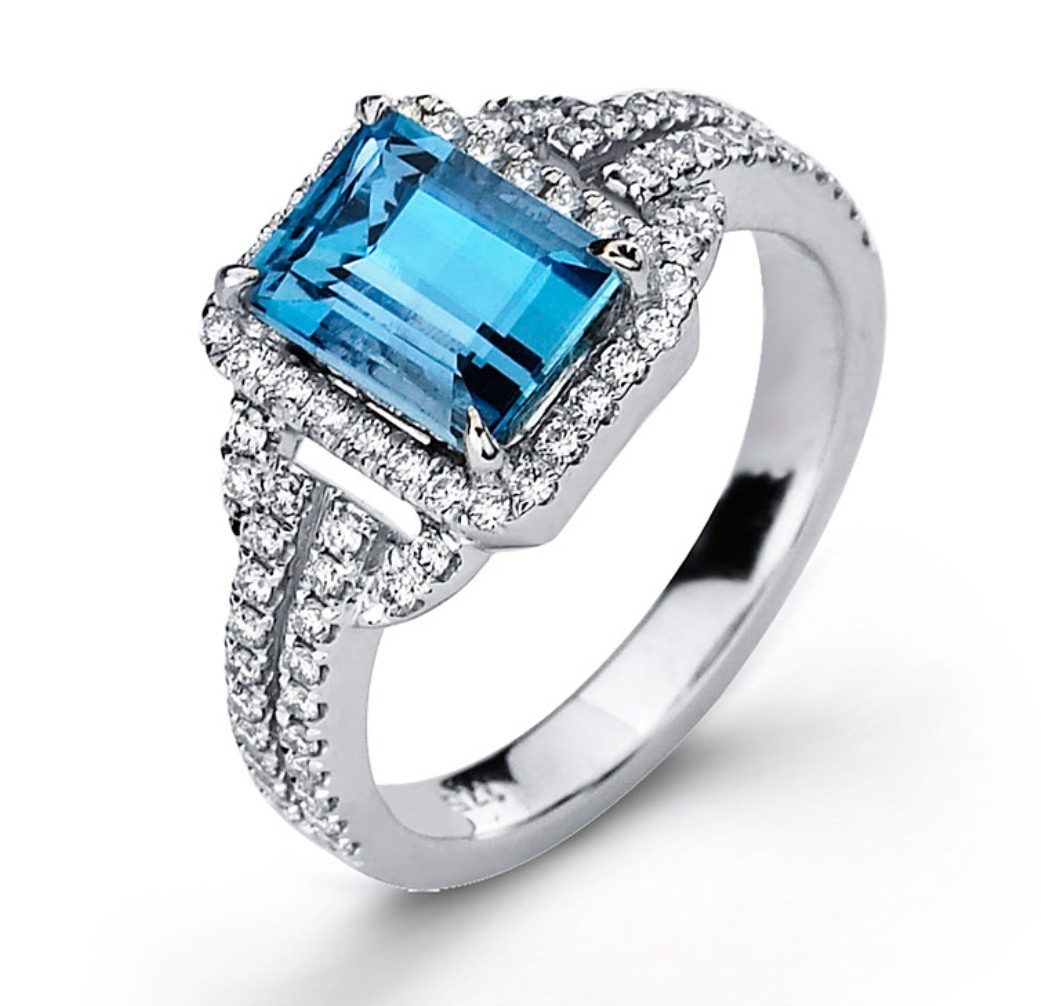
Care and Maintenance for Aquamarine
With a Mohs hardness of 7.5–8, it's tough against scratches but avoid knocks. Clean with warm soapy water and a soft brush—no ultrasonics or steam, as heat can fade color. Store away from harder gems like sapphires. If it's heat-treated (common for better blue), it's stable, but skip harsh chemicals.
Comparison Table: Aquamarine vs. Other Blue Gemstones
Here's a quick side-by-side to see how aquamarine stacks up against its blue buddies. Based on color vibes, toughness, and wallet impact.
| Gemstone | Color Description | Hardness (Mohs) | Rarity | Price Range (per carat, 2025) | Best For |
|---|---|---|---|---|---|
| Aquamarine | Pale to deep sea blue, often greenish | 7.5–8 | Common (deep blue rarer) | $80–$1,000+ | Everyday jewelry, calming vibes |
| Sapphire | Deep royal blue, intense | 9 | Rare in top quality | $500–$10,000+ | Heirloom pieces, durability |
| Blue Topaz | Vivid electric blue, bright | 8 | Very common | $20–$200 | Affordable sparkle, bold color |
| Tanzanite | Violet-blue, pleochroic | 6–7 | Rare | $300–$1,200 | Unique hues, but fragile |
| Blue Zircon | Bright turquoise-blue | 6–7.5 | Moderately rare | $50–$400 | High dispersion, fire |
| Blue Tourmaline (Indicolite) | Teal to deep blue, variable | 7–7.5 | Rare | $200–$2,000+ | Custom designs, variety |
Aquamarine wins for affordability and size availability, but sapphire takes the crown for hardness and prestige.
FAQs
Is aquamarine a real gemstone?
Totally! It's a variety of beryl, just like emerald.
How can I tell if my aquamarine is real?
Look for natural inclusions under magnification, or get it certified. Fakes like glass won't have that cool refractive index.
Why is aquamarine associated with the sea?
Its name means "sea water" in Latin, and ancient sailors used it for protection.
Can aquamarine change color?
Some are heat-treated to enhance blue, but natural ones stay stable. Avoid prolonged sun or heat exposure.
Is aquamarine good for engagement rings?
Yep, its hardness makes it ring-ready, especially with protective settings.
What's the most valuable type of aquamarine?
Santa Maria—deep blue, from Brazil, fetches the highest prices.
There you have it—a full splash on aquamarine! If you've got more questions or want to geek out further, hit me up.