
Amethyst Information Guide: Your Friendly Dive into the World of Purple Wonders
Hey there! If you're reading this, you're probably as fascinated by that gorgeous purple sparkle as I am. Amethyst has been stealing hearts for centuries, and today, we're going to chat about everything you need to know. We'll cover the basics like the 4Cs, where it comes from, its rich history, and even those mystical healing vibes. Plus, I've got tips on jewelry, care, and a couple of handy tables to compare it with other purple gems. Let's get started!
Table of Contents
- Summary
- The 4Cs of Amethyst
- Origin of Amethyst
- History of Amethyst
- Value and Rarity
- Price Guide
- Amethyst as a Birthstone
- Healing Powers and Metaphysical Properties
- Jewelry Tips for Amethyst
- How to Care for Your Amethyst
- Comparison Table: Amethyst vs. Other Purple Gemstones
- FAQs
Summary
Amethyst is that stunning purple variety of quartz that's been adored since ancient times for its beauty and supposed magical properties. It's the birthstone for February, symbolizing peace and clarity, and it's pretty affordable compared to rarer gems. Whether you're into its deep violet hues for jewelry or its calming energy for wellness, amethyst is versatile, durable, and widely available. In this guide, we'll explore its quality factors (the 4Cs), origins from places like Brazil, historical lore from Greek myths, current pricing around $5–$50 per carat, and tips on wearing and caring for it. Stick around for a comparison with other purple stunners like tanzanite and purple sapphire, plus some FAQs to wrap things up.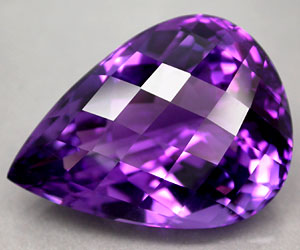
The 4Cs of Amethyst
Okay, let's kick things off with the basics—the 4Cs: Color, Clarity, Cut, and Carat. These are like the report card for any gemstone, and amethyst is no exception. They're what determine how fabulous (and valuable) your piece is.
First up, Color. Amethyst's signature is that purple shade, ranging from pale lavender to a rich, deep violet with hints of red or blue. The most prized ones? Those with a saturated, even purple without any brownish tones—think "Siberian" amethyst for the top tier. If it's too light, it might look washed out; too dark, and it could seem inky.
Clarity is next. Since amethyst is a type of quartz, it's usually pretty clean, but watch for inclusions like feathers or needles that can lower the value. Eye-clean stones (no visible flaws to the naked eye) are ideal for jewelry.
Then there's Cut. Amethyst can be faceted for sparkle or cabochon for a smooth dome—whatever suits the stone. A good cut maximizes that purple fire and symmetry, making it pop in light.
Finally, Carat weight. Bigger isn't always better, but larger high-quality amethysts are rarer, so they cost more per carat. Most jewelry pieces are 1–5 carats, but you can find massive geodes for decor.
Understanding these helps you spot a winner when shopping!
Origin of Amethyst
Amethyst pops up all over the globe, but some spots are famous for producing the best stuff. Brazil is the big player—think huge geodes from Rio Grande do Sul with those vibrant purples. Uruguay gives us those deep, reddish-violet beauties, while Zambia in Africa offers lighter, sometimes greenish tones. Other sources include Russia (the "Siberian" variety, though not always from Siberia anymore), Madagascar, and even the US in places like Arizona.
Fun fact: Amethyst forms in volcanic rocks or geodes, where silica-rich water cools and crystallizes over millions of years. No wonder it's so abundant—Mother Nature's been generous!
History of Amethyst
Amethyst has quite the backstory—it's like the celebrity of gemstones. The name comes from the Greek "amethystos," meaning "not intoxicated," because ancient Greeks believed wearing it prevented drunkenness. They'd carve cups from it or wear amulets to stay sober at parties!
In Egyptian times, it was a fave for jewelry and seals. Romans associated it with Bacchus, the wine god, and medieval Europeans thought it symbolized royalty—bishops even wore amethyst rings. Fast forward to today, and it's still a symbol of peace and spirituality, popping up in crowns, scepters, and even the British Crown Jewels. Pretty cool how a stone from the earth has rubbed shoulders with history's big shots, right?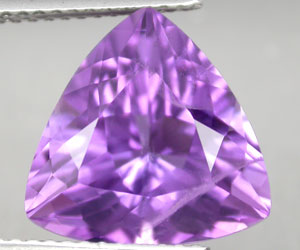
Value and Rarity
So, is amethyst rare? Not really—it's one of the more common gemstones out there, which keeps it affordable. But top-quality ones? Those with intense color, no inclusions, and from prime origins like Uruguay can feel a bit exclusive.
Value-wise, it's all about those 4Cs we talked about. A flawless, deep purple stone will fetch more than a pale, included one. Synthetics exist, but natural amethyst holds more appeal for collectors. Overall, it's not as rare as diamonds or emeralds, but that's what makes it accessible for everyday bling.
Price Guide
Speaking of money, let's talk dollars. In 2025, amethyst prices are pretty wallet-friendly. Low-quality stuff starts at $2–$5 per carat, mid-range (decent color and clarity) is $5–$15, and high-end beauties can go $20–$50+ per carat. For example, a 1-carat top-grade amethyst might cost $30–$50, while larger or treated stones could be cheaper.
Factors like origin matter—Brazilian is common and affordable, but rare "Deep Russian" varieties push prices up. Jewelry settings add to the cost too. Shop around certified dealers to avoid overpaying!
Amethyst as a Birthstone
If you're a February baby, amethyst is your lucky charm! It's the official birthstone for that month, representing peace, courage, and stability. Folks born under Aquarius or Pisces often vibe with it too.
Gifting amethyst jewelry for February birthdays is a sweet tradition—think rings or pendants that add a pop of purple to any outfit. It's also linked to the 6th and 17th wedding anniversaries. Who knew a stone could mark so many milestones?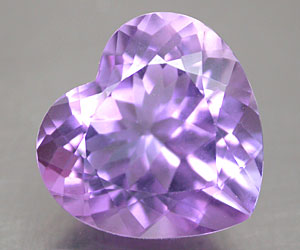
Healing Powers and Metaphysical Properties
Now, for the woo-woo side—amethyst is a superstar in crystal healing. It's said to calm the mind, reduce stress, and promote sobriety (echoing that ancient Greek lore). People use it for meditation to enhance intuition, ward off negativity, and even improve sleep by placing it under pillows.
Spiritually, it's tied to the crown chakra, helping with clarity and spiritual growth. Some believe it aids in healing headaches or boosting immunity, though that's more folklore than science. Whether you're a believer or not, its soothing purple hue sure feels relaxing!
Jewelry Tips for Amethyst
Amethyst is super versatile for jewelry—it's hard enough (Mohs 7) for daily wear but not invincible, so treat it kindly. Pair it with silver for a cool, modern look or gold for warmth. Rings, earrings, necklaces—you name it.
Pro tip: For engagement rings, go for a protective setting since it's softer than diamonds. Mix it with other gems like diamonds for contrast, or keep it solo for that regal vibe. And hey, raw clusters make awesome home decor too!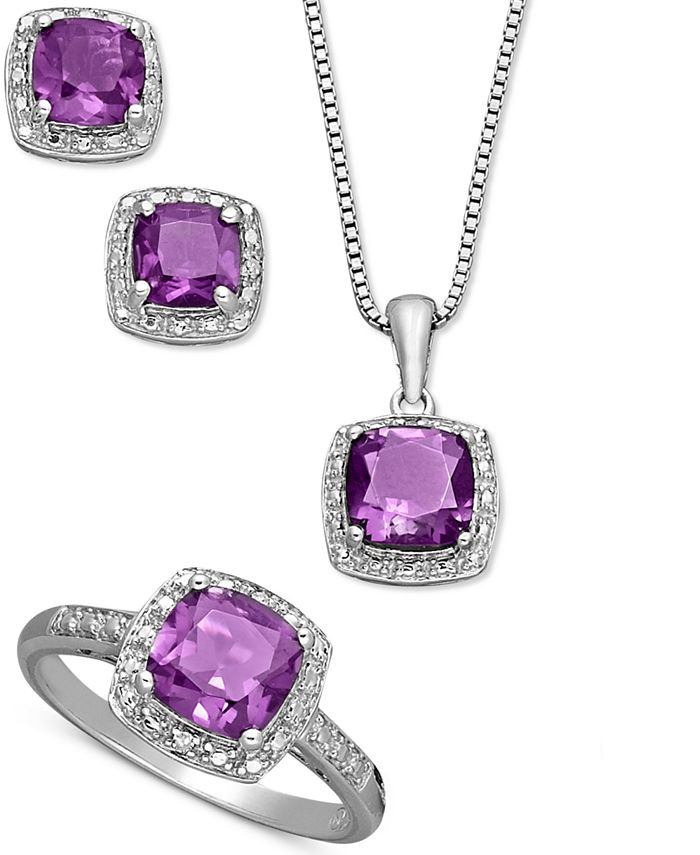
How to Care for Your Amethyst
Keeping your amethyst sparkling is easy-peasy. Clean it with warm soapy water and a soft brush—avoid harsh chemicals or steam cleaners, as heat can fade the color. Ultrasonic cleaners are usually okay, but skip them for included stones.
Store it away from direct sunlight to prevent fading, and keep it separate from harder gems like diamonds that could scratch it. With a little TLC, it'll stay vibrant for generations.
Comparison Table: Amethyst vs. Other Purple Gemstones
Purple gems are having a moment, but how does amethyst stack up? Here's a quick table comparing it to some popular alternatives like purple sapphire, tanzanite, iolite, spinel, and kunzite. I've focused on key traits like hardness, rarity, and price for easy shopping decisions.
| Gemstone | Hardness (Mohs) | Rarity | Typical Color Range | Price per Carat (2025 est.) | Key Notes |
|---|---|---|---|---|---|
| Amethyst | 7 | Common | Lavender to deep violet | $5–$50 | Affordable, durable for everyday wear; quartz family. |
| Purple Sapphire | 9 | Rare | Violet with blue/red undertones | $500–$5,000+ | Very hard, often heat-treated; corundum like rubies. |
| Tanzanite | 6.5–7 | Very Rare | Blue-violet | $300–$600 | Only from Tanzania; pleochroic (color changes with angle). |
| Iolite | 7–7.5 | Common | Violet-blue | $10–$50 | Pleochroic; affordable alternative to sapphire. |
| Purple Spinel | 8 | Moderate | Lilac to deep purple | $100–$1,000 | Brilliant sparkle; often untreated. |
| Kunzite | 6.5–7 | Moderate | Pinkish-lilac | $20–$100 | Fades in sunlight; spodumene family, needs careful handling. |
Amethyst wins for budget and availability, but if you want something rarer, tanzanite or purple sapphire might be your pick.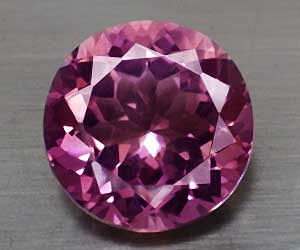
FAQs
Q: Is amethyst a precious or semi-precious stone?
A: It's considered semi-precious, but don't let that fool you—its beauty rivals many pricier gems!
Q: Can amethyst change color?
A: Yep, prolonged sun exposure can fade it, so store it in the shade. Heat treatments can also turn it into citrine.
Q: Is synthetic amethyst worth buying?
A: Sure, if you're on a budget—it's identical chemically but lacks the "natural" appeal. Always ask for disclosure.
Q: What's the best way to tell if my amethyst is real?
A: Look for natural inclusions under magnification or get it certified. Real ones feel cool to the touch and don't scratch easily.
Q: Does amethyst have any zodiac connections?
A: It's linked to Pisces and Aquarius, boosting intuition and calm.
There you have it—your ultimate amethyst chat! If you've got more questions or want to share your favorite piece, drop a comment. Happy gem hunting!