
Quartz:
Basic facts:
Origin: Australia, Bolivia, Brazil, India, Kenya, Madagascar, Mozambique, Russia, South Africa, Tanzania, Uruguay & Zambia
Colors: Various
Family: Quartz: SiO2
Hardness: 7
Refractive Index: 1.54 – 1.55
Specific Gravity: 2.65
Treatment: Some varieties are sometimes treated
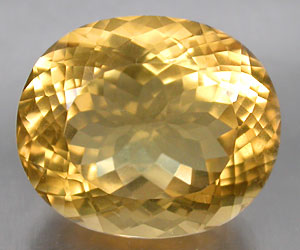
The Greeks originally named quartz crystallosis, that is, ice, but this term was soon applied to all types of crystal. The modern name of quartz is derived from the Saxon word querklufterz, meaning "cross-vein ore."
Quartz is the most varied in terms of varieties, colors and shapes of gemstones. The gemstone quartz has been used in jewelry for thousands of years.
Myths and legends
Quartz crystals are universally used in meditation, as they are believed to have healing properties and other various metaphysical powers.
Folklorists classify quartz as a receptive gemstone credited with the ability to attract positive energies, such as peace and love. The energy quartz is said to have helps balance emotions, bringing inner peace, harmony and improving the bonds of relationships. It is also said to calm aggression and increase self-esteem.
Quartz facts
Quartz gemstones are usually divided into two groups based on the size of their individual crystals.
The macrocrystalline quartz (large crystal) group includes many popular gemstones such as amethyst, ametrine, citrine, green amethyst (prasiolite), rose quartz, rutile quartz, smoky quartz and Tiger's eye.
Cryptocrystalline quartz includes varieties whose individual crystals are too small to be easily distinguished such as chalcedony, agate, carnelian, sard, chrysoprase, heliotrope and jasper.
Amethyst is the queen of quartz varieties and in better grades is among the most sought after of the quartz stones.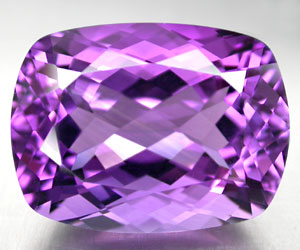
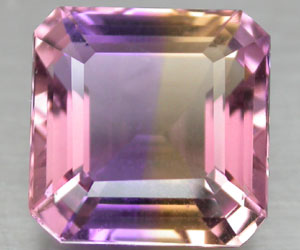
Ametrine is a two-tone variety that is part amethyst and part citrine.
Citrine is a yellow variety of quartz that takes its name from citron, the French word for lemon.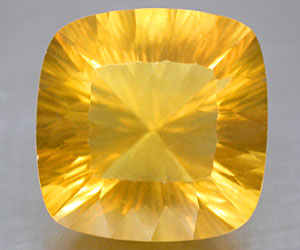
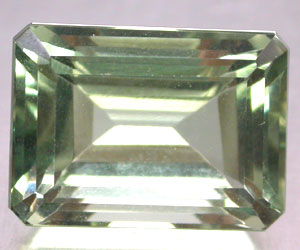
Green amethyst (prasiolite) is a confusing gemstone that is sold under different names and can easily be mistaken for other gemstone types.
Rainbow quartz (including mystic quartz, neptune quartz, tanzanite blue, lemon quartz, fuchsia quartz and coral quartz) is visually similar to mystic topaz and is produced using the same treatment method, diffusion.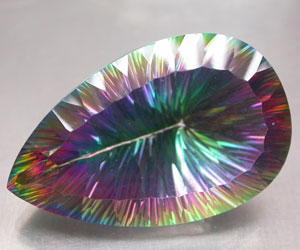
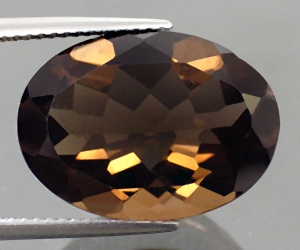
Smoky quartz is a transparent quartz that comes in a variety of shades, including cognac. Also known as champagne on ice, smoky quartz gets its rich warm colors from color centers related to aluminum.
Rose quartz is the pink variety of quartz. Rarely completely pure, rose quartz often displays a beautiful hazy appearance.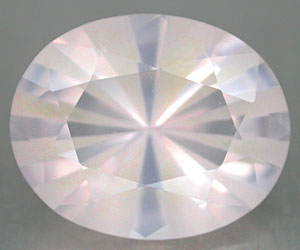
Rutile quartz (also known as rutilite, golden rutile quartz, venus' hair stone or cupid's arrows) is a beautiful gemstone produced by large strands of golden rutile needles in clear, colorless quartz.
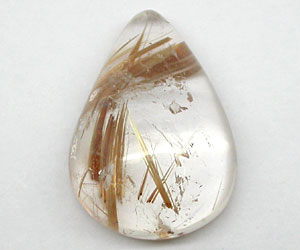
Tiger's eye is a type of quartz. They typically have a golden or copper color. Bluish Tiger's Eye is called Hawk's Eye.
Basic facts:
Origin: Australia, Bolivia, Brazil, India, Kenya, Madagascar, Mozambique, Russia, South Africa, Tanzania, Uruguay & Zambia
Colors: Various
Family: Quartz: SiO2
Hardness: 7
Refractive Index: 1.54 – 1.55
Specific Gravity: 2.65
Treatment: Some varieties are sometimes treated
The Greeks originally named quartz crystallosis, that is, ice, but this term was soon applied to all types of crystal. The modern name of quartz is derived from the Saxon word querklufterz, meaning "cross-vein ore."
Quartz is the most varied in terms of varieties, colors and shapes of gemstones. The gemstone quartz has been used in jewelry for thousands of years.
Myths and legends
Quartz crystals are universally used in meditation, as they are believed to have healing properties and other various metaphysical powers.
Folklorists classify quartz as a receptive gemstone credited with the ability to attract positive energies, such as peace and love. The energy quartz is said to have helps balance emotions, bringing inner peace, harmony and improving the bonds of relationships. It is also said to calm aggression and increase self-esteem.
Quartz facts
Quartz gemstones are usually divided into two groups based on the size of their individual crystals.
The macrocrystalline quartz (large crystal) group includes many popular gemstones such as amethyst, ametrine, citrine, green amethyst (prasiolite), rose quartz, rutile quartz, smoky quartz and Tiger's eye.
Cryptocrystalline quartz includes varieties whose individual crystals are too small to be easily distinguished such as chalcedony, agate, carnelian, sard, chrysoprase, heliotrope and jasper.
Amethyst is the queen of quartz varieties and in better grades is among the most sought after of the quartz stones.
Ametrine is a two-tone variety that is part amethyst and part citrine.
Citrine is a yellow variety of quartz that takes its name from citron, the French word for lemon.
Green amethyst (prasiolite) is a confusing gemstone that is sold under different names and can easily be mistaken for other gemstone types.
Rainbow quartz (including mystic quartz, neptune quartz, tanzanite blue, lemon quartz, fuchsia quartz and coral quartz) is visually similar to mystic topaz and is produced using the same treatment method, diffusion.
Smoky quartz is a transparent quartz that comes in a variety of shades, including cognac. Also known as champagne on ice, smoky quartz gets its rich warm colors from color centers related to aluminum.
Rose quartz is the pink variety of quartz. Rarely completely pure, rose quartz often displays a beautiful hazy appearance.
Rutile quartz (also known as rutilite, golden rutile quartz, venus' hair stone or cupid's arrows) is a beautiful gemstone produced by large strands of golden rutile needles in clear, colorless quartz.
Tiger's eye is a type of quartz. They typically have a golden or copper color. Bluish Tiger's Eye is called Hawk's Eye.