
Kyanite:
Basic facts:
Origin: Nepal & Brazil
Colors: Blue
Family: Kyanite
Hardness: 4 & 7
Refractive Index: 1.71 – 1.73
Specific Weight: 3.53 – 3.70
Treatment: Not treated
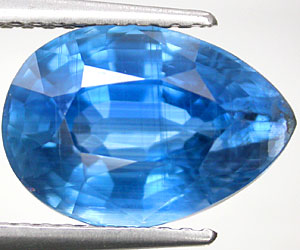
Also called disthene, the name kyanite is derived from the Greek kyanos, meaning blue. The most popular varieties display intensely beautiful colors reminiscent of the best Ceylon and Kashmir sapphires. Although the name kyanite has been used since 1789, kyanite was sold in Europe as sapphire until the turn of the 20th century.
Myths and legends
The powerful blue hues of kyanite have long inspired calm, loyalty and respect. Kyanite is used by alternative healers as a tool for meditation and relaxation. These healers use kyanite to open the third eye chakra to increase creativity, broaden vision and reach a better understanding of others. Kyanite is also said to promote calm and is believed to have a positive effect on dreams, visualization and foresight.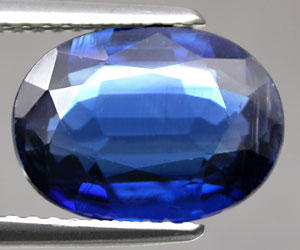
Kyanite facts
Kyanite has perfect cleavage in one direction. This combined with varying hardness (kyanite is extremely rare, showing two hardnesses within a gemstone) makes kyanite a challenging stone to cut. The very finest kyanite comes from the Kali Gandaki region in west-central Nepal. Nepalese kyanite is arguably the best ever found, displaying rich blue colors reminiscent of stunning sapphires.
Basic facts:
Origin: Nepal & Brazil
Colors: Blue
Family: Kyanite
Hardness: 4 & 7
Refractive Index: 1.71 – 1.73
Specific Weight: 3.53 – 3.70
Treatment: Not treated
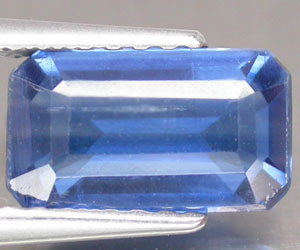
Also called disthene, the name kyanite is derived from the Greek kyanos, meaning blue. The most popular varieties display intensely beautiful colors reminiscent of the best Ceylon and Kashmir sapphires. Although the name kyanite has been used since 1789, kyanite was sold in Europe as sapphire until the turn of the 20th century.
Myths and legends
The powerful blue hues of kyanite have long inspired calm, loyalty and respect. Kyanite is used by alternative healers as a tool for meditation and relaxation. These healers use kyanite to open the third eye chakra to increase creativity, broaden vision and reach a better understanding of others. Kyanite is also said to promote calm and is believed to have a positive effect on dreams, visualization and foresight.
Kyanite facts
Kyanite has perfect cleavage in one direction. This combined with varying hardness (kyanite is extremely rare, showing two hardnesses within a gemstone) makes kyanite a challenging stone to cut. The very finest kyanite comes from the Kali Gandaki region in west-central Nepal. Nepalese kyanite is arguably the best ever found, displaying rich blue colors reminiscent of stunning sapphires.