
Spinel Information Guide
Hey there, gem enthusiasts! If you're diving into the world of spinel, you've picked a real winner. This underrated gemstone packs a punch with its vibrant colors, durability, and a history that's straight out of a treasure hunt story. In this guide, we'll chat about everything from what makes a spinel shine (hello, 4Cs!) to where it comes from, its mystical vibes, and even how to rock it in jewelry without breaking the bank—or the stone. Whether you're a collector, a jewelry lover, or just curious, let's get into it.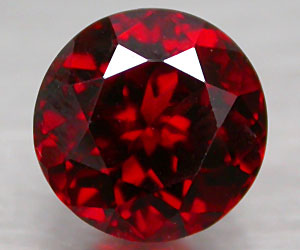
Summary
Spinel is a dazzling gemstone that's finally getting the spotlight it deserves, especially as an August birthstone. Known for its brilliant colors ranging from fiery red to cool blues and pinks, spinel offers great value compared to pricier gems like ruby. It's tough (scoring an 8 on the Mohs scale), versatile for jewelry, and has a rich history of being mistaken for other precious stones. This guide covers the essentials: the 4Cs, origins, history, value, pricing, rarity, birthstone status, healing properties, jewelry tips, and care instructions. Plus, we'll compare red spinel to its red gem rivals and wrap up with FAQs to answer your burning questions.
Table of Contents
- The 4Cs of Spinel
- Origins of Spinel
- History of Spinel
- Value and Rarity of Spinel
- Price Guide for Spinel
- Spinel as a Birthstone
- Healing Powers and Metaphysical Properties
- Jewelry Tips for Spinel
- How to Care for Your Spinel
- Comparing Red Spinel with Other Red Gemstones
- FAQs
The 4Cs of Spinel
Alright, let's break down what makes a spinel top-notch using the classic 4Cs: Color, Clarity, Cut, and Carat. These are your go-to factors when shopping for any gem, and spinel plays by the same rules.
- Color: This is the star of the show for spinel. It comes in a rainbow of hues—red, pink, blue, purple, orange, and even black—but the most prized are those vivid reds and blues. A saturated, even color without brown or gray undertones bumps up the value big time. Think of it like picking the ripest strawberry; you want that pure, intense pop.
- Clarity: Spinels are usually pretty clean, meaning fewer inclusions (those tiny flaws inside). Eye-clean stones—ones that look flawless to the naked eye—are common and affordable. If there are inclusions, they shouldn't mess with the sparkle.
- Cut: A well-cut spinel maximizes its brilliance because it's got a high refractive index (fancy talk for how much it bends light). Cushion, oval, and round cuts are popular as they show off the fire. Poor cuts can make even a great color look dull, so always check for symmetry and polish.
- Carat: Size matters, but not as much as quality. Spinels over 5 carats are rarer in top colors, so they cost more per carat. Smaller ones are plentiful and budget-friendly.
Master these, and you'll spot a gem-quality spinel from a mile away.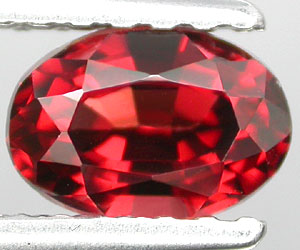
Origins of Spinel
Spinel pops up in some pretty exotic spots around the globe. The best stuff often comes from Myanmar (Burma), where those famous blood-red spinels are mined. Sri Lanka's got a long history of producing beautiful pinks and blues, while Tanzania and Vietnam are newer hotspots for vibrant colors. Other places like Afghanistan, Pakistan, and even parts of Africa chip in too. It's formed in metamorphic rocks or as a byproduct of marble, which is why it's often found alongside rubies and sapphires. Cool fact: The mining is mostly small-scale, so each stone feels unique.
History of Spinel
Spinel's got a backstory that's equal parts glamorous and sneaky. For centuries, people mistook it for ruby—heck, the "Black Prince's Ruby" in the British Crown Jewels is actually a massive spinel! It wasn't until the 18th century that gemologists figured out it was its own thing. Back in ancient times, it was traded along the Silk Road, adorning royalty from Persia to Europe. The name "spinel" might come from the Latin "spinella," meaning little thorn, due to its pointy crystals. Fast forward to today, and it's celebrated for its own merits, especially after being named an August birthstone in 2016.
Value and Rarity of Spinel
What makes spinel valuable? It's all about that combo of beauty, durability, and scarcity in top qualities. Fine red and blue spinels are the rarest and most sought-after, but overall, spinel isn't as rare as diamonds or emeralds. That said, untreated, high-clarity stones over a few carats can be hard to find. Its value has been climbing as more people discover it's a ruby lookalike without the ruby price tag. Rarity-wise, the best reds from Myanmar are getting scarcer due to mining restrictions, pushing up demand.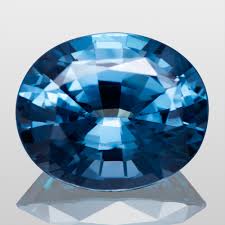
Price Guide for Spinel
Prices for spinel vary wildly based on color, size, and quality, but it's generally a steal compared to similar gems. As of 2025, expect to pay $200–$1,000 per carat for decent colored spinels, while top-tier reds or blues can hit $5,000–$10,000 per carat or more for larger stones. Pinks and oranges are more affordable, around $300–$2,000. Always buy from reputable dealers to avoid synthetics. Pro tip: Untreated natural spinels hold better value over time.
Spinel as a Birthstone
If you're an August baby, congrats—spinel is your modern birthstone buddy, sharing the spot with peridot. Added by the American Gem Society in 2016, it's perfect for those who want something bold and fiery. Red spinel symbolizes passion and energy, making it a meaningful gift for birthdays or anniversaries. It's a fresh alternative to the usual green peridot vibe.
Healing Powers and Metaphysical Properties
On the woo-woo side, spinel is all about revitalization and positive vibes. It's said to boost energy, clear away negativity, and help with emotional healing—think of it as a crystal pick-me-up. Red spinel amps up passion and confidence, while black ones ground you and protect against stress. In chakra terms, it aligns with the root and heart. Of course, this is more spiritual than scientific, but many folks swear by wearing it for that extra oomph in life.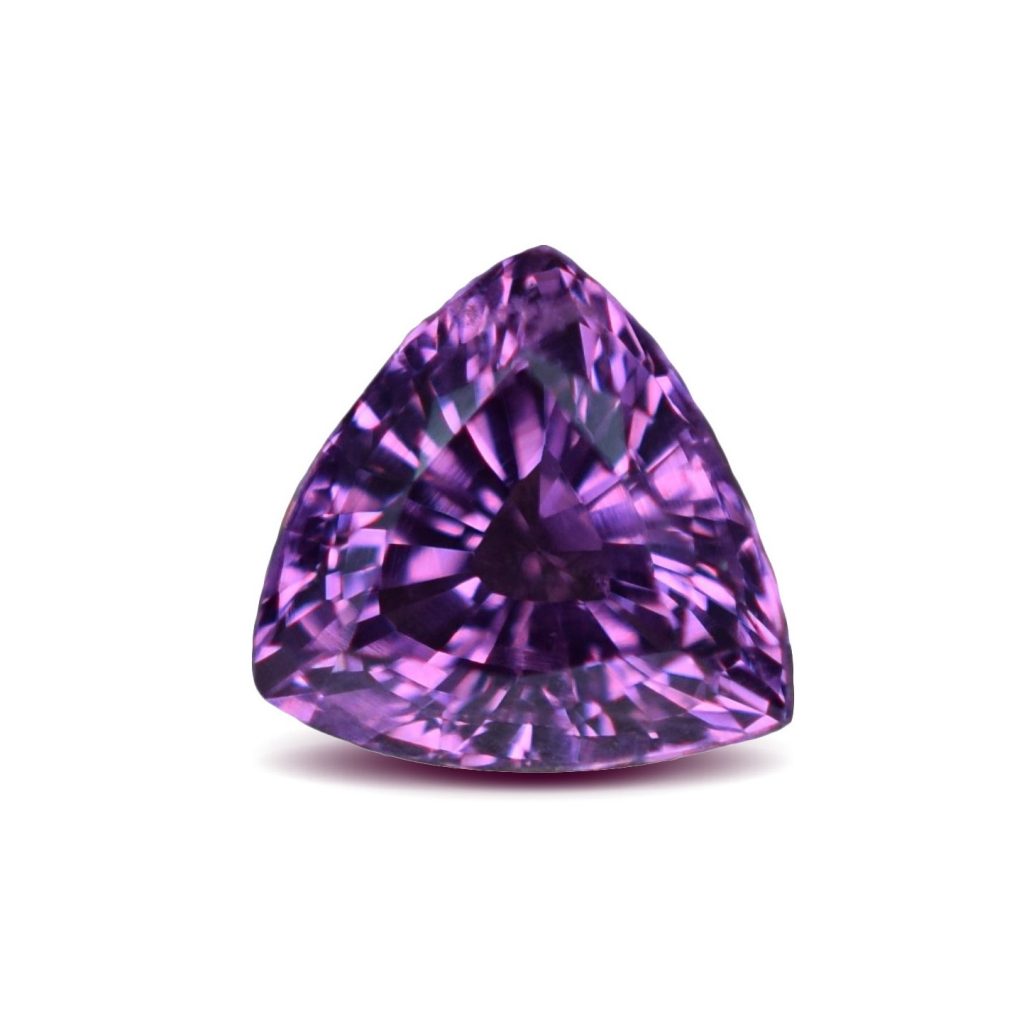
Jewelry Tips for Spinel
Spinel is a jewelry superstar because it's hard enough for everyday wear—rings, earrings, pendants, you name it. Pair a red spinel with gold for a classic look, or mix blues with silver for something modern. For engagement rings, it's a budget-friendly ruby sub that's just as sparkly. Tip: Go for bezel settings to protect the edges, especially in rings. And don't be afraid to stack it with other gems; it plays well with diamonds or sapphires.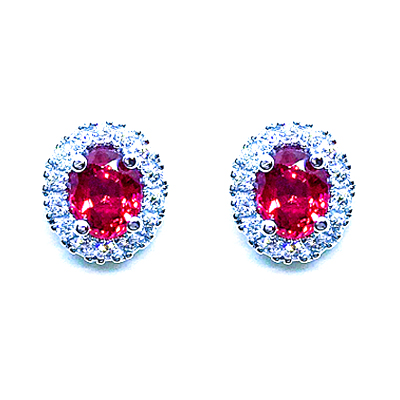
How to Care for Your Spinel
Keeping your spinel looking fab is easy-peasy. With a hardness of 8, it's tough, but avoid knocking it around. Clean with warm soapy water and a soft brush—ultrasonic cleaners are usually fine, but skip steam if it's included. Store it separately to prevent scratches from harder gems like diamonds. If it's in jewelry, get it checked by a pro every year or so. Simple stuff, and it'll last generations.
Comparing Red Spinel with Other Red Gemstones
Red spinel often gets compared to its crimson cousins, and for good reason—they can look similar but have key differences. Here's a handy table to break it down:
| Gemstone | Hardness (Mohs) | Color Range | Average Price per Carat (2025) | Durability | Key Notes |
|---|---|---|---|---|---|
| Red Spinel | 8 | Vivid red to pinkish red | $500–$10,000+ | Excellent, suitable for daily wear | Brilliant sparkle, often mistaken for ruby; more affordable. |
| Ruby | 9 | Pigeon blood red to purplish red | $1,000–$100,000+ | Outstanding, very tough | Most valuable red gem; rarer in large sizes. |
| Red Garnet (e.g., Pyrope) | 6.5–7.5 | Deep red to brownish red | $20–$500 | Good, but softer; avoid heavy wear | Affordable and abundant; great for beginners. |
| Red Tourmaline (Rubellite) | 7–7.5 | Pinkish red to deep red | $100–$1,000 | Good, but can be brittle | Pleochroic (color changes with angle); vibrant but inclusions common. |
As you can see, red spinel holds its own with great durability and value, making it a smart pick if you love that ruby glow without the premium price.
FAQs
Q: Is spinel rarer than ruby?
A: Not overall, but top-quality red spinels can be just as scarce as fine rubies, especially from prime sources like Myanmar.
Q: Can spinel be worn every day?
A: Absolutely! Its hardness makes it ring-ready, but like any gem, treat it with care.
Q: What's the best color for spinel?
A: It depends on your taste, but red and blue are the MVPs for value and wow factor.
Q: Are there synthetic spinels?
A: Yep, they're common and cheap. Always ask for certification to ensure it's natural.
Q: Does spinel have any famous pieces?
A: You bet—the Imperial State Crown has the "Black Prince's Ruby," which is actually a spinel!
Q: How do I tell spinel apart from ruby?
A: Pros use tools like refractometers, but spinel often has a single refraction vs. ruby's double. Get it appraised if unsure.
There you have it—a full scoop on spinel. If you've got more questions, hit me up!