
Topaz Information Guide: Your Friendly Dive into This Sparkling Gem
Hey there! If you're like me and love gems that pack a punch of color and sparkle without breaking the bank, topaz is your new best friend. This guide is all about chatting through everything topaz – from its dazzling varieties to how to rock it in jewelry. Let's jump in!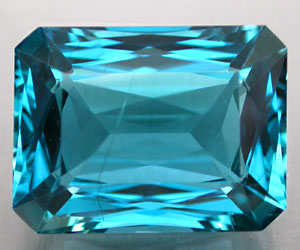
Table of Contents
- Summary
- The 4Cs of Topaz
- Origin of Topaz
- History of Topaz
- Value and Price of Topaz
- Rarity of Topaz
- Topaz as a Birthstone
- Healing Powers of Topaz
- Jewelry Tips for Topaz
- Care for Topaz
- Different Colors and Types of Topaz
- Comparing Topaz with Other Gemstones
- FAQs
Summary
Topaz is that versatile gem that's been turning heads for centuries with its rainbow of colors, from icy blues to fiery oranges. It's not just pretty – it's tough (scoring an 8 on the Mohs hardness scale), affordable for most budgets, and even carries some cool mystical vibes like boosting strength and clarity. Whether you're eyeing it as a November birthstone or just want a pop of color in your jewelry box, topaz offers something for everyone. In this guide, we'll cover the essentials like the 4Cs, where it comes from, its history, and tips to keep it shining. Plus, we'll compare it to other gems and answer those burning questions. Ready to get gem-savvy?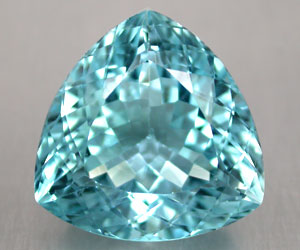
The 4Cs of Topaz
Alright, let's start with the basics – the 4Cs: color, clarity, cut, and carat. These are like the report card for any gem, and topaz is no exception.
Color is king here. Topaz comes in a bunch of shades, but the value spikes with intense, saturated hues like pink or imperial orange. Clarity? Topaz is usually eye-clean, meaning no visible inclusions to the naked eye, which is a win for sparkle lovers. Cut matters big time – a well-cut topaz maximizes that fire and brilliance, often in facets that catch the light just right. And carat? Bigger isn't always better; it's about balance with the other Cs, but larger stones can command higher prices if the quality's top-notch. Think of it like picking a diamond, but way more colorful and fun!
Origin of Topaz
Topaz pops up in some pretty exotic spots around the globe. Brazil is the big player, churning out tons of blue and imperial varieties from its pegmatite deposits. Then there's Pakistan for those rare pink and red ones, Russia for yellows, and even the US (hello, Utah and Texas) for some homegrown gems. It's formed in igneous rocks and lava flows, often alongside quartz and fluorite. If you're into ethical sourcing, look for mines that prioritize sustainability – topaz mining can be eco-friendly when done right.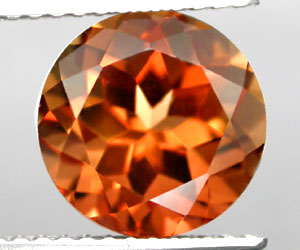
History of Topaz
Topaz has a backstory that's as rich as its colors. The name might come from the Greek island Topazios (now Zabargad) or the Sanskrit word "tapas" meaning fire – fitting for those warm-toned stones! Ancient Egyptians and Romans loved it for protection amulets, believing it warded off evil and brought strength. In the Middle Ages, it was all about healing and enlightenment. Fast forward to today, and it's still a fave, especially after treatments made blue topaz super popular in the 20th century. It's got that timeless appeal, you know?
Value and Price of Topaz
What makes topaz tick in the value department? It's all about rarity and color. Common blue topaz? Super affordable, around $20-40 per carat for treated stones. But jump to imperial topaz with that peachy-orange glow, and you're looking at $100-1,000+ per carat, especially for untreated pieces. Pink and red? Even pricier, up to thousands. Factors like size, clarity, and origin play in too. Overall, topaz gives great bang for your buck compared to sapphires or diamonds – you can snag a stunning piece without selling a kidney!
Rarity of Topaz
Topaz isn't super rare overall – colorless and blue varieties are plentiful thanks to treatments. But natural pinks, reds, and imperials? Those are the unicorns, mostly from specific mines in Brazil or Pakistan. Yellows and oranges can be common, but the vivid ones are scarcer. If you're hunting for something unique, go for untreated naturals – they're harder to find and hold more value over time.
Topaz as a Birthstone
If you were born in November, topaz is your spirit gem (sharing the spotlight with citrine). It symbolizes friendship, strength, and intelligence – perfect for Scorpios and Sagittarians. Blue topaz is the go-to for December vibes too in some lists, but traditionally, it's all about that warm yellow for November. Gifting topaz jewelry for a November birthday? It's thoughtful and sparkly – win-win!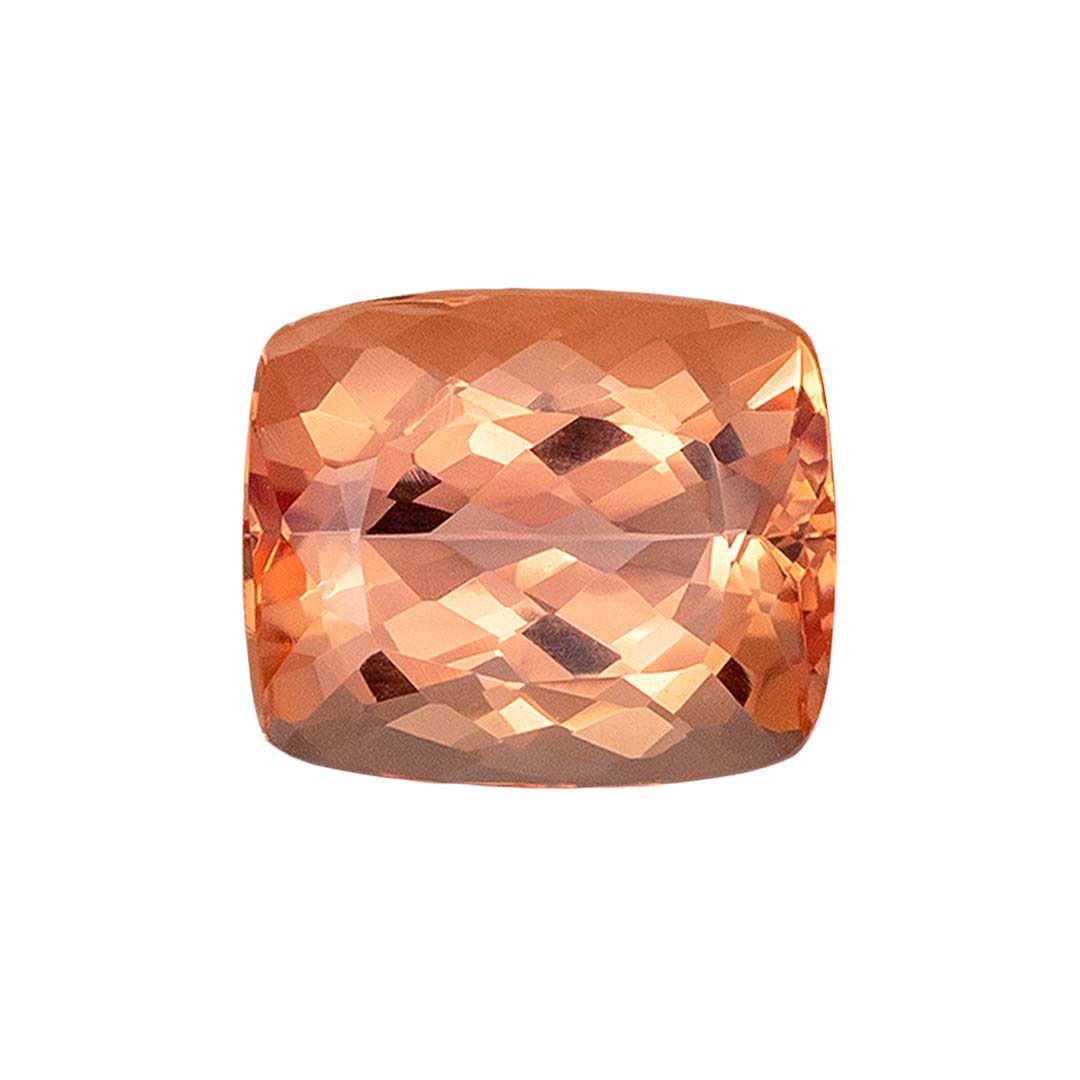
Healing Powers of Topaz
Okay, let's get a bit woo-woo. Topaz has been touted for its healing mojo since ancient times. It's said to boost energy, calm the mind, and aid digestion – think of it as a natural chill pill. Blue varieties promote communication and throat chakra vibes, while yellow ones fire up creativity and confidence. Crystal healers love it for manifestation and protection against negativity. Science might not back it all, but hey, if wearing it makes you feel empowered, why not?
Jewelry Tips for Topaz
Topaz is a jewelry superstar – it's hard enough for everyday wear but shines in special pieces. Pair blue topaz with silver for a cool, ocean-inspired look, or imperial with gold for that luxurious warmth. Rings, earrings, pendants – it does it all. Tip: For engagement rings, it's a budget-friendly alternative to sapphire, especially in cushion or oval cuts. Mix it with diamonds for extra bling, or keep it solo for a pop of color. Just ensure the setting protects it from knocks!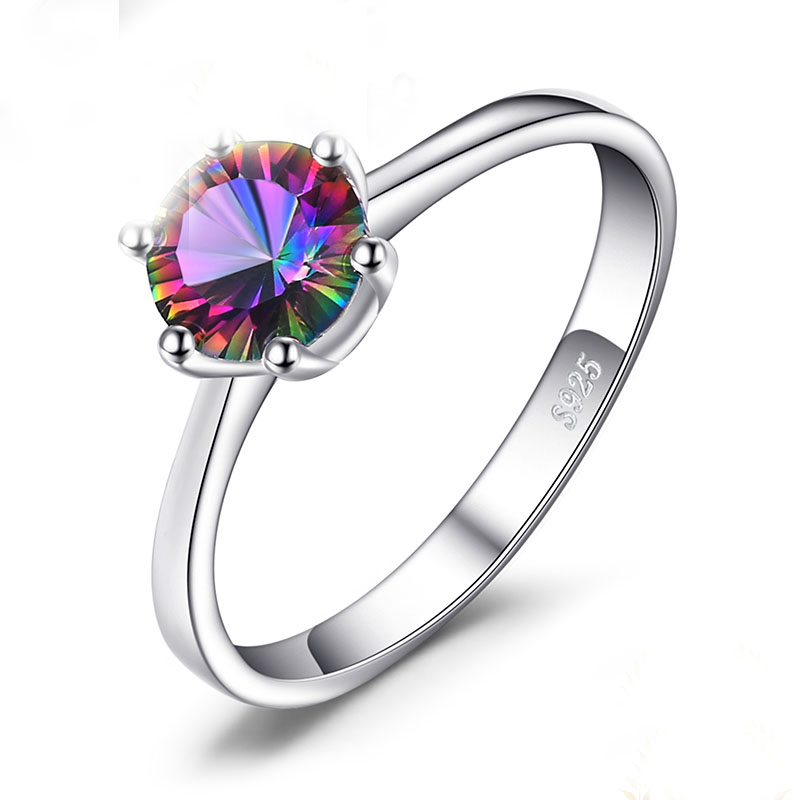
Care for Topaz
Keeping your topaz happy is easy-peasy. Clean it with warm soapy water and a soft brush – no harsh chemicals or ultrasonics, as heat can fade treated colors. Store it away from harder gems like diamonds to avoid scratches. Avoid extreme temps or prolonged sun exposure. With a little TLC, it'll stay brilliant for generations.
Different Colors and Types of Topaz
Topaz's color palette is what makes it so fun! Here's the rundown:
- Sky Blue Topaz: Light, pastel blue – like a clear summer sky. Affordable and natural-ish (often lightly treated).
- Swiss Blue Topaz: Vibrant, electric medium blue – think tropical waters. Popular for its boldness.
- London Blue Topaz: Deep, steely blue with a hint of green – moody and sophisticated.
- Imperial Topaz: Golden-orange to pinkish-red – the royalty of topaz, rare and valuable.
- Mystic Topaz: Colorless base with a rainbow coating – iridescent and fun, but man-made.
- Pink Topaz: Soft to vivid pink – super rare naturally, often heat-treated yellows.
- White Topaz: Colorless and sparkly – a great diamond dupe on a budget.
Each has its vibe, so pick based on your style!
Comparing Topaz with Other Gemstones
Wondering how topaz stacks up? Here's a handy table comparing it to some popular gems on key factors like hardness, price, and common uses.
| Gemstone | Hardness (Mohs) | Average Price per Carat | Common Colors | Rarity | Best For |
|---|---|---|---|---|---|
| Topaz | 8 | $20-1,000+ (varies by type) | Blue, yellow, pink, orange | Common (blue), rare (imperial) | Everyday jewelry, birthstones |
| Sapphire | 9 | $500-5,000+ | Blue, pink, yellow | Moderate to rare | Engagement rings, heirlooms |
| Aquamarine | 7.5-8 | $100-1,000 | Light blue | Moderate | Springy, calming pieces |
| Diamond | 10 | $1,000-10,000+ | Colorless | Rare | Ultimate durability, sparkle |
| Quartz | 7 | $5-50 | Clear, various | Abundant | Affordable alternatives |
| Citrine | 7 | $10-100 | Yellow-orange | Common | Warm, sunny vibes |
Topaz holds its own with great sparkle and affordability, but it's softer than sapphire or diamond, so it's not as scratch-proof.
FAQs
Got questions? I've got answers! Here are some common ones about topaz.
Is topaz a real gemstone?
Absolutely! It's a natural mineral, though many blues are treated for color. Always ask for disclosure.
What's the difference between sky, Swiss, and London blue topaz?
It's all about shade: sky is light, Swiss is bright medium, and London is deep and inky.
Can topaz change color?
Treated ones might fade in intense heat or light, but naturals are stable. Mystic topaz has that rainbow shift from its coating.
Is topaz good for daily wear?
Yes, its hardness makes it suitable, but protect it from hard knocks – no gym sessions with rings on!
How do I know if my topaz is real?
Get it appraised or check for inclusions under magnification. Fakes like glass won't have the same refractive index.
What's the most valuable type of topaz?
Imperial, hands down – those reddish-oranges are prized for their rarity and fire.
There you have it – your go-to guide on topaz. If this sparked your interest, why not hunt for a piece? It's a gem that'll brighten any day!