
Mohs Scale: Your Guide to Mineral Hardness
Hey there! If you've ever wondered why some rocks scratch easier than others or why your diamond ring seems indestructible, you're in the right place. We're diving into the Mohs Scale, that nifty little tool that's been helping folks understand mineral toughness for over two centuries. Let's get started!
Table of Contents
- Summary
- History of the Mohs Scale
- What is the Mohs Scale?
- How the Mohs Scale Works
- Applications of the Mohs Scale
- Mohs Scale and Gemstones
- Comparison of Top 10 Most Common Gemstones
- FAQs
Summary
Picture this: a simple scale from 1 to 10 that tells you how tough a mineral is against scratches. That's the Mohs Scale in a nutshell. Invented back in the early 1800s, it's still a go-to for geologists, jewelers, and anyone who loves shiny rocks. We'll cover its backstory, how it ticks, real-world uses, and especially how it plays into gemstones – including a handy table of the top 10 popular ones. By the end, you'll know why your everyday jewelry choices matter more than you think!
History of the Mohs Scale
Alright, let's rewind a bit. Back in 1812, a German guy named Friedrich Mohs – yeah, he's the namesake – was tinkering with minerals as a geologist and mineralogist. He noticed that some minerals could scratch others, but not vice versa. So, he came up with this relative ranking system using 10 common minerals as benchmarks. It wasn't the first attempt at measuring hardness, but it was simple and practical, which is why it stuck around. Over the years, it's become a staple in fields like mining and jewelry, evolving from a field tool to something we reference in everyday gem shopping. Pretty cool how one idea from over 200 years ago still rocks our world, huh?
What is the Mohs Scale?
So, what exactly is this scale? It's basically a way to rank minerals based on their hardness, meaning how resistant they are to being scratched. It goes from 1 (super soft, like talc that feels like baby powder) all the way to 10 (diamond, the ultimate tough guy). Each number represents a mineral that can scratch the ones below it but gets scratched by those above. It's not perfect – it's relative, not absolute – but it's quick and easy for identifying stuff in the wild.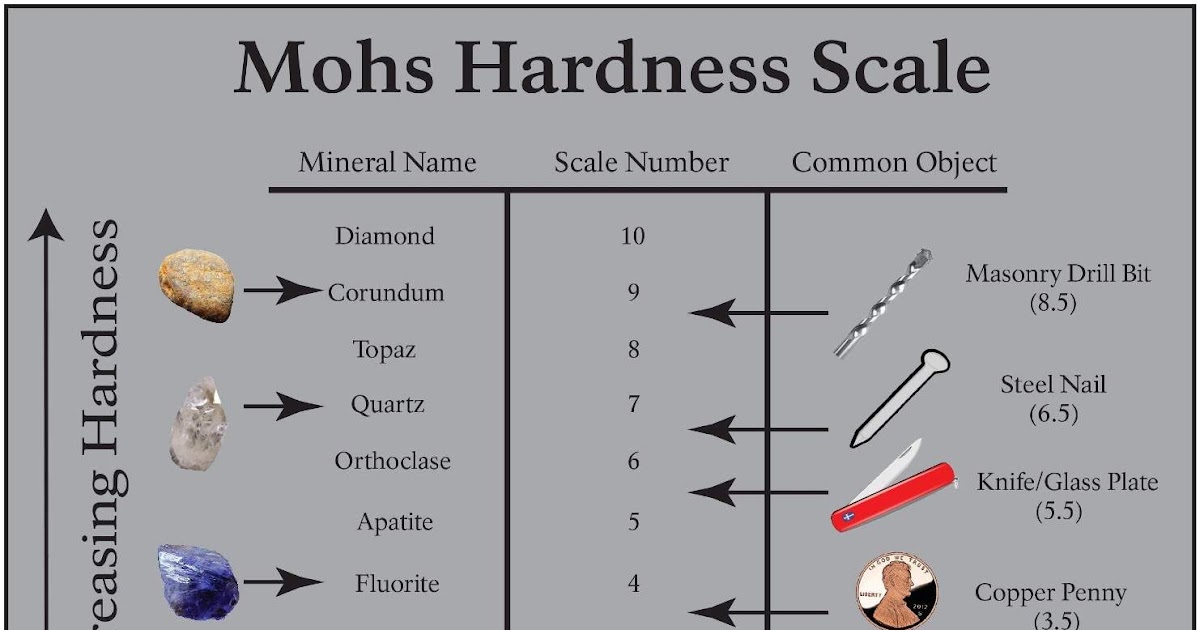
How the Mohs Scale Works
Here's the fun part: testing it out. You take two minerals and try to scratch one with the other. If Mineral A scratches Mineral B, A is harder. The scale uses reference points like:
- 1: Talc (scratched by a fingernail)
- 2: Gypsum (think drywall)
- 3: Calcite
- 4: Fluorite
- 5: Apatite
- 6: Feldspar (like in granite)
- 7: Quartz (super common in sand)
- 8: Topaz
- 9: Corundum (ruby and sapphire's base)
- 10: Diamond
Some materials fall in between, like your fingernail at about 2.5 or glass at 5.5. It's not linear – the jump from 9 to 10 is huge! – but it's great for quick checks without fancy equipment.
Applications of the Mohs Scale
Now, where does this come in handy? In geology, it's perfect for field identification – scratch a rock with your pocket knife (around 5.5) and see what happens. In industry, it helps pick materials for tools or abrasives; for example, diamonds cut everything else. Jewelers use it to advise on durable gems for rings versus softer ones for pendants. Even in everyday life, it explains why your phone screen (around 6) scratches from sand but not from plastic. It's versatile, from mining to makeup (talc in powders, remember?).
Mohs Scale and Gemstones
Gemstones are where the Mohs Scale really shines – pun intended! Hardness affects how well a gem holds up to daily wear. A high Mohs rating means it's less likely to scratch or chip, making it ideal for engagement rings or heirlooms. For instance, diamonds at 10 are unbeatable for sparkle and toughness, while softer ones like opal (5.5-6.5) need more care. When picking jewelry, think about your lifestyle: active folks might want 7+ for rings. It's all about balancing beauty with practicality.
Comparison of Top 10 Most Common Gemstones
Let's compare some crowd favorites. I've pulled together the top 10 popular gemstones, focusing on their Mohs hardness, typical colors, and common uses. This table sorts them by hardness descending – handy for seeing what's toughest!
| Gemstone | Mohs Hardness | Typical Colors | Common Uses |
|---|---|---|---|
| Diamond | 10 | Colorless, yellow, pink | Engagement rings, jewelry |
| Ruby | 9 | Red | Rings, necklaces |
| Sapphire | 9 | Blue, pink, yellow | Rings, earrings |
| Topaz | 8 | Blue, yellow, colorless | Pendants, rings |
| Emerald | 7.5-8 | Green | Rings, earrings |
| Aquamarine | 7.5-8 | Blue-green | Necklaces, bracelets |
| Amethyst | 7 | Purple | All types of jewelry |
| Tanzanite | 6.5-7 | Blue-violet | Earrings, pendants |
| Garnet | 6.5-7.5 | Red, green, orange | Rings, necklaces |
| Opal | 5.5-6.5 | Multicolor, white | Pendants, earrings |
See how the top ones are super durable? That's why diamonds, rubies, and sapphires are jewelry staples.
FAQs
Q: Is the Mohs Scale the only way to measure hardness?
A: Nope! There are fancier ones like Vickers or Rockwell for precise industrial stuff, but Mohs is the simplest for minerals.
Q: Can I test my own gems at home?
A: Sure, but be gentle! Use known hardness items like a penny (3) or glass (5.5). If you're unsure, take it to a pro to avoid damage.
Q: Why do some gemstones have a range on the scale?
A: Because they're not uniform – impurities or crystal structure can vary the hardness slightly.
Q: What's the softest gem I should avoid for daily wear?
A: Anything below 7, like opal or pearl (2.5-4.5), might scratch easily. Save them for special occasions.
Q: Has the Mohs Scale changed over time?
A: Not really – the core 10 minerals are the same, but we've added intermediates for more accuracy.
There you have it! The Mohs Scale demystified. If you're shopping for gems or just curious about the rocks under your feet, this scale is your best buddy. Got more questions? Hit me up!