
Gold jewelry buying guide:
Gold was long considered the most precious metal and is deeply woven into the very fabric of human culture. It captures our imagination and has inspired many legends and myths throughout history. Gold has been valued, hoarded, coveted and lavishly bestowed upon people, temples and objects of worship. Responsible for creating global currencies, starting wars, toppling empires, and more, gold has helped shape human history.
Gold purity
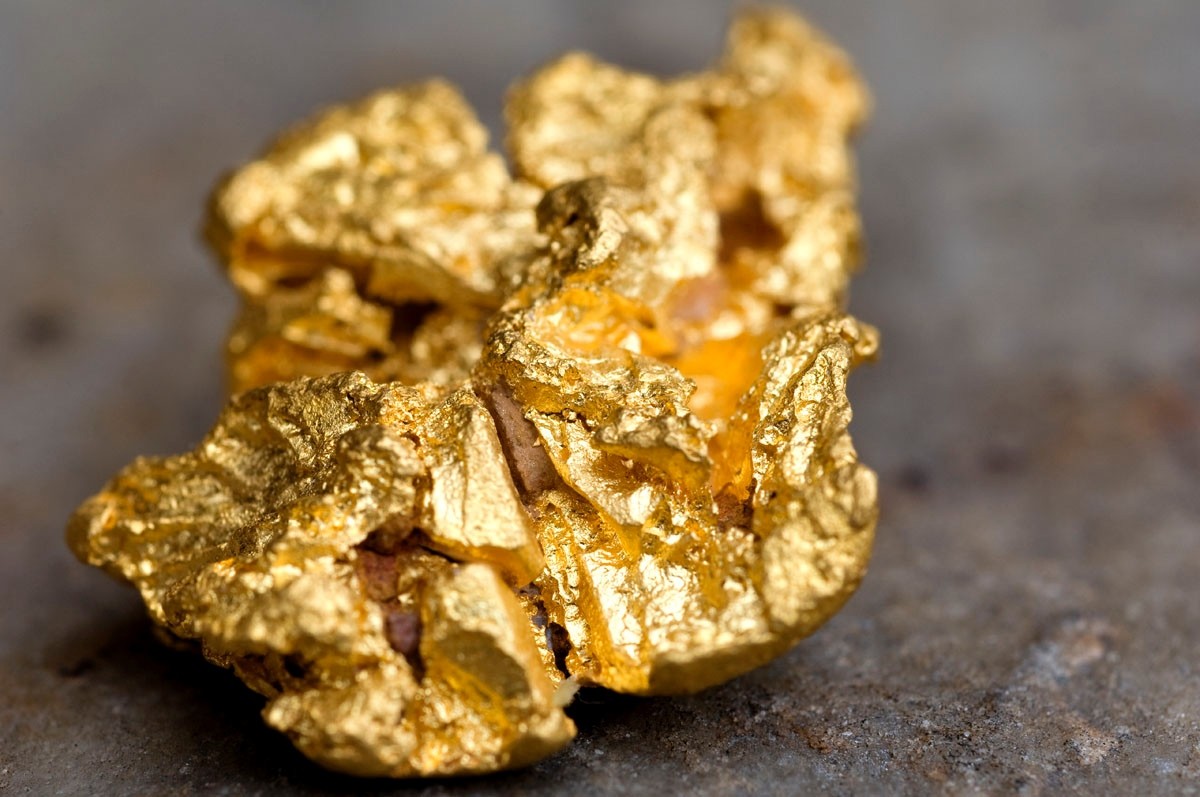
Pure gold is relatively soft and as a consequence has durability problems. Jewelry can be bent and expensive gemstones can be lost from their settings. This problem has given rise to the modern gold we find in jewelers windows today. Virtually all gold in jewelry today is alloyed with secondary metals that increase its daily durability. These gold alloys are so common that many people find the color of pure gold strange. But not all gold purity is the same. The different purities of gold alloys used by jewelers give consumers different options when it comes to gold color, price and durability.
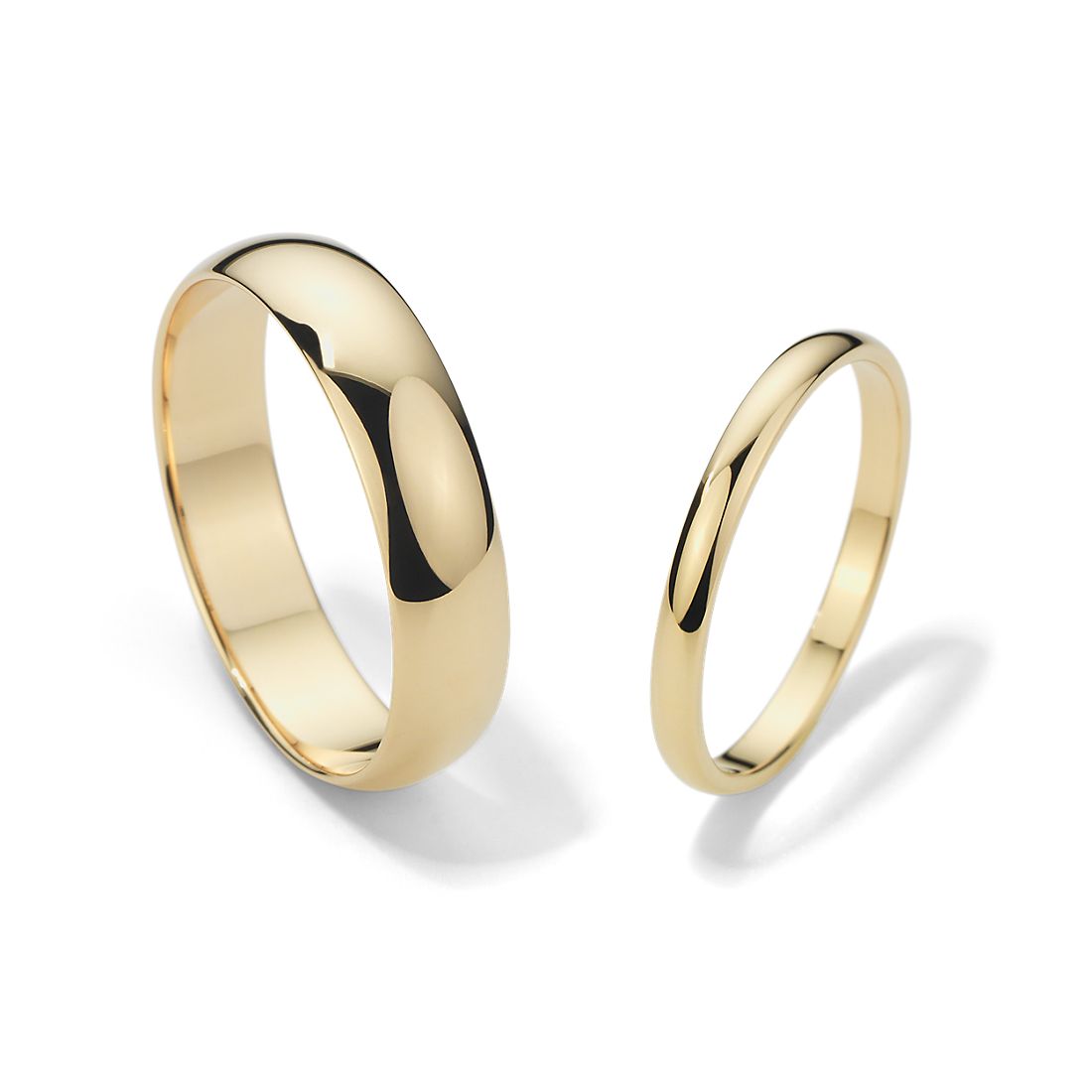
Gold purity is measured in carats. While the term carat may sound identical to carat, which is used to measure weight in gemstones, the two terms do not have the same meaning. The karat ratio in gold tells you the percentage or proportion of gold purity. Gold with a higher carat ratio is relatively more expensive gram for gram compared to gold with lower carat ratios. Expressed as a ratio of 24 parts, the most common gold purities are:
22 carat: 91.6% pure gold
18 carat: 75.0% pure gold
14 carat: 58.5% pure gold
10 carat: 41.7% pure gold
Gold pricing
Raw, unprocessed gold pricing is based on the carat ratio and gold weight. For jewelry, we also need to consider additional factors. Diamonds and precious stones must be considered, as well as design techniques/work that can make a piece of jewelry more durable, more ornate, or unique. Different types of settings/designs can add to the price of a finished piece of jewelry.
Gold sources
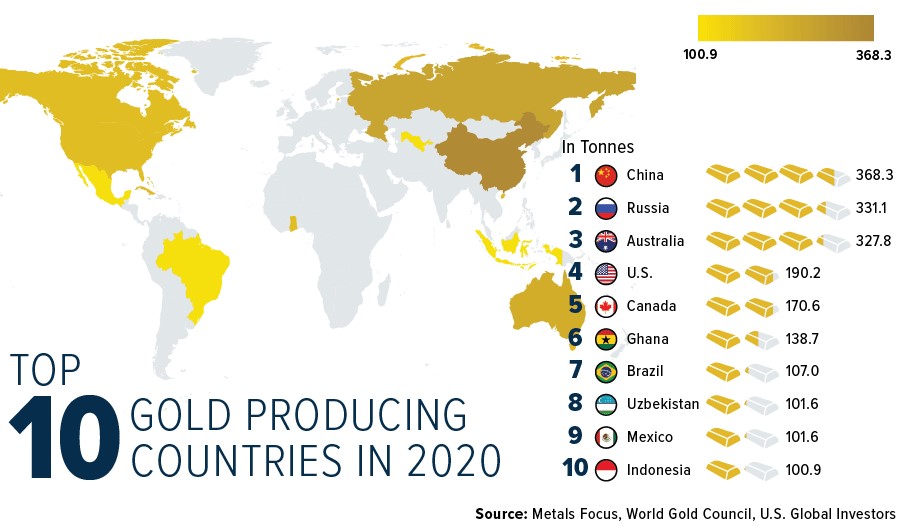
Gold is mined in several countries around the world, but in terms of production, the most important sources are South Africa, USA, Australia, Canada, China, Russia, Peru and Indonesia.
Gold as an investment
Due to the popularity of gold, it has been used to both purchase goods and exchange programs for thousands of years. Until the beginning of the 20th century, gold reserves formed the basis of the international monetary system. Even today, a large part of the world's gold is held in public reserves. When you buy gold jewelry, although you are not guaranteed that you will ever make a profit on your acquisition, you are sure that you have received something with intrinsic value.
Gold colors
Gold comes in a number of different colors offering consumers a wide choice when purchasing this shiny precious metal:
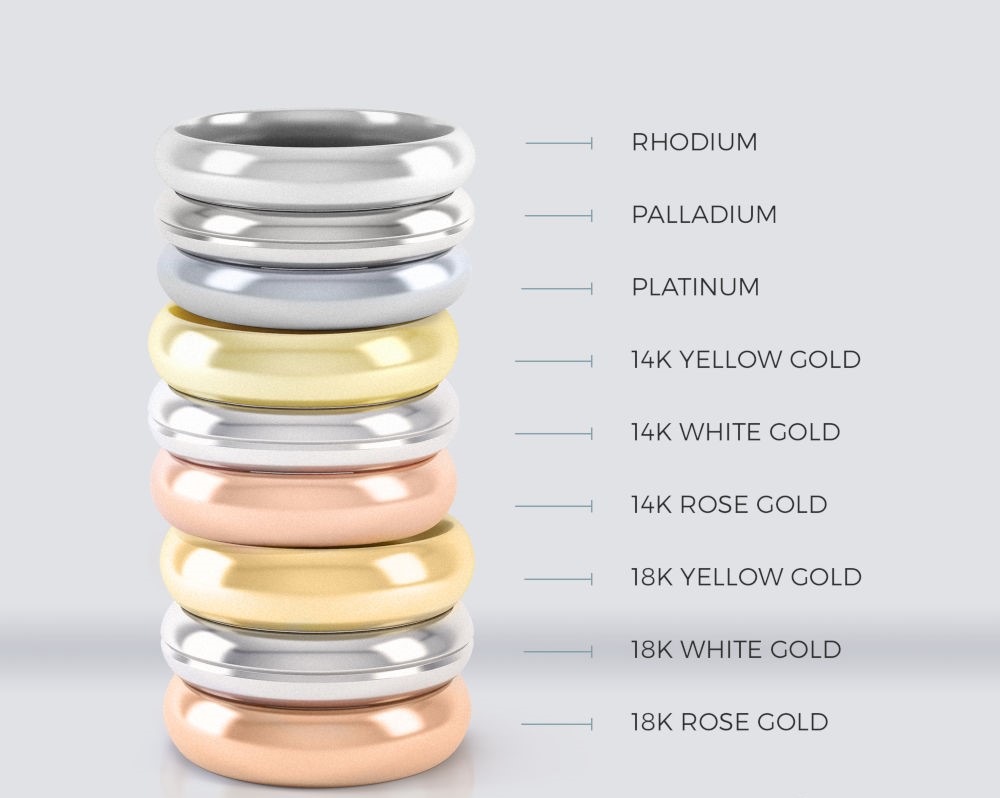
Yellow gold: Shows a timeless color, this is the most common type of gold. It is alloyed with silver and copper.
White gold: White gold can be alloyed white (ie pure gold is yellow) with silver, palladium or nickel. Most white gold jewelry is also rhodium plated. Rhodium is the most expensive platinum group precious metal (about three times more expensive than platinum) and provides a hard, brilliant finish unmatched by any other metal.
Rose gold: alloyed with copper, this increasingly popular gold type has a striking pink rose color.
When buying gold jewelry, make sure that there are no visible blemishes or defects on the jewelry. Check that the claws or other fasteners work and are secure.
Remember! When you buy a piece of gold jewelry, always look for the mark 10k, 14k, 18k or 22k, this is proof that the gold you are buying is real (note that the cat's foot stamp is not used internationally) and not gold imitations or plating (only a thin layer of gold over another type of metal).
Gold was long considered the most precious metal and is deeply woven into the very fabric of human culture. It captures our imagination and has inspired many legends and myths throughout history. Gold has been valued, hoarded, coveted and lavishly bestowed upon people, temples and objects of worship. Responsible for creating global currencies, starting wars, toppling empires, and more, gold has helped shape human history.
Gold purity
Pure gold is relatively soft and as a consequence has durability problems. Jewelry can be bent and expensive gemstones can be lost from their settings. This problem has given rise to the modern gold we find in jewelers windows today. Virtually all gold in jewelry today is alloyed with secondary metals that increase its daily durability. These gold alloys are so common that many people find the color of pure gold strange. But not all gold purity is the same. The different purities of gold alloys used by jewelers give consumers different options when it comes to gold color, price and durability.
Gold purity is measured in carats. While the term carat may sound identical to carat, which is used to measure weight in gemstones, the two terms do not have the same meaning. The karat ratio in gold tells you the percentage or proportion of gold purity. Gold with a higher carat ratio is relatively more expensive gram for gram compared to gold with lower carat ratios. Expressed as a ratio of 24 parts, the most common gold purities are:
22 carat: 91.6% pure gold
18 carat: 75.0% pure gold
14 carat: 58.5% pure gold
10 carat: 41.7% pure gold
Gold pricing
Raw, unprocessed gold pricing is based on the carat ratio and gold weight. For jewelry, we also need to consider additional factors. Diamonds and precious stones must be considered, as well as design techniques/work that can make a piece of jewelry more durable, more ornate, or unique. Different types of settings/designs can add to the price of a finished piece of jewelry.
Gold sources
Gold is mined in several countries around the world, but in terms of production, the most important sources are South Africa, USA, Australia, Canada, China, Russia, Peru and Indonesia.
Gold as an investment
Due to the popularity of gold, it has been used to both purchase goods and exchange programs for thousands of years. Until the beginning of the 20th century, gold reserves formed the basis of the international monetary system. Even today, a large part of the world's gold is held in public reserves. When you buy gold jewelry, although you are not guaranteed that you will ever make a profit on your acquisition, you are sure that you have received something with intrinsic value.
Gold colors
Gold comes in a number of different colors offering consumers a wide choice when purchasing this shiny precious metal:
Yellow gold: Shows a timeless color, this is the most common type of gold. It is alloyed with silver and copper.
White gold: White gold can be alloyed white (ie pure gold is yellow) with silver, palladium or nickel. Most white gold jewelry is also rhodium plated. Rhodium is the most expensive platinum group precious metal (about three times more expensive than platinum) and provides a hard, brilliant finish unmatched by any other metal.
Rose gold: alloyed with copper, this increasingly popular gold type has a striking pink rose color.
When buying gold jewelry, make sure that there are no visible blemishes or defects on the jewelry. Check that the claws or other fasteners work and are secure.
Remember! When you buy a piece of gold jewelry, always look for the mark 10k, 14k, 18k or 22k, this is proof that the gold you are buying is real (note that the cat's foot stamp is not used internationally) and not gold imitations or plating (only a thin layer of gold over another type of metal).