
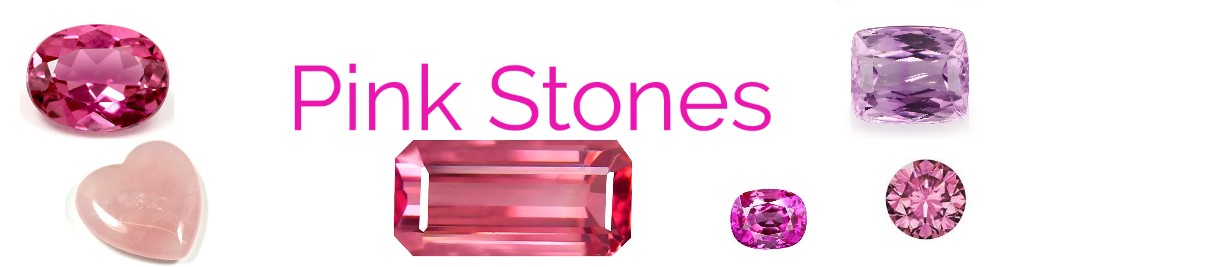
Pink is perfect for beautiful jewelry. The color pink can be intense, fresh or light. Pink gems and pink stones look beautiful in any metal or in any style. In combination with white gold or platinum, pink can be striking and sophisticated. With yellow gold, pink can be a nice contrast. For a near-perfect pairing, consider rose gold with pink gemstones.
You may be surprised to know that there are many types of gemstones that are pink. The ever-classic diamond actually comes in pink. You can also find gemstones in different shades of pink. From garnet to the pink sapphire, the options are endless if you're looking for something pink!
Diamond
Sapphire
Garnet
Morganite
Kunzite
Rose Quartz
Tourmaline
Opal
Diamond
Natural pink diamonds are rare and as beautiful as you can imagine. Pink diamonds can range from a light clear pink to darker pink with secondary tones. Most natural pink diamonds are found in Western Australia or in mines in Africa, Brazil and India.
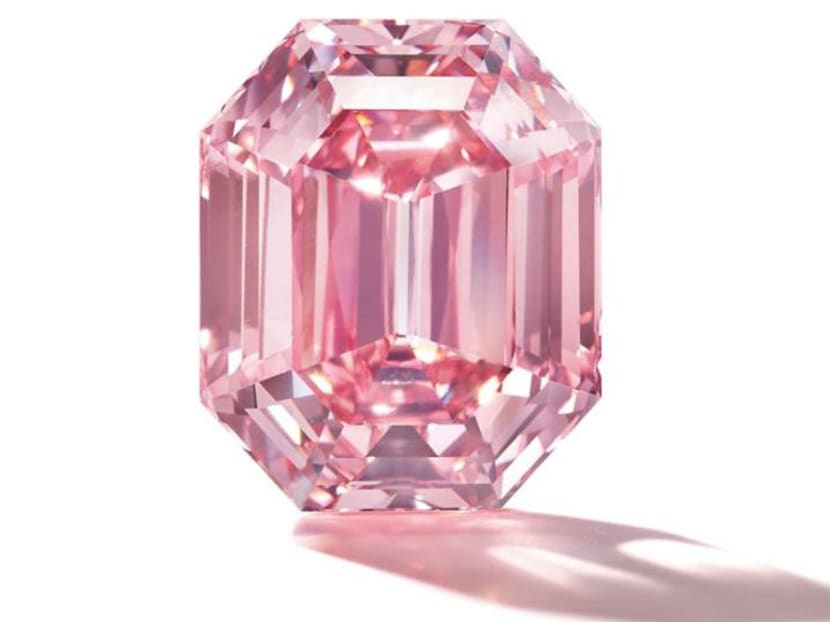
Thanks to modern treatment methods, pink diamonds are now available on the market. A treatment technique called irradiation replicates the natural process (which in the Earth takes several million years). These fancy colored diamonds are natural and are still very rare and thus valuable.
Sapphire
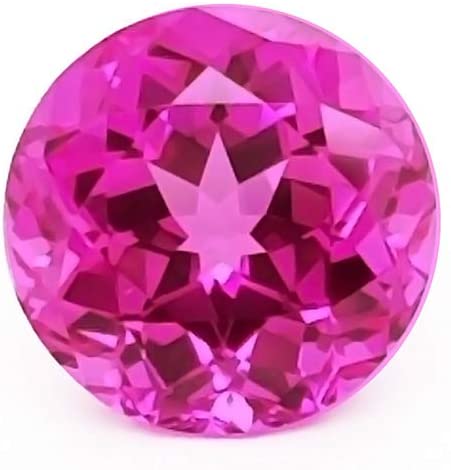
Most people associate sapphire with blue, but sapphire actually comes in all colors except red (red corundum is classified as ruby). Pink sapphires are relatively rare but still cheaper than their blue counterparts. Pink sapphires are colored by trace elements of chromium which give them their wonderful pink hue, and heat treatment or irradiation can enhance this color.
Garnet
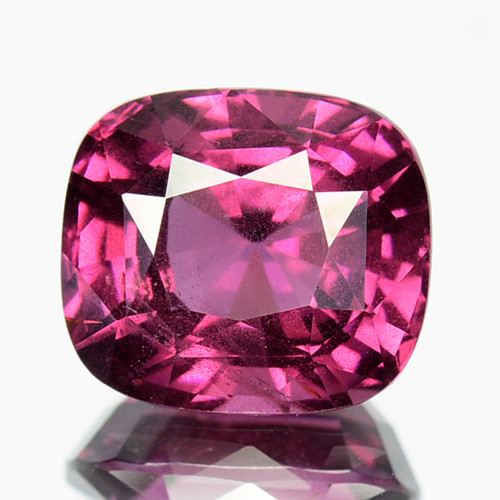
Perhaps one of the most stunning, most colorful gemstones is garnet. While most people know this birthstone for January for its reddish-brown hues, it can be almost any color. Rhodolite garnet often has a lovely pink/red shade and is a very affordable stone.
Morganite
Morganite, or pink beryl as it was originally described, was discovered in Madagascar in 1911. It was Tiffany's famous gemologist, George Frederick Kunz, who renamed this unique gemstone in tribute to the New York banker and his financier, John Pierpont Morgan.
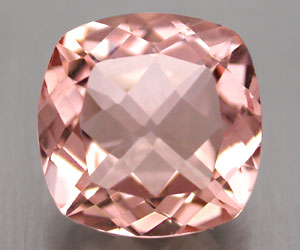
Morganite, a member of the beryl family and sister gemstone to aquamarine and emerald, is colored by trace amounts of manganese that find their way into the beryl crystal structure. Usually found as flat crystals similar to rose quartz but morganites are easily distinguished by their luster and brilliance.
When Mother Nature created Morganite, she made the perfect gemstone to complement everyone's complexion. Coming in pinks from subtle lavenders to hot fuchsias and even pastel pink apricot blends, Morganite exudes charm and tenderness.
Its durability, luster, clarity, brilliance and myriad of beautiful pink shades, make Morganite extremely suitable as a jewelry gemstone, suitable for everyday wear. The only factor hindering Morganite's popularity is its scarcity which makes quality morganite stones very rare.
Kunzite
First discovered in California in 1902 (some sources say around 1877), Kunzite is named after Tiffany's legendary gemologist and famous gem writer, George Frederick Kunz.
Kunz described this durable pink gemstone as having two distinct properties: phosphorescence—where, like diamond, Kunzite glows in a dark room after being exposed to the sun's ultraviolet rays—and Pleochroism—showing different colors when viewed from different angles. These phenomena are best seen in larger kunzite gemstones as in jewelry such as pendants, earrings and rings with claw settings that allow light to flow freely through them.
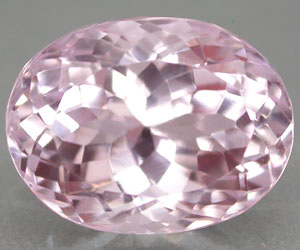
Kunzite radiates gorgeous pastel pinks, frosty lilacs, cool lavenders, warm fuchsias and rich orchids under the warm glow of a light bulb (candle).
The lithium in Kunzite's chemical composition, lithium aluminum silicate, together with trace amounts of manganese, gives the wonderful pink colors that kunzite possesses.
Rose Quartz
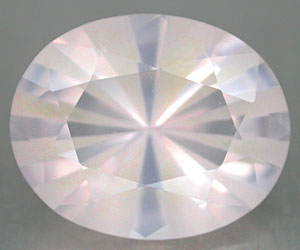
Rose quartz is the pink variety of quartz. Rarely completely pure, rose quartz often displays a beautiful hazy appearance. Rose quartz is also called the "heart stone" and makes a great Valentine's Day surprise. Rose quartz is usually found in fairly large sizes, which makes it a very suitable stone for neck jewelry.
Tourmaline
Tourmaline has a colorful and romantic history and comes in an incredible array of beautiful colors. Tourmaline is found in a palette of over 100 different shades, and is one of the world's most diverse gemstones. This has resulted in the nickname "chameleon gem", which is doubly appropriate when you consider that a major source of tourmaline is Madagascar, home to more than half of the world's chameleon species.
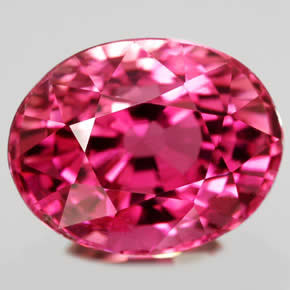
The pink tourmaline is usually a darker shade of pink. It can even almost look red at times (a reddish tourmaline is called rubellite).
Opal
One of the world's most sought-after gemstones, opal whose name evolved from the Roman opalus derived from the Greek opallios, meaning "to see a change of color." The Greek word was a modification of the ancient Indian Sanskrit name for Opal, Upala, which meant "precious stone."
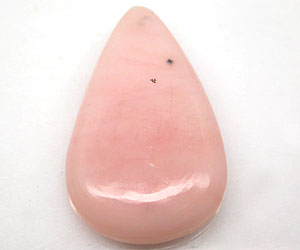
Pink opal is a very rare variety of opal that is only found in a few places around the world, the most sought after coming from Peru.