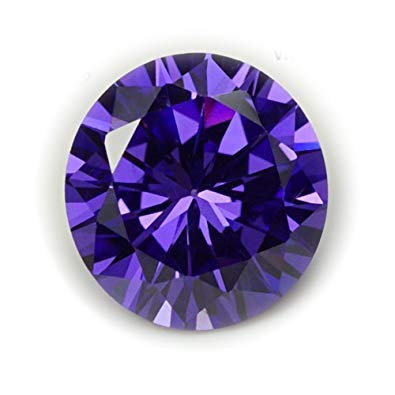
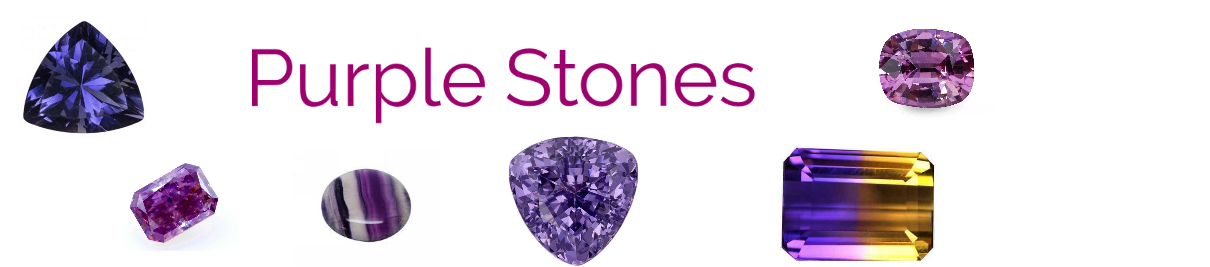
Purple is a very popular color that suits all seasons and jewelry types. The most common purple stone is amethyst, but there are a whole range of other very beautiful purple stone types. If you're curious about the many purple gems out there, we've compiled a list of them!
Amethyst
Ametrine
Garnet
Diamond
Fluorite
Iolite
Sapphire
Spinel
Tourmaline
Zircon
Amethyst
Colored by an interaction of iron and aluminum, amethyst is a variety of macrocrystalline quartz that occurs in translucent pastel pinks to deep purples and violets.
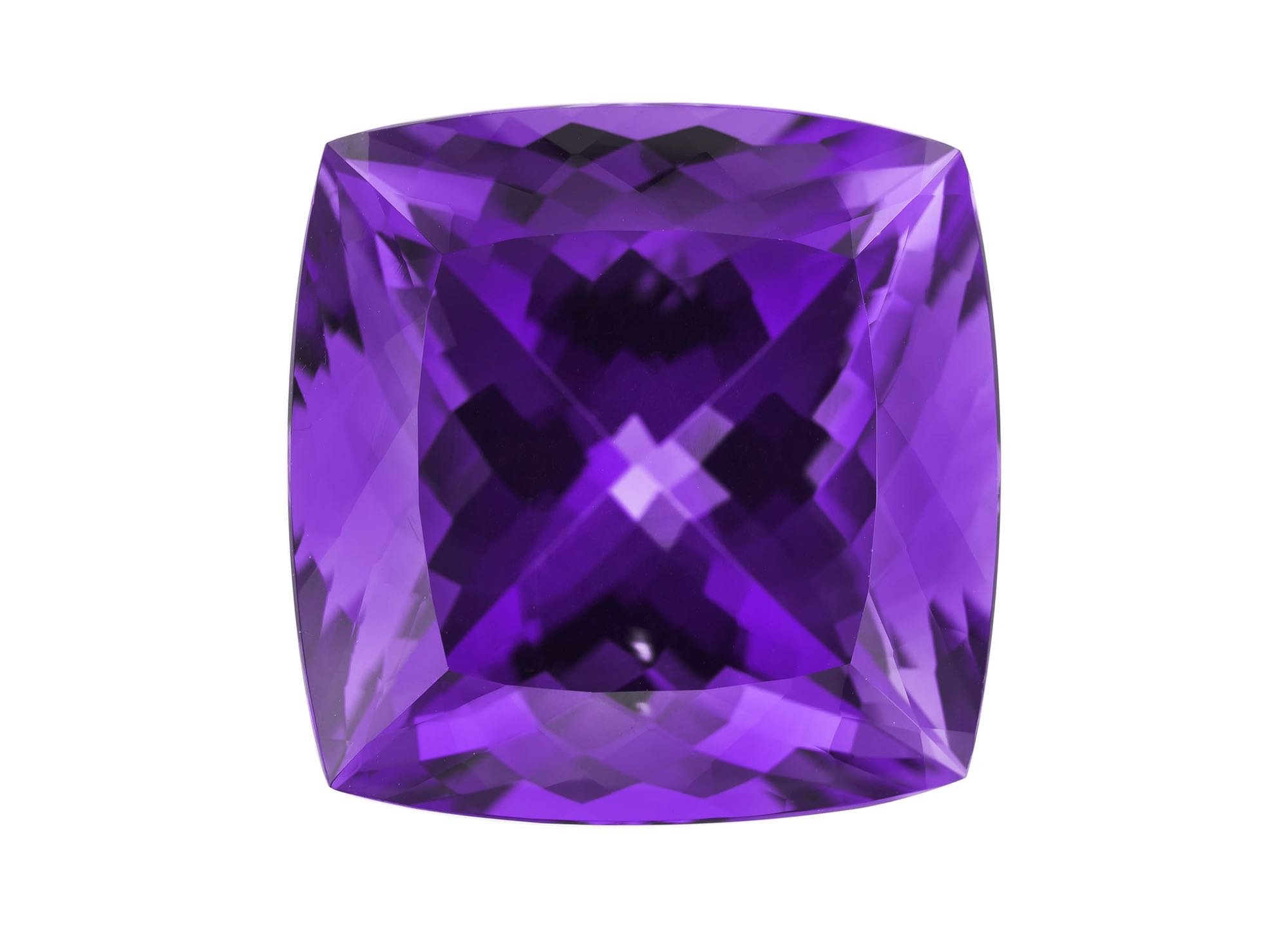
Amethyst first appeared in Europe in 1727, and the Brazilian amethyst soon became very fashionable and expensive. Amethyst was very popular in France and England during the 18th century and many wealthy families invested large sums of money in this gemstone. For example, a necklace of amethysts was bought at a very high price for Queen Charlotte (1744-1818), wife of George III of England.
The main mining areas for Brazilian amethyst are Minas Gerais, Bahia and Maraba. Neighboring Uruguay also offers spectacularly beautiful varieties of amethyst.
Ametrine
Ametrine is one of the world's most unusual gemstones considering that it is actually two stones in one. Two colored ametrine mixes the golden sun yellow of citrine with violet amethyst. The unusual color variation found in ametrine is due to the presence of iron in different oxidation states in the crystalline structure, which form color centers. Exactly how this happens is not completely clear.
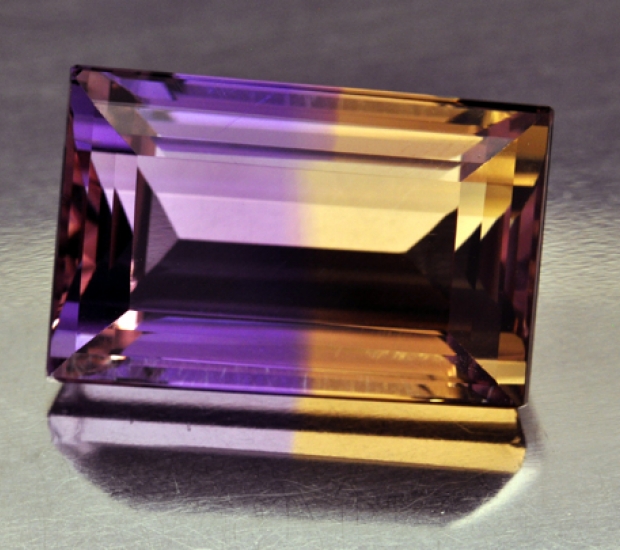
The world's most important source of ametrine is the Bolivian Anahi mine, which became famous in the 17th century when a Spanish conquistador received it as a dowry after marrying an Ayoreo princess named Anahi.
Ametrine has only been available to the consumer market since 1980 when material from the Anahi Mine in Bolivia began to appear in larger quantities. Before this, ametrine was considered very rare and was also known as amethyst-citrine quartz, trystine or golden amethyst.
Garnet
Garnet has a history that spans over 5,000 years. The name comes from the Latin word for seed, granatus, because the stone has a similar color to the seeds from the pomegranate fruit.
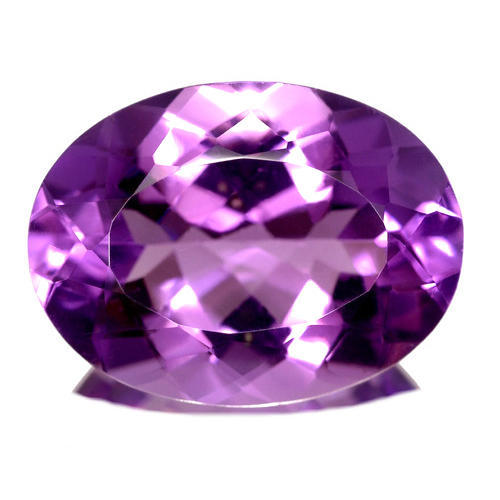
Garnets are a group of related mineral species with essentially the same crystal structure, but varying in chemical composition.
The most common purple garnet is rhodolite. The name rhodolite is taken from the Greek words rho'don and lithos, which literally means "pink stone." Possessing a color reminiscent of rhododendron flower, this name was first used in the late 19th century to describe garnets.
Rhodolite is a naturally occurring mixture of almandine and pyrope garnet. Although raspberry is the most prized color, rhodolite also comes in shades of pink to lavender.
Diamond
If you like the extremely rare, you may be interested in purple diamond. Extremely few completely natural, untreated purple diamonds are found. Due to their rarity, these diamonds also command sky-high prices.
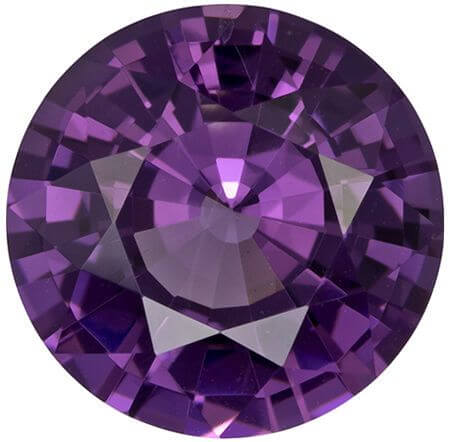
Thanks to modern treatment methods, purple diamonds are now available on the market. A treatment technique called irradiation replicates the natural process (which in the Earth takes several million years). These fancy colored diamonds are natural and are still very rare and thus valuable.
Fluorite
Fluorite derives its name from the Latin word fluor, meaning to flow (in relation to its low melting point), fluorite is known as the world's most colorful gemstone.
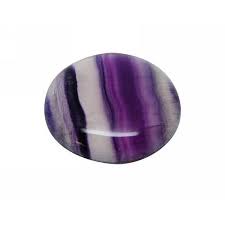
Fluorite, from which we get the word fluorescent, crosses the entire color spectrum, from deep purple to crimson red, blue to green (chrome fluorite), and frosty orange to lemon yellow. Fluorite is one of the more famous fluorescent minerals.
Iolite
The name Iolite comes from the Greek word Ios, meaning violet. Iolite is a transparent, violet blue, light blue or yellow gray gemstone. A pleochroic paperclip (different colors appear when the gemstone is viewed from different angles), Iolite will display many colors in one and the same stone.
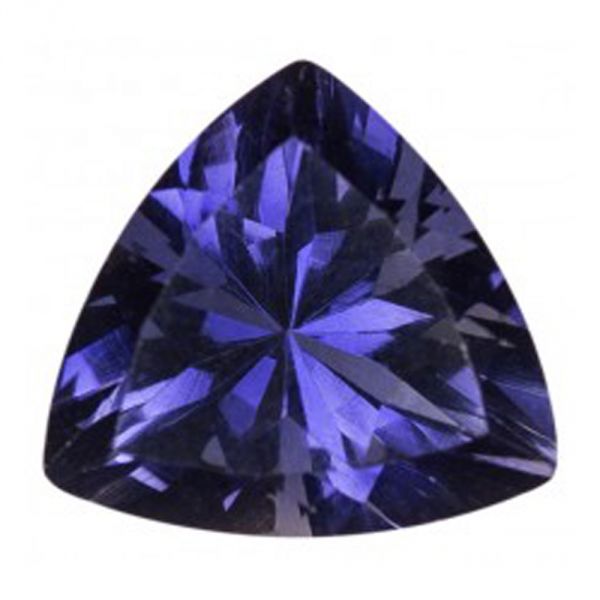
Iolite is a popular and interesting gemstone. It has a rather blue-violet color similar to tanzanite and has also been compared to pale blue sapphires. It is for this reason that it is sometimes called water sapphire.
An iolite ring or pendant is probably the best way to showcase this gemstone's unique color, as it is a durable stone well suited for everyday wear.
Sapphire
Sapphires come in all sorts of colors (although the blue sapphire is traditionally the most sought after). Sapphires get their color from small components of iron and titanium.
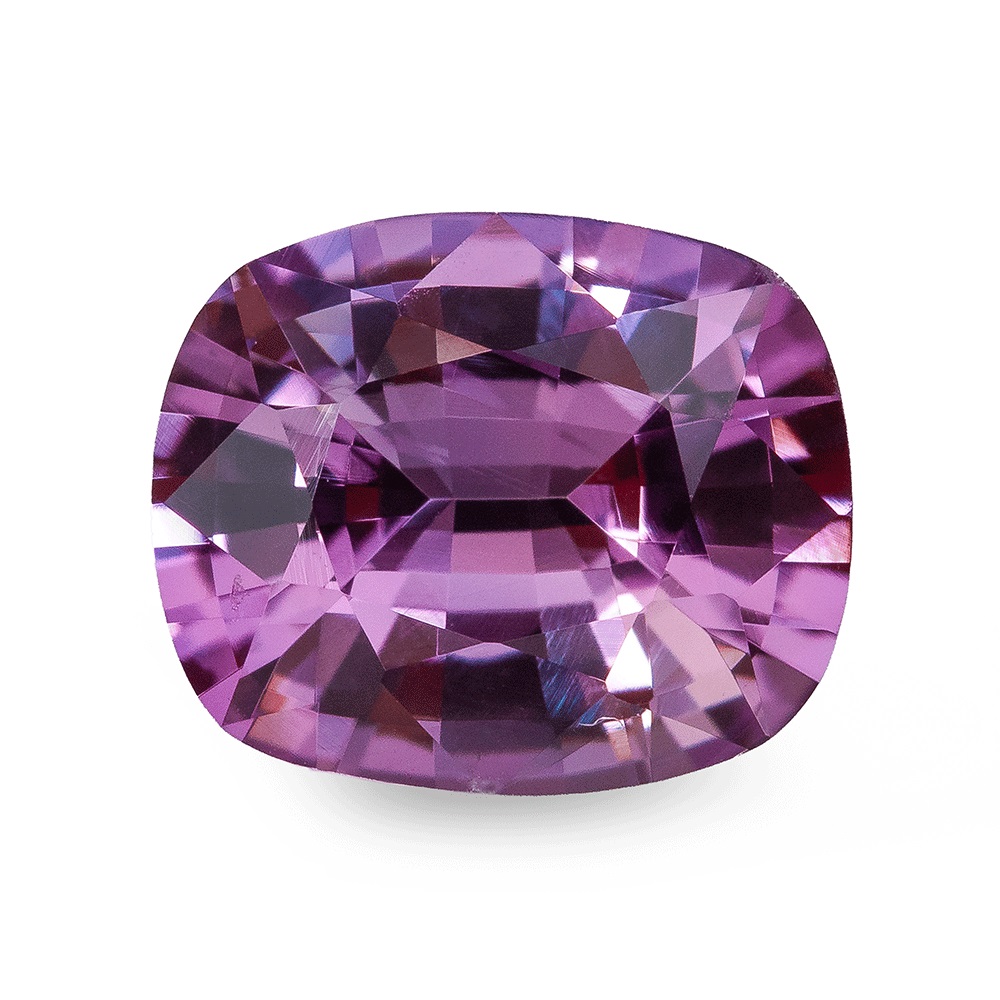
Historically, many purple sapphires have been found in Sri Lanka. Today, most purple sapphires are mined in Africa (Madagascar, Tanzania, Mozambique, Kenya), but also in countries such as Sri Lanka, Myanmar, Cambodia, Australia and Brazil.
Spinel
The name spinel derives either from the Latin word for thorn, spina, as a result of spinel's characteristic crystals with pointed ends, or from the Greek word for spark, spintharis, referring to spinel's bright red hues.
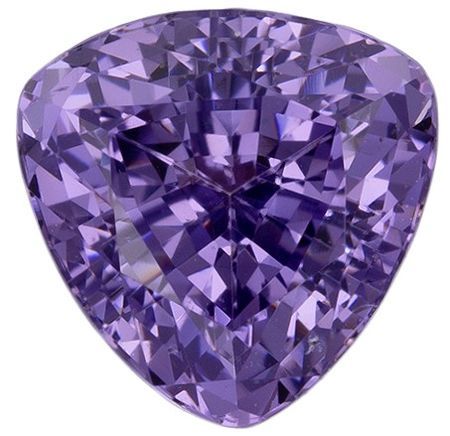
Spinel occurs in many colors including purple, red, blue, pink, orange and a variety of other fine colors. Like ruby, spinel is mined from alluvial deposits. Spinels come from a handful of sources including Tajikistan, Sri Lanka, Madagascar, Tunduru in Tanzania and central Vietnam's Luc Yen region. While most gem connoisseurs associate Burma with the classic and most well-known source of fine red spinels, new discoveries in Tanzania's Mahenge region have given gem lovers new deposits of top quality spinels in all their colors.
Tourmaline
Tourmaline has a colorful and romantic history and comes in an incredible array of beautiful colors. Tourmaline is found in a palette of over 100 different shades, and is one of the world's most diverse gemstones. This has resulted in the nickname "chameleon gem", which is doubly appropriate when you consider that a major source of tourmaline is Madagascar, home to more than half of the world's chameleon species.
Purple tourmaline is often called Siberite tourmaline and this wonderful tourmaline variety is definitely one of the world's rarest stones. The name Siberite comes from Siberia where this stone was first encountered. However, this stone is from Nigeria where untreated high quality tourmalines are now found.
Zircon
Although often associated with blue, this birthstone for December can display almost any color. The wonderful luster of zircon makes it an excellent and common diamond substitute. Purple shades can be bright and attractive but are often the result of heat treatment.