
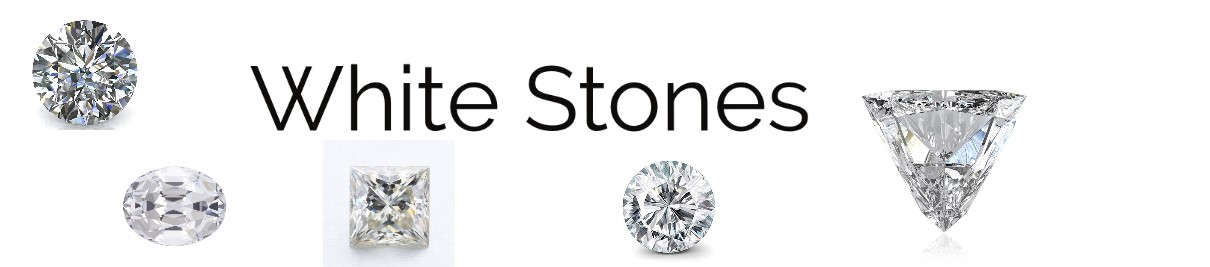
When we think of a white gemstone, diamonds are usually the first thing that comes to mind. But there are many others to choose from, each with their own individual characteristics.
In the gemstone industry, white gemstones also refer to colorless stones. These stones are especially popular as diamond replacements because they are often so much cheaper. If you're curious about the many white gemstones out there, we've compiled a list of them!
Diamond
Sapphire
Danburite
Topaz
Goshenite
Opal
Zircon
Quartz
Diamond
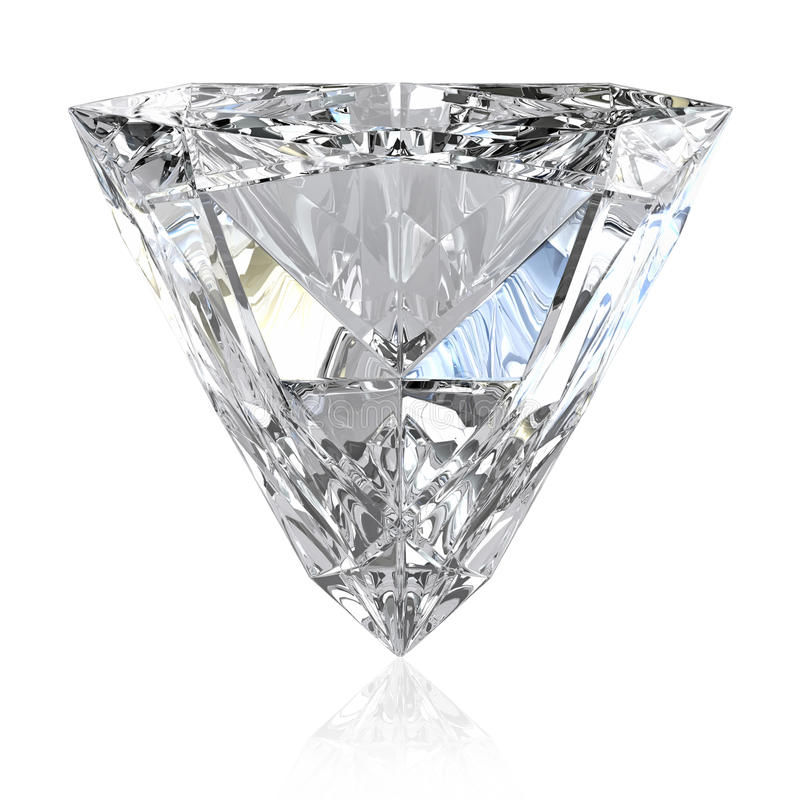
The word diamond comes from the Greek word adamas which means unsurpassed. Over the past hundred years, white diamonds have become the most well-known gemstone. Diamond is the hardest type of gemstone with a hardness of 10 on the Moh's hardness scale.
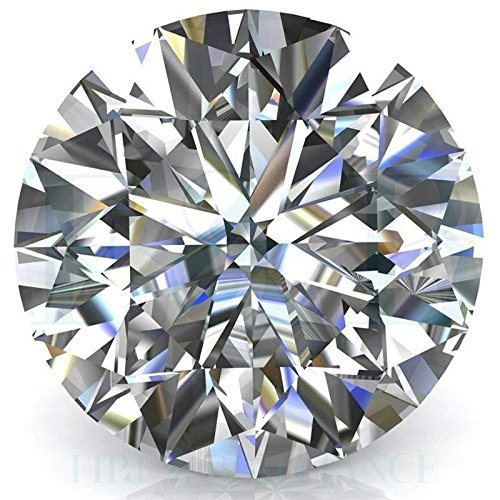
White diamonds are graded on a color scale from D (River) to N (Cape), where River White is the most sought-after and rarest color.
Sapphire
Sapphires come in all sorts of colors (although the blue sapphire is traditionally the most sought after). Sapphires get their color from small components of iron and titanium.
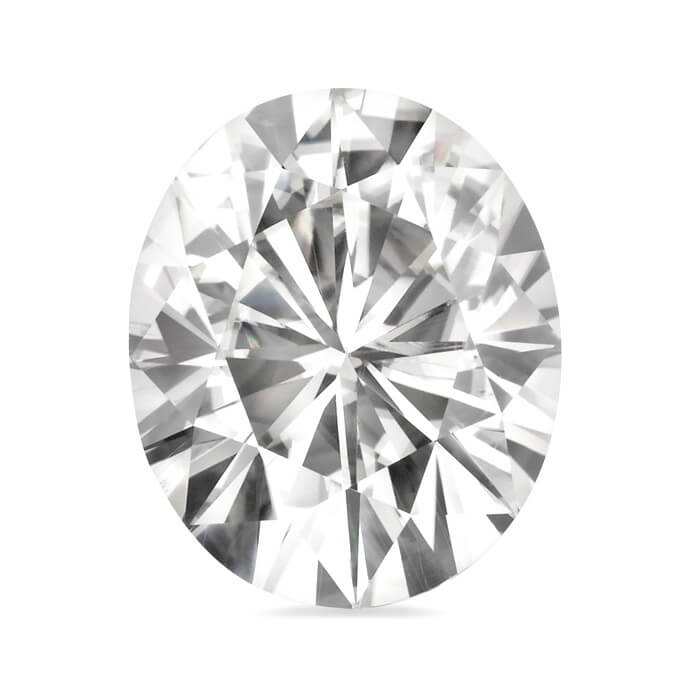
White sapphire is a very good replacement stone for diamond with similar qualities but at a much more favorable price!
Danburite
Danburite is a rare stone that was first discovered in the town of Danbury, Connecticut. This beautiful gemstone has also recently been found in Japan, Burma, Madagascar and Mexico. In recent years, Danburite has become very popular as a jewelry stone instead of white diamond as the color is identical, but the size is much larger and incredibly much more affordable than a diamond. Danburite has a hardness of 7, which makes it perfectly suitable for all types of jewellery.
Topaz
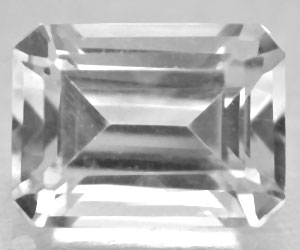
Topaz is mined from both host rock and alluvial deposits which leads to its unique crystal structure which gives topaz a very high hardness. Because of this, pure colorless topaz has often been mistaken for diamond. The huge (1680 carat) Braganza gemstone set in the Portuguese Crown Jewels was originally believed to be a diamond - in fact it is a beautiful clear topaz.
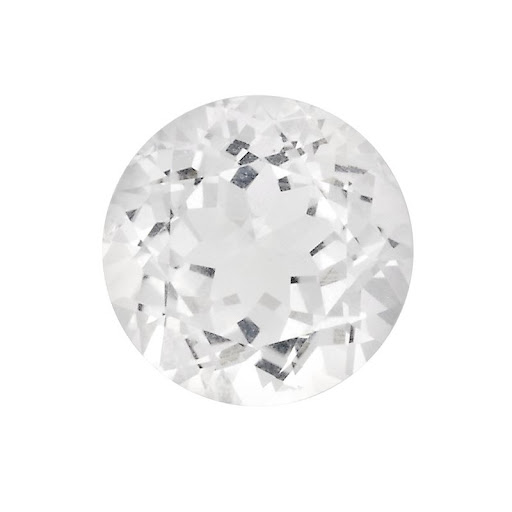
Goshenite
Goshenite belongs to the beryl family and is the colorless variety of beryl. Goshenite is often used as a replacement stone for the much more expensive diamond.
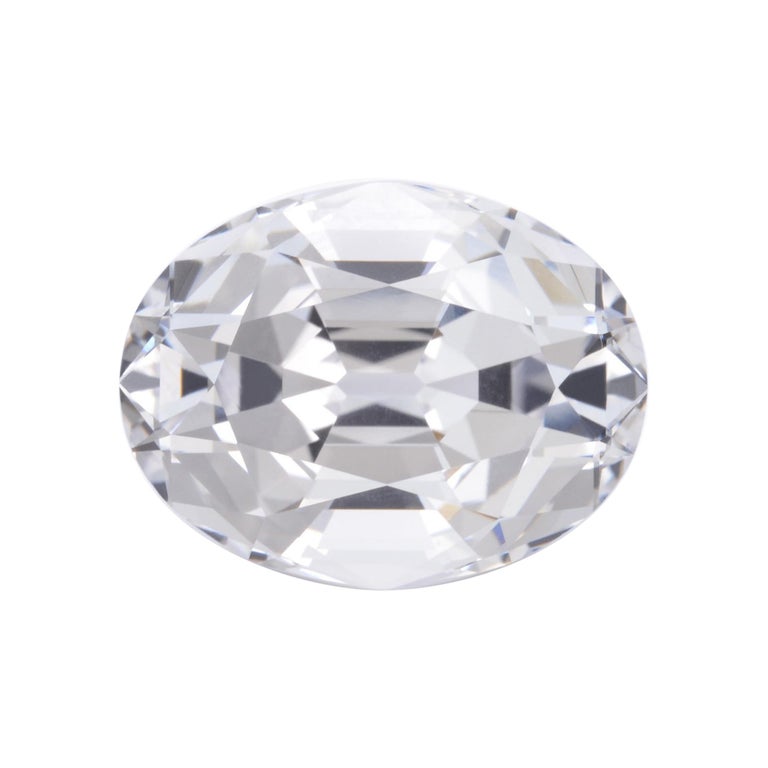
Opal
One of the world's most sought-after gemstones, opal whose name evolved from the Roman opalus derived from the Greek opallios, meaning "to see a change of color." The Greek word was a modification of the ancient Indian Sanskrit name for Opal, Upala, which meant "precious stone."
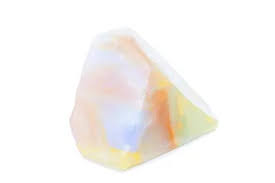
White opal is the most common type of opal. It has a white background and is sub-transparent to translucent, usually showing opalescence. The best examples show all spectral colors. This opal type is considered less valuable than black opal.
Zircon
Zircon is the birthstone for the month of December. Zircon is often used as Diamond because Zircon has such an incredibly strong brilliance that easily matches that of Diamonds. Many confuse Zircon with Cubic Zircon, which is not entirely fair. Cubic Zircon is an inexpensive, synthetic stone. The only equality with a natural, genuine Zircon is the name similarity and the color.
Quartz
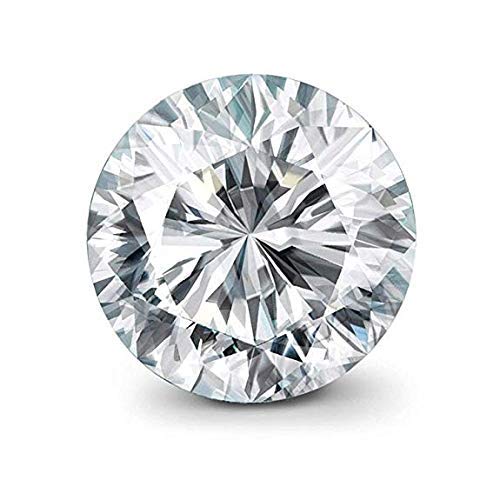
The Greeks originally named quartz crystallosis, that is, ice, but this term was soon applied to all types of crystal. The modern name of quartz is derived from the Saxon word querklufterz, meaning "cross-vein ore."
White quartz is a very common type of stone and is often found in large, pure crystals, which makes them perfect for pendants.