
November Birthstones:
Individuals born in November can choose between two gorgeous gemstones to brighten up this chilly month.
In fact, topaz and citrine look so similar that they have often been mistaken for each other throughout history. They are unrelated minerals, and topaz occurs in a wide range of colors far beyond yellow.
Both November birthstones are readily available and affordable, even in large sizes, meaning everyone can find a way to fit topaz and citrine into their budget.
Topaz:
Basic facts:
Month stone: November
Origin: Brazil, Burma, Mexico, Mozambique, Nigeria, Russia & Sri Lanka
Colors: Various
Family: Topaz: Al2SiO4(F,OH)2
Hardness: 8
Refractive Index: 1.60 – 1.64
Specific Gravity: 3.49 – 3.57
Treatment: Often treated
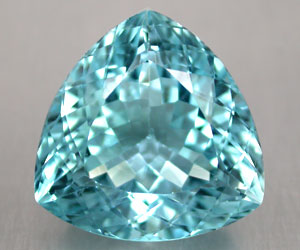
The origin of the name topaz generates confusion, as some references point to the Sanskrit word tapaz, meaning fire, while others believe it is named after Zeberget, an island in the Red Sea that the Greeks called Topazius, the ancient source of peridot.
Some sources believe this was due to ancient confusion between topaz and peridot, however, it is more likely that this name may have come from confusion with the Greek word topasin, meaning guess or conjecture, possibly referring to how the fisherman sometimes lost the island in fog.
Its name suggests beauty, rarity and wealth, and gives a sense of timelessness. While the golden yellow and blue topaz are the most famous, topaz actually comes in a variety of striking colors. This, combined with its beauty and durability, makes topaz perfect for jewelry for all occasions.
Myths and legends
Many ancient traditions and beliefs have created an illustrious history for topaz. The Egyptians called topaz the "Gem of the Sun", as they believed it was colored with the golden shimmer of their sun god Ra and thus a powerful protector from harm.
If you are on a journey of spiritual transformation, topaz is believed by crystal healers to make an excellent companion. It apparently teaches you to trust the universe. Topaz is also believed by some crystal healers to strengthen confidence and to help you make the right decisions by giving you the courage to follow through on choices and thus turn dreams into reality.
Topaz facts
Mined from both host rock and alluvial deposits, its unique crystal structure makes topaz a hard and dense gemstone. Because of this, pure colorless topaz has often been mistaken for diamond. The huge (1680 carat) Braganza gemstone set in the Portuguese Crown Jewels was originally believed to be a diamond - in fact it is a beautiful clear topaz.
Blue Topaz
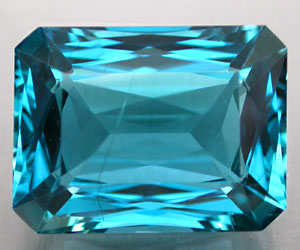
In addition to the famous sky blue topaz, the more intense swiss and london blue topazes have become increasingly popular.
Imperial Topaz
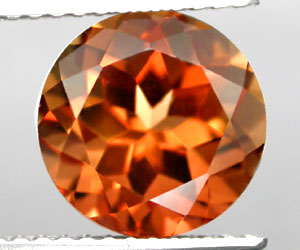
At the height of Imperial Russia's power, orange-pink topazes were imported from Brazil to decorate the jewelry of the Czarina. Since then, these colors have been known as imperial topaz and remain one of the most sought after varieties.
Mystic Topaz
Mystic topaz (also known as mystic fire topaz, rainbow topaz, titanium topaz, Alaska topaz and West Indies topaz) is one of the most beautiful new gemstones of the 20th century. First shown in September 1998 at the Hong Kong Jewelry Show, its popularity increased dramatically when it was shown at the Tucson Gem Show in 2003.
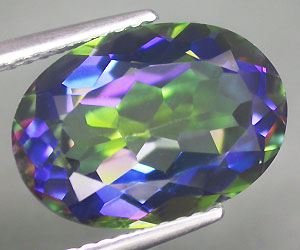
Mystic topaz is produced using diffusion treatment. Applied to the highest quality natural white topazes, the treatment is permanent without wear. This process can induce a shimmering appearance, whose color range depends on the light source and the angle you see the stone from.
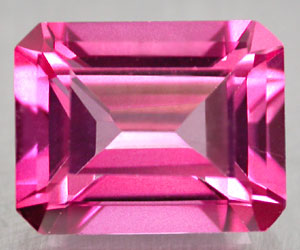
Mystic topazes are now available in all sorts of different colors such as flamingo topaz, pink topaz, twilight topaz, moonlight topaz, canary topaz, kiwi topaz and Neptune topaz.
Citrine:
Basic facts:
Month stone: November
Origin: Brazil, Madagascar, Tanzania & Uruguay
Colors: Yellow
Family: Chalcedony quartz: SiO2
Hardness: 7
Refractive Index: 1.54 – 1.55
Specific Gravity: 2.65
Treatment: Usually not treated
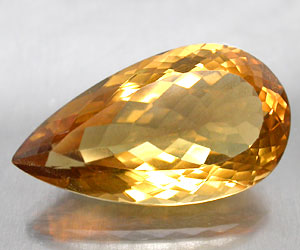
Citrine is the yellow variety of macrocrystalline quartz that takes its name from citron, the French word for lemon. Citrine is a beautiful transparent gemstone and one of November's gemstones.
Myths and legends
Citrine began to be used in jewelry in Greece during the Hellenistic period (late 4th to late 1st century BC).
The first use of citrine by the Romans was in Intaglios and cabochons in the first centuries after the birth of Christ.
In ancient times, citrine was believed to bring good luck and was used as a protective talisman against evil thoughts.
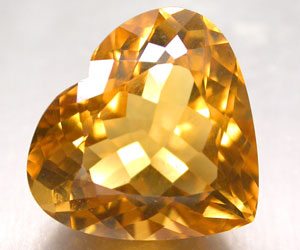
Among crystal healers, citrine is said to be particularly useful for stimulating mental abilities, enhancing creativity and intuition, and boosting one's confidence. It is also said to provide emotional control while becoming more alert. Citrine is also said to be very helpful in helping one acquire and maintain wealth.
Citrine facts
Citrine occurs naturally near amethyst and a related quartz mineral. The color of citrine comes from small amounts (about 40 parts per million) of iron in the crystal structure of quartz.
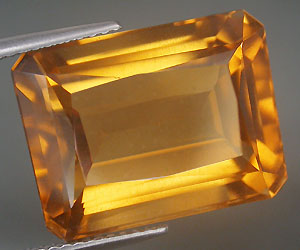
The color of Citrin varies from pastel lemon yellow to golden yellow to mandarin orange and Madeira red (according to the color of wine). Traditionally Madeira's shades were more sought after, but nowadays Citrin's lighter lemon tones are preferred. Most citrine is mined today in Uruguay, Brazil and many African countries, including Madagascar. Citrine can easily be confused with topaz and has also been called "topaz quartz."
Two colored citrine beautifully blends the bright golden yellow of citrine with the ice white of white quartz in one stone. Two colored citrine is due to environmental changes during formation. At different times, color-inducing elements (iron) were incorporated into the crystal, leading to different color layers.
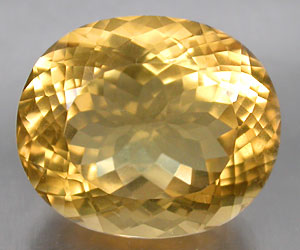
Individuals born in November can choose between two gorgeous gemstones to brighten up this chilly month.
In fact, topaz and citrine look so similar that they have often been mistaken for each other throughout history. They are unrelated minerals, and topaz occurs in a wide range of colors far beyond yellow.
Both November birthstones are readily available and affordable, even in large sizes, meaning everyone can find a way to fit topaz and citrine into their budget.
Topaz:
Basic facts:
Month stone: November
Origin: Brazil, Burma, Mexico, Mozambique, Nigeria, Russia & Sri Lanka
Colors: Various
Family: Topaz: Al2SiO4(F,OH)2
Hardness: 8
Refractive Index: 1.60 – 1.64
Specific Gravity: 3.49 – 3.57
Treatment: Often treated
The origin of the name topaz generates confusion, as some references point to the Sanskrit word tapaz, meaning fire, while others believe it is named after Zeberget, an island in the Red Sea that the Greeks called Topazius, the ancient source of peridot.
Some sources believe this was due to ancient confusion between topaz and peridot, however, it is more likely that this name may have come from confusion with the Greek word topasin, meaning guess or conjecture, possibly referring to how the fisherman sometimes lost the island in fog.
Its name suggests beauty, rarity and wealth, and gives a sense of timelessness. While the golden yellow and blue topaz are the most famous, topaz actually comes in a variety of striking colors. This, combined with its beauty and durability, makes topaz perfect for jewelry for all occasions.
Myths and legends
Many ancient traditions and beliefs have created an illustrious history for topaz. The Egyptians called topaz the "Gem of the Sun", as they believed it was colored with the golden shimmer of their sun god Ra and thus a powerful protector from harm.
If you are on a journey of spiritual transformation, topaz is believed by crystal healers to make an excellent companion. It apparently teaches you to trust the universe. Topaz is also believed by some crystal healers to strengthen confidence and to help you make the right decisions by giving you the courage to follow through on choices and thus turn dreams into reality.
Topaz facts
Mined from both host rock and alluvial deposits, its unique crystal structure makes topaz a hard and dense gemstone. Because of this, pure colorless topaz has often been mistaken for diamond. The huge (1680 carat) Braganza gemstone set in the Portuguese Crown Jewels was originally believed to be a diamond - in fact it is a beautiful clear topaz.
Blue Topaz
In addition to the famous sky blue topaz, the more intense swiss and london blue topazes have become increasingly popular.
Imperial Topaz
At the height of Imperial Russia's power, orange-pink topazes were imported from Brazil to decorate the jewelry of the Czarina. Since then, these colors have been known as imperial topaz and remain one of the most sought after varieties.
Mystic Topaz
Mystic topaz (also known as mystic fire topaz, rainbow topaz, titanium topaz, Alaska topaz and West Indies topaz) is one of the most beautiful new gemstones of the 20th century. First shown in September 1998 at the Hong Kong Jewelry Show, its popularity increased dramatically when it was shown at the Tucson Gem Show in 2003.
Mystic topaz is produced using diffusion treatment. Applied to the highest quality natural white topazes, the treatment is permanent without wear. This process can induce a shimmering appearance, whose color range depends on the light source and the angle you see the stone from.
Mystic topazes are now available in all sorts of different colors such as flamingo topaz, pink topaz, twilight topaz, moonlight topaz, canary topaz, kiwi topaz and Neptune topaz.
Citrine:
Basic facts:
Month stone: November
Origin: Brazil, Madagascar, Tanzania & Uruguay
Colors: Yellow
Family: Chalcedony quartz: SiO2
Hardness: 7
Refractive Index: 1.54 – 1.55
Specific Gravity: 2.65
Treatment: Usually not treated
Citrine is the yellow variety of macrocrystalline quartz that takes its name from citron, the French word for lemon. Citrine is a beautiful transparent gemstone and one of November's gemstones.
Myths and legends
Citrine began to be used in jewelry in Greece during the Hellenistic period (late 4th to late 1st century BC).
The first use of citrine by the Romans was in Intaglios and cabochons in the first centuries after the birth of Christ.
In ancient times, citrine was believed to bring good luck and was used as a protective talisman against evil thoughts.
Among crystal healers, citrine is said to be particularly useful for stimulating mental abilities, enhancing creativity and intuition, and boosting one's confidence. It is also said to provide emotional control while becoming more alert. Citrine is also said to be very helpful in helping one acquire and maintain wealth.
Citrine facts
Citrine occurs naturally near amethyst and a related quartz mineral. The color of citrine comes from small amounts (about 40 parts per million) of iron in the crystal structure of quartz.
The color of Citrin varies from pastel lemon yellow to golden yellow to mandarin orange and Madeira red (according to the color of wine). Traditionally Madeira's shades were more sought after, but nowadays Citrin's lighter lemon tones are preferred. Most citrine is mined today in Uruguay, Brazil and many African countries, including Madagascar. Citrine can easily be confused with topaz and has also been called "topaz quartz."
Two colored citrine beautifully blends the bright golden yellow of citrine with the ice white of white quartz in one stone. Two colored citrine is due to environmental changes during formation. At different times, color-inducing elements (iron) were incorporated into the crystal, leading to different color layers.