
February birthstones:
For people with February birthdays, amethyst is a perfect birthstone.
February is often a cold, dark and short month for many people around the world. Amethyst is a beautiful, richly colored gemstone, which is a beautiful contrast to this time of year.
Amethyst:
Basic facts:
Month stone: February
Origin: Australia, Brazil, Kenya, Madagascar, Russia, Sri Lanka & Uruguay
Colors: Pink red to Purple/violet
Family: Quartz: SiO2
Hardness: 7
Refractive Index: 1.54 – 1.55
Specific Gravity: 2.65
Treatment: Normally not treated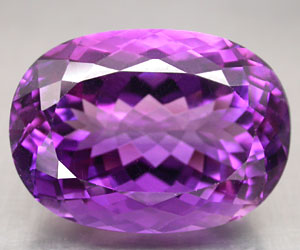
Myths and legends
With the mythology surrounding the origin of amethyst, it is perhaps fitting that it was once considered a talisman to prevent drunkenness, which explains why wine goblets were made from this gemstone. As the ancient Greeks often playfully manipulated words from other languages, it is possible that they jokingly converted the Hebrew word for a purple gemstone, achlamath, into the Greek word amethustos, meaning "not drunk", from which the modern name for amethyst is derived.
Amethyst's shades of violet to purple have served as a symbol of royalty throughout history. Pharaohs, kings and queens have long prized amethyst for its rich, regal color.
Since amethyst was believed to encourage celibacy (it was believed to have a serious effect not only on drunkards, but also on those who were excited by passion), amethyst was very important in the decoration of Catholic churches in the Middle Ages. Even today, bishops still wear amethyst rings.
Many other qualities were attributed to amethyst in the 15th century. Leonardo Da Vinci wrote that amethysts could divert evil thoughts and strengthen intelligence. It was also believed that amethyst could make people wise in matters of business, protect soldiers from harm and help hunters catch wild animals.
Amethyst facts
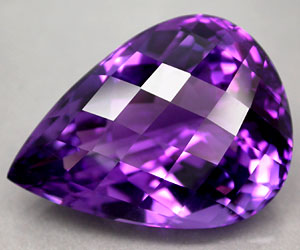
Colored by an interaction of iron and aluminum, amethyst is a variety of macrocrystalline quartz that occurs in translucent pastel pinks to deep purples and violets.
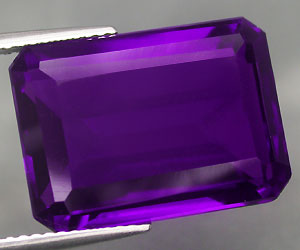
Like many other gemstones, the quality of amethyst varies according to its source. Amethyst from America is found in large sizes as opposed to African amethyst (usually mined in Madagascar and Zambia), which are sometimes small but have a higher saturation of color. Dark, highly saturated amethyst is also found in Australia and Sri Lanka. The now historic Siberian variety is deep purple with occasional red and blue hues and commands the highest price. However, most amethysts originate in Brazil and Uruguay.
Amethyst first appeared in Europe in 1727, and the Brazilian amethyst soon became very fashionable and expensive. Amethyst was very popular in France and England during the 18th century and many wealthy families invested large sums of money in this gemstone. For example, a necklace of amethysts was bought at a very high price for Queen Charlotte (1744-1818), wife of George III of England.
The main mining areas for Brazilian amethyst are Minas Gerais, Bahia and Maraba. Neighboring Uruguay also offers spectacularly beautiful varieties of amethyst.
Rose de France amethyst (also known as lavender amethyst) is the name of Brazilian amethyst of a pastel purple shade. Rose de France amethyst was a very popular Victorian gemstone.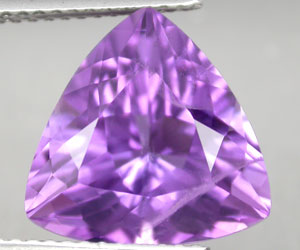
Two colored amethysts beautifully blend the royal purple lavender of amethyst with the icy white of white quartz in one stone. Two colored amethysts are due to environmental changes during formation. At different times, color-inducing elements (iron) were incorporated into the crystal, leading to different color layers. Intentionally cut to display this quality, a two-tone amethyst provides a balanced contrast between its colors. Grinding a stone so that both colors appear is sometimes challenging for the stone grinders.
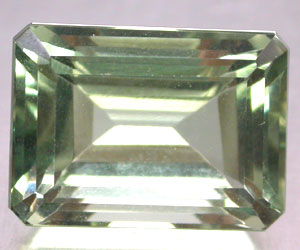
For people with February birthdays, amethyst is a perfect birthstone.
February is often a cold, dark and short month for many people around the world. Amethyst is a beautiful, richly colored gemstone, which is a beautiful contrast to this time of year.
Amethyst:
Basic facts:
Month stone: February
Origin: Australia, Brazil, Kenya, Madagascar, Russia, Sri Lanka & Uruguay
Colors: Pink red to Purple/violet
Family: Quartz: SiO2
Hardness: 7
Refractive Index: 1.54 – 1.55
Specific Gravity: 2.65
Treatment: Normally not treated
Myths and legends
With the mythology surrounding the origin of amethyst, it is perhaps fitting that it was once considered a talisman to prevent drunkenness, which explains why wine goblets were made from this gemstone. As the ancient Greeks often playfully manipulated words from other languages, it is possible that they jokingly converted the Hebrew word for a purple gemstone, achlamath, into the Greek word amethustos, meaning "not drunk", from which the modern name for amethyst is derived.
Amethyst's shades of violet to purple have served as a symbol of royalty throughout history. Pharaohs, kings and queens have long prized amethyst for its rich, regal color.
Since amethyst was believed to encourage celibacy (it was believed to have a serious effect not only on drunkards, but also on those who were excited by passion), amethyst was very important in the decoration of Catholic churches in the Middle Ages. Even today, bishops still wear amethyst rings.
Many other qualities were attributed to amethyst in the 15th century. Leonardo Da Vinci wrote that amethysts could divert evil thoughts and strengthen intelligence. It was also believed that amethyst could make people wise in matters of business, protect soldiers from harm and help hunters catch wild animals.
Amethyst facts
Colored by an interaction of iron and aluminum, amethyst is a variety of macrocrystalline quartz that occurs in translucent pastel pinks to deep purples and violets.
Like many other gemstones, the quality of amethyst varies according to its source. Amethyst from America is found in large sizes as opposed to African amethyst (usually mined in Madagascar and Zambia), which are sometimes small but have a higher saturation of color. Dark, highly saturated amethyst is also found in Australia and Sri Lanka. The now historic Siberian variety is deep purple with occasional red and blue hues and commands the highest price. However, most amethysts originate in Brazil and Uruguay.
Amethyst first appeared in Europe in 1727, and the Brazilian amethyst soon became very fashionable and expensive. Amethyst was very popular in France and England during the 18th century and many wealthy families invested large sums of money in this gemstone. For example, a necklace of amethysts was bought at a very high price for Queen Charlotte (1744-1818), wife of George III of England.
The main mining areas for Brazilian amethyst are Minas Gerais, Bahia and Maraba. Neighboring Uruguay also offers spectacularly beautiful varieties of amethyst.
Rose de France amethyst (also known as lavender amethyst) is the name of Brazilian amethyst of a pastel purple shade. Rose de France amethyst was a very popular Victorian gemstone.
Two colored amethysts beautifully blend the royal purple lavender of amethyst with the icy white of white quartz in one stone. Two colored amethysts are due to environmental changes during formation. At different times, color-inducing elements (iron) were incorporated into the crystal, leading to different color layers. Intentionally cut to display this quality, a two-tone amethyst provides a balanced contrast between its colors. Grinding a stone so that both colors appear is sometimes challenging for the stone grinders.