
September Birthstone:
Sapphires make great gifts for anyone born in September or celebrating a 5th or 45th wedding anniversary.
You can't go wrong with this colorful gemstone, whether you're looking for classic blue or another shade of the sapphire rainbow. Read more about sapphire gemstones below.
Sapphire
Basic facts:
Month stone: September
Origin (most important): Australia, India, Cambodia, Kenya, China, Madagascar, Nigeria, Sri Lanka, Tanzania, Thailand & Vietnam
Colors: All except red (red corundum is classified as ruby)
Family: Corundum: Al2O3
Hardness: 9
Refractive Index: 1.76 – 1.78
Specific Gravity: 3.97 – 4.05
Treatment: Often treated with heat, but other types also occur to a lesser degree
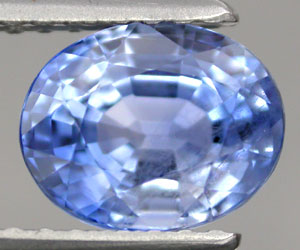
Sapphire gets its name from the Latin word sapphirus (blue) and is often referred to as the gem of heavens because its colors reflect the color of the sky at different times of the day.
Myths and Legends:
Blue is a favorite color among both men and women and is the color that psychologically links to feelings such as sympathy, calm and loyalty. According to legend, Prometheus (arch-rival of Zeus) was the first person to wear sapphire. According to legend, he stole this gem from Cacaus.
The Persians believed that sapphires were a chip of the pedistal that held up the earth and that its reflection gave color to the heavens. Sapphire is mentioned in the Bible as one of the 12 stones of fire (Ezekiel 28:13-16) given to Moses and later included in Aaron's breastplate (Exodus 28:15-30). Sapphire is also one of 12 precious stones set in the foundation of Jerusalem's city walls (Revelation 21:19).
Sapphire facts:
Although sapphires come in all possible colors, it is the blue sapphire that is traditionally the most sought after. Sapphires are identical to rubies except for one thing, the color (the red stones are called rubies). Sapphires get their color from small components of iron and titanium. The name corrundum (corundum) is believed to come from 3 ancient Tamil, Hindi and Sanskrit words for rubies and sapphires, kurundam, kurund and kuruvinda.
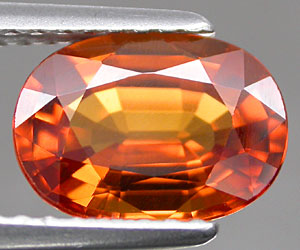
Personal preference of course plays an important role in choosing a gemstone's color, but historically, a medium blue (royal blue) sapphire is the most sought after. Sapphire is one of the hardest gemstones available, only diamonds are harder.
Star effect is a reflection that occurs on stones that have channel or spring-like rutile inclusions. These can sometimes create a star effect which makes the stone more attractive and valuable.
Sapphires from different parts of the world can vary slightly in appearance. Some of the more common sapphires are listed below.
Australian Sapphire:
Some of the world's largest sapphire deposits are found in Australia. Although top quality Australian sapphires cannot be compared to the very finest Ceylon or Madagascar sapphires, they are highly sought after. Sapphires have been mined for over 100 years in Australia. The majority of sapphires are found in 3 different areas: Anakie in central Queensland, Lava Plains in northern Queensland and New England around Inverell in north eastern New South Wales.
During the 1980s, Australia produced about 70% of the entire world production of sapphires. Although this has declined, demand for Australian sapphires is still very high.
Ceylon sapphires (Sri Lanka):
Sri Lanka has long been known as a place where very high quality gemstones have been found. It is believed that the first place where sapphires were mined was precisely Sri Lanka. Sapphires from Sri Lanka first appeared in jewelry among the Etruscans (600-275 BC) and were widely used among the Greeks and Romans from around 480 BC onwards.
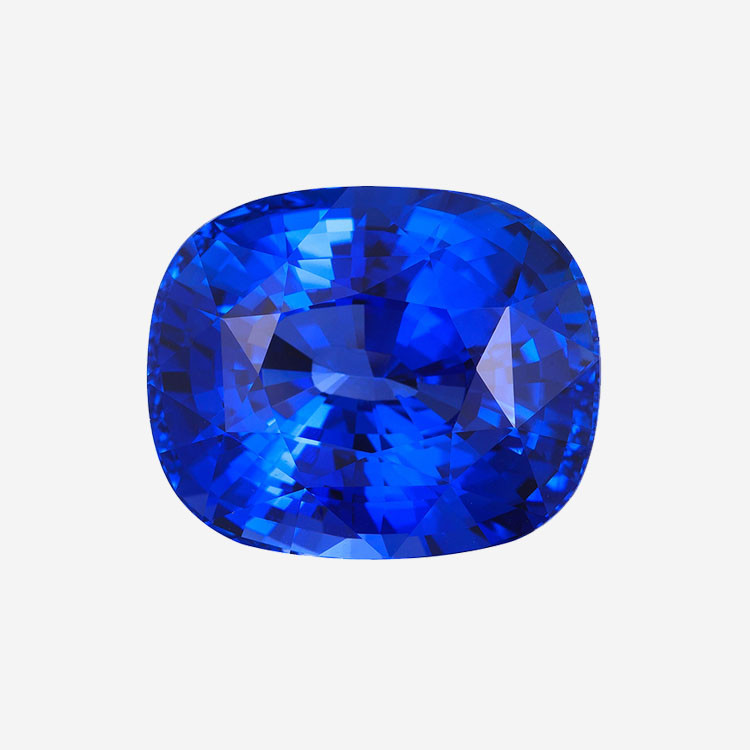
In Sri Lanka, most sapphires are found in Elahera and Ratnapura (which roughly means the city of gems). Sapphires have been mined in Ratnapura for over 2500 years. Based about 10 miles southeast of Sri Lanka's capital Colombo, Ratnapura has the largest deposits of sapphires in Sri Lanka. Here, sapphires are usually found among gravel and sand around 10-30 meters underground. Known for its blue carnation sapphires, Sri Lankan sapphires have always been associated with high quality. Sri Lankan sapphires became immensely popular in 1981 thanks to Prince Charles giving Lady Diana an engagement ring with a stunningly beautiful 18 carat Sri Lankan blue sapphire.
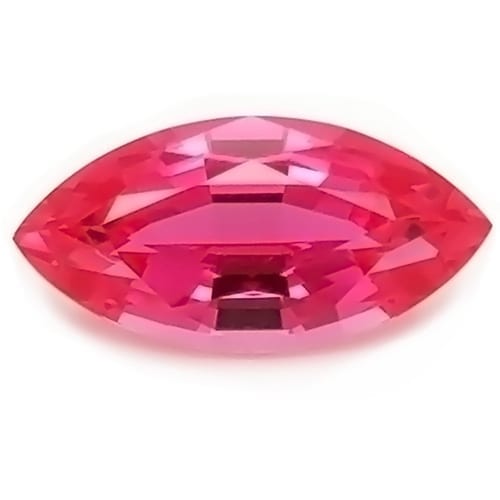
Another very beautiful and rare sapphire from Sri Lanka is the Padparadscha sapphire. One of the most sought after and valuable sapphires available, the name Padparadscha comes from its resemblance to the exotic red/orange/pink Padparadscha flower (botanical name Nelumbo Nucifera Speciosa) found in Sri Lanka. Although many sapphires such as Padparadscha are sold nowadays from other countries (such as Madagascar), only sapphires from Sri Lanka are the real thing!
Kanchanaburi sapphires (Thailand):
Kanchanaburi is probably best known for the bridge over the River Kway, but very beautiful sapphires are also found here. Kanchanaburi's Bo Ploi mines were opened in 1918 and during the 20th century were one of the world's largest producers of blue sapphires. In recent years, however, production has decreased, which has meant that sapphires from the Bo Ploi mines are becoming more and more sought after.
Madagascar Sapphires:
Today, Madagascar produces very high quality sapphires, but it wasn't until the early 1990s that sapphires were actually found in Madagascar. Up to 20% of the entire world production of sapphires is now estimated to come from Madagascar. The majority of sapphires are mined in Ilakaka, but also in Andranondambo, Andrebabe and Diego Suarez.
Nigeria sapphires:
Nigeria may not be well known among gem lovers, but Nigeria produces a large number of very beautiful sapphires. The most famous area is Nisama Jama in Kaduna region.
Pailin Sapphires (Cambodia)
The Cambodian town of Pailin (ancient Khmer word for blue sapphire) is steeped in local folk beliefs towards their treasures.
A legend is that the people hunting in the forests around Pailin met a magical old lady called Yiey Yat (yiey means grandmother in Khmer) who lived as a recluse in the mountains. She feared for the local wildlife and so she told the villagers that if they stopped hunting, the gods would reward them with something of far greater value in the streams and rivers from Mount Yat. The villagers went there and saw an otter (pey in Khmer) playing (leng in Khmer) in a stream. The otter swam up to the villagers and opened its mouth which was full of gems. Because of this, the area and the sapphires found there today are called Pey Lang, which translated into Thai became Pailin.
Shangdong Sapphires (China):
Although China has never been seen as a historical place where sapphires were found (sapphires were only mined in the late 1970s), the Chinese people have long known about their treasures. Sapphires are mined in about 20 of China's provinces, but the largest finds are found along the east coast. The very finest sapphires are found in Shangdong province. Sapphires in Shangdong Province were discovered near Wutu, Changle in the late 1980s. Sapphires from China generally have a slightly deeper blue color similar to those from Bang Kah Cha, Chanthaburi and Australian sapphires.
Tanzania Sapphires:
Between the plains of the Serengeti and the Indian Ocean lies one of the most fabulous gem areas in all of Africa, the Umba valley. Incredibly beautiful, very high quality sapphires are found here (many of such good quality that no treatment is needed). Sapphires are also mined in the southern part of Tanzania, around the Tundura area.
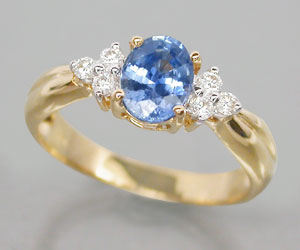
Sapphires make great gifts for anyone born in September or celebrating a 5th or 45th wedding anniversary.
You can't go wrong with this colorful gemstone, whether you're looking for classic blue or another shade of the sapphire rainbow. Read more about sapphire gemstones below.
Sapphire
Basic facts:
Month stone: September
Origin (most important): Australia, India, Cambodia, Kenya, China, Madagascar, Nigeria, Sri Lanka, Tanzania, Thailand & Vietnam
Colors: All except red (red corundum is classified as ruby)
Family: Corundum: Al2O3
Hardness: 9
Refractive Index: 1.76 – 1.78
Specific Gravity: 3.97 – 4.05
Treatment: Often treated with heat, but other types also occur to a lesser degree
Sapphire gets its name from the Latin word sapphirus (blue) and is often referred to as the gem of heavens because its colors reflect the color of the sky at different times of the day.
Myths and Legends:
Blue is a favorite color among both men and women and is the color that psychologically links to feelings such as sympathy, calm and loyalty. According to legend, Prometheus (arch-rival of Zeus) was the first person to wear sapphire. According to legend, he stole this gem from Cacaus.
The Persians believed that sapphires were a chip of the pedistal that held up the earth and that its reflection gave color to the heavens. Sapphire is mentioned in the Bible as one of the 12 stones of fire (Ezekiel 28:13-16) given to Moses and later included in Aaron's breastplate (Exodus 28:15-30). Sapphire is also one of 12 precious stones set in the foundation of Jerusalem's city walls (Revelation 21:19).
Sapphire facts:
Although sapphires come in all possible colors, it is the blue sapphire that is traditionally the most sought after. Sapphires are identical to rubies except for one thing, the color (the red stones are called rubies). Sapphires get their color from small components of iron and titanium. The name corrundum (corundum) is believed to come from 3 ancient Tamil, Hindi and Sanskrit words for rubies and sapphires, kurundam, kurund and kuruvinda.
Personal preference of course plays an important role in choosing a gemstone's color, but historically, a medium blue (royal blue) sapphire is the most sought after. Sapphire is one of the hardest gemstones available, only diamonds are harder.
Star effect is a reflection that occurs on stones that have channel or spring-like rutile inclusions. These can sometimes create a star effect which makes the stone more attractive and valuable.
Sapphires from different parts of the world can vary slightly in appearance. Some of the more common sapphires are listed below.
Australian Sapphire:
Some of the world's largest sapphire deposits are found in Australia. Although top quality Australian sapphires cannot be compared to the very finest Ceylon or Madagascar sapphires, they are highly sought after. Sapphires have been mined for over 100 years in Australia. The majority of sapphires are found in 3 different areas: Anakie in central Queensland, Lava Plains in northern Queensland and New England around Inverell in north eastern New South Wales.
During the 1980s, Australia produced about 70% of the entire world production of sapphires. Although this has declined, demand for Australian sapphires is still very high.
Ceylon sapphires (Sri Lanka):
Sri Lanka has long been known as a place where very high quality gemstones have been found. It is believed that the first place where sapphires were mined was precisely Sri Lanka. Sapphires from Sri Lanka first appeared in jewelry among the Etruscans (600-275 BC) and were widely used among the Greeks and Romans from around 480 BC onwards.
In Sri Lanka, most sapphires are found in Elahera and Ratnapura (which roughly means the city of gems). Sapphires have been mined in Ratnapura for over 2500 years. Based about 10 miles southeast of Sri Lanka's capital Colombo, Ratnapura has the largest deposits of sapphires in Sri Lanka. Here, sapphires are usually found among gravel and sand around 10-30 meters underground. Known for its blue carnation sapphires, Sri Lankan sapphires have always been associated with high quality. Sri Lankan sapphires became immensely popular in 1981 thanks to Prince Charles giving Lady Diana an engagement ring with a stunningly beautiful 18 carat Sri Lankan blue sapphire.
Another very beautiful and rare sapphire from Sri Lanka is the Padparadscha sapphire. One of the most sought after and valuable sapphires available, the name Padparadscha comes from its resemblance to the exotic red/orange/pink Padparadscha flower (botanical name Nelumbo Nucifera Speciosa) found in Sri Lanka. Although many sapphires such as Padparadscha are sold nowadays from other countries (such as Madagascar), only sapphires from Sri Lanka are the real thing!
Kanchanaburi sapphires (Thailand):
Kanchanaburi is probably best known for the bridge over the River Kway, but very beautiful sapphires are also found here. Kanchanaburi's Bo Ploi mines were opened in 1918 and during the 20th century were one of the world's largest producers of blue sapphires. In recent years, however, production has decreased, which has meant that sapphires from the Bo Ploi mines are becoming more and more sought after.
Madagascar Sapphires:
Today, Madagascar produces very high quality sapphires, but it wasn't until the early 1990s that sapphires were actually found in Madagascar. Up to 20% of the entire world production of sapphires is now estimated to come from Madagascar. The majority of sapphires are mined in Ilakaka, but also in Andranondambo, Andrebabe and Diego Suarez.
Nigeria sapphires:
Nigeria may not be well known among gem lovers, but Nigeria produces a large number of very beautiful sapphires. The most famous area is Nisama Jama in Kaduna region.
Pailin Sapphires (Cambodia)
The Cambodian town of Pailin (ancient Khmer word for blue sapphire) is steeped in local folk beliefs towards their treasures.
A legend is that the people hunting in the forests around Pailin met a magical old lady called Yiey Yat (yiey means grandmother in Khmer) who lived as a recluse in the mountains. She feared for the local wildlife and so she told the villagers that if they stopped hunting, the gods would reward them with something of far greater value in the streams and rivers from Mount Yat. The villagers went there and saw an otter (pey in Khmer) playing (leng in Khmer) in a stream. The otter swam up to the villagers and opened its mouth which was full of gems. Because of this, the area and the sapphires found there today are called Pey Lang, which translated into Thai became Pailin.
Shangdong Sapphires (China):
Although China has never been seen as a historical place where sapphires were found (sapphires were only mined in the late 1970s), the Chinese people have long known about their treasures. Sapphires are mined in about 20 of China's provinces, but the largest finds are found along the east coast. The very finest sapphires are found in Shangdong province. Sapphires in Shangdong Province were discovered near Wutu, Changle in the late 1980s. Sapphires from China generally have a slightly deeper blue color similar to those from Bang Kah Cha, Chanthaburi and Australian sapphires.
Tanzania Sapphires:
Between the plains of the Serengeti and the Indian Ocean lies one of the most fabulous gem areas in all of Africa, the Umba valley. Incredibly beautiful, very high quality sapphires are found here (many of such good quality that no treatment is needed). Sapphires are also mined in the southern part of Tanzania, around the Tundura area.