
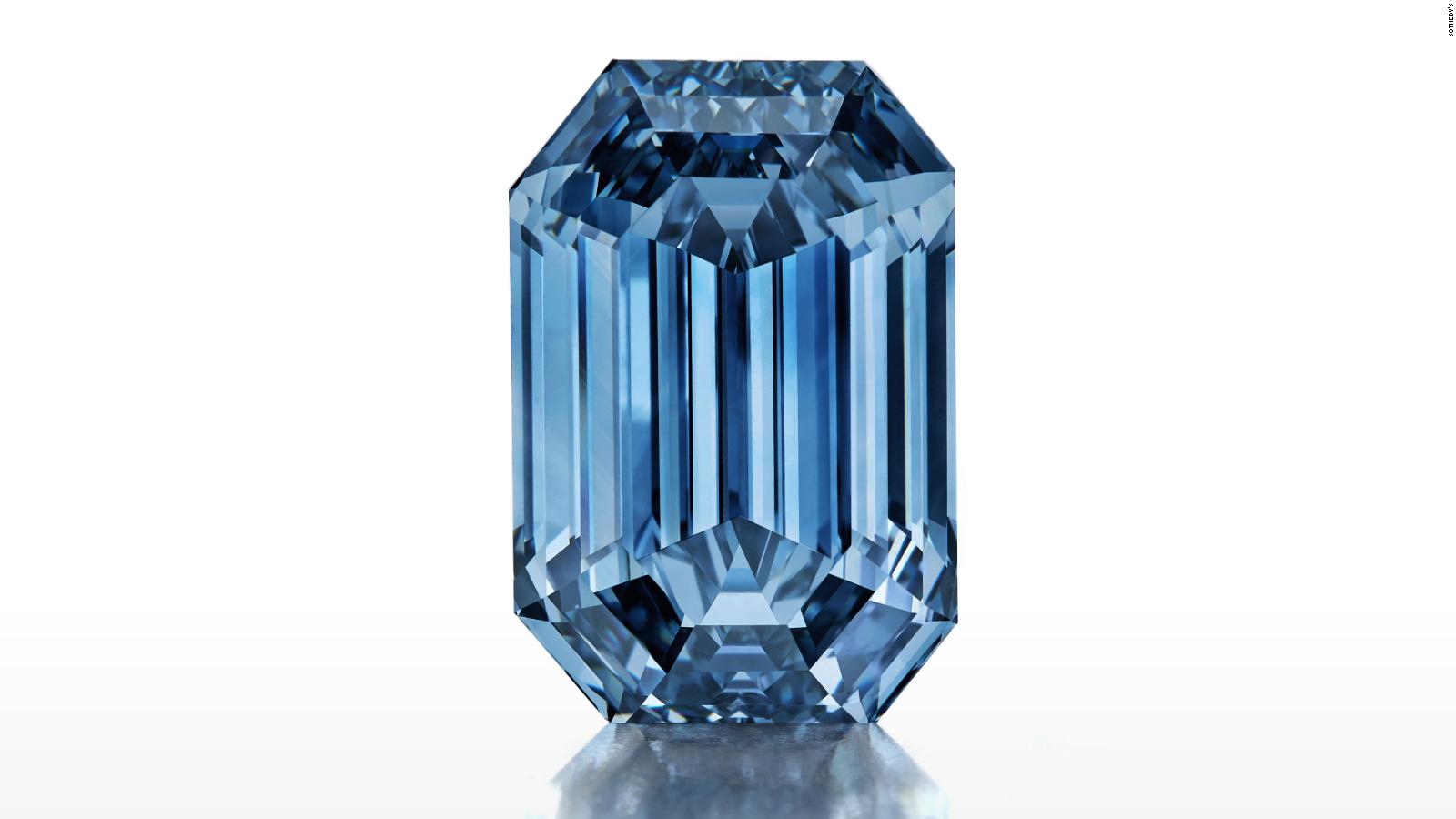
Blue diamonds are considered extremely rare and very valuable. They are among the rarest colors in the diamond family.
How does a blue diamond get its color?
The difference between blue and other colored diamonds is the chemical composition. For blue diamonds, the color comes from boron trapped in the crystal's structure. They are rare, with only about one in 200,000 diamonds showing some blue and far fewer showing deep colors.
How are blue diamonds made?
Like all other fancy colored diamonds, natural blue diamonds are made by nature. Although the process that diamonds go through including cutting and polishing can have an effect on a diamond's color, blue diamonds actually exist with their beautiful blue hue. An impurity called boron, along with nitrogen, is the cause of the color.
How valuable are blue diamonds?
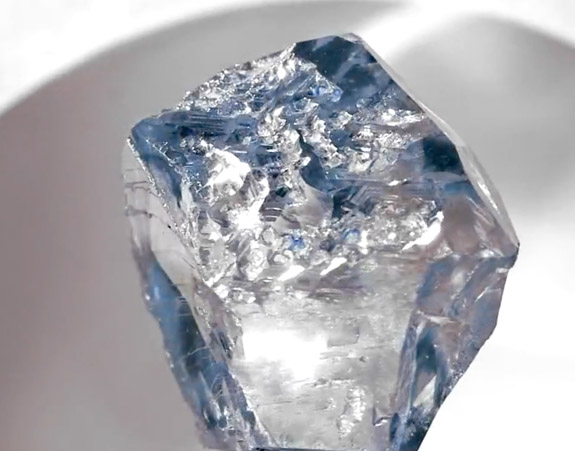
As for the variety of colors available, blue diamonds are among the rarest with violet, pink and red stones. In general, colored diamonds are much rarer than white diamonds, but some colors or more common than others such as yellow and champagne stones. Blue diamonds are type IIb diamonds, which are extremely rare and very highly valued. Most blue diamonds are rare, but very high color intensity blue diamonds that show a deep blue color are the rarest. Of course, large stones are even harder to come by and much more expensive.
The price of blue diamonds
Blue diamonds are more valuable than most colored diamonds, but like all other diamonds, their prices are determined based on the diamond's color, color intensity, size and clarity with an emphasis on color intensity. Blue diamonds are highly sought after by diamond collectors and enthusiasts worldwide. A very small blue diamond can cost a few thousand kroner, and a large one like the Wittelsbach-Graff diamond can cost millions. Because they are so rare, blue diamonds tend to snap up very quickly and fetch very high prices. Still, no diamond collection is complete without a blue diamond.
Where are blue diamonds?
Blue diamonds are only found in a few mines around the world. These mines include the Cullinan mine near Pretoria, South Africa, and the Argyle mine in Australia. Blue diamonds were once mined in India's famous Golconda mine as well.
Blue diamond treatment
All diamonds have been exposed to natural radiation for millennia before man unearthed them, so all colored diamonds have been "irradiated". Irradiated diamonds are genuine diamonds that exhibit an intense color change to blue after being subjected to a strong radiation treatment. Because natural, untreated blue diamonds are so rare and in high demand, irradiation is a laboratory process used to produce the same type of effects or similar color at a much cheaper price.
How can you tell if a blue diamond is real?
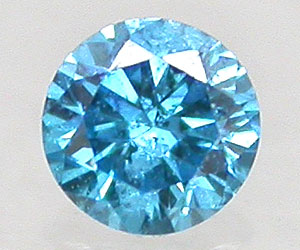
The best way to judge whether a blue diamond is genuine is to have it checked by a gem lab. The process of identifying the telltale signs of a fake requires years of training and experience, as well as the right equipment. However, there is an easy way to tell if a blue diamond is lab grown or mined. If the gemstone glows fluorescent under UV light, it came from a mine. If not, it was probably lab grown. This is not a foolproof method, but a fluorescent reaction to UV serves as solid proof of a blue diamond's authenticity.
How hard is a blue diamond?
Blue diamonds are rated 10 out of 10 on the Mohs scale of mineral hardness, which characterizes the scratch resistance of various minerals by the ability of a harder material to scratch a softer material. The Mohs scale for mineral hardness was created in 1812 by the German geologist and mineralogist Friedrich Mohs.
What are the best jewelry settings for a blue diamond?
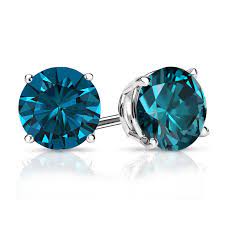
Due to the rarity of blue diamonds, they are usually found in weights below 1 carat. Blue diamonds are very suitable for more stone models of rings and pendants as well as earrings.
Is blue diamond a birthstone?
Blue diamond along with all other diamonds is the birthstone for April. Diamond is also the 60th wedding anniversary stone.
What is the difference between blue diamond and blue sapphire?
The grading scale for blue diamonds varies from faint blue, very light blue, light blue, fancy light blue, fancy blue, fancy intense blue, fancy deep blue, and fancy vivid blue, and derives its color from boron units. As the content of boron increases, so does the intensity of the blue color.
Sapphires can also display a variety of shades, from a pale sky blue to a rich, royal blue. The higher the concentration of titanium in the sapphire, the more saturated the shade. While blue is the most traditional and classic color for sapphire, sapphires actually come in a variety of colors.
Blue diamonds are pure carbon while blue sapphires are made of corundum. Blue sapphires are much softer than blue diamonds, they measure 9 on the Mohs hardness scale while blue diamond measures 10. A blue diamond is also more lustrous and sparkling than a blue sapphire.
How does a blue diamond get its color?
The difference between blue and other colored diamonds is the chemical composition. For blue diamonds, the color comes from boron trapped in the crystal's structure. They are rare, with only about one in 200,000 diamonds showing some blue and far fewer showing deep colors.
How are blue diamonds made?
Like all other fancy colored diamonds, natural blue diamonds are made by nature. Although the process that diamonds go through including cutting and polishing can have an effect on a diamond's color, blue diamonds actually exist with their beautiful blue hue. An impurity called boron, along with nitrogen, is the cause of the color.
How valuable are blue diamonds?
As for the variety of colors available, blue diamonds are among the rarest with violet, pink and red stones. In general, colored diamonds are much rarer than white diamonds, but some colors or more common than others such as yellow and champagne stones. Blue diamonds are type IIb diamonds, which are extremely rare and very highly valued. Most blue diamonds are rare, but very high color intensity blue diamonds that show a deep blue color are the rarest. Of course, large stones are even harder to come by and much more expensive.
The price of blue diamonds
Blue diamonds are more valuable than most colored diamonds, but like all other diamonds, their prices are determined based on the diamond's color, color intensity, size and clarity with an emphasis on color intensity. Blue diamonds are highly sought after by diamond collectors and enthusiasts worldwide. A very small blue diamond can cost a few thousand kroner, and a large one like the Wittelsbach-Graff diamond can cost millions. Because they are so rare, blue diamonds tend to snap up very quickly and fetch very high prices. Still, no diamond collection is complete without a blue diamond.
Where are blue diamonds?
Blue diamonds are only found in a few mines around the world. These mines include the Cullinan mine near Pretoria, South Africa, and the Argyle mine in Australia. Blue diamonds were once mined in India's famous Golconda mine as well.
Blue diamond treatment
All diamonds have been exposed to natural radiation for millennia before man unearthed them, so all colored diamonds have been "irradiated". Irradiated diamonds are genuine diamonds that exhibit an intense color change to blue after being subjected to a strong radiation treatment. Because natural, untreated blue diamonds are so rare and in high demand, irradiation is a laboratory process used to produce the same type of effects or similar color at a much cheaper price.
How can you tell if a blue diamond is real?
The best way to judge whether a blue diamond is genuine is to have it checked by a gem lab. The process of identifying the telltale signs of a fake requires years of training and experience, as well as the right equipment. However, there is an easy way to tell if a blue diamond is lab grown or mined. If the gemstone glows fluorescent under UV light, it came from a mine. If not, it was probably lab grown. This is not a foolproof method, but a fluorescent reaction to UV serves as solid proof of a blue diamond's authenticity.
How hard is a blue diamond?
Blue diamonds are rated 10 out of 10 on the Mohs scale of mineral hardness, which characterizes the scratch resistance of various minerals by the ability of a harder material to scratch a softer material. The Mohs scale for mineral hardness was created in 1812 by the German geologist and mineralogist Friedrich Mohs.
What are the best jewelry settings for a blue diamond?
Due to the rarity of blue diamonds, they are usually found in weights below 1 carat. Blue diamonds are very suitable for more stone models of rings and pendants as well as earrings.
Is blue diamond a birthstone?
Blue diamond along with all other diamonds is the birthstone for April. Diamond is also the 60th wedding anniversary stone.
What is the difference between blue diamond and blue sapphire?
The grading scale for blue diamonds varies from faint blue, very light blue, light blue, fancy light blue, fancy blue, fancy intense blue, fancy deep blue, and fancy vivid blue, and derives its color from boron units. As the content of boron increases, so does the intensity of the blue color.
Sapphires can also display a variety of shades, from a pale sky blue to a rich, royal blue. The higher the concentration of titanium in the sapphire, the more saturated the shade. While blue is the most traditional and classic color for sapphire, sapphires actually come in a variety of colors.
Blue diamonds are pure carbon while blue sapphires are made of corundum. Blue sapphires are much softer than blue diamonds, they measure 9 on the Mohs hardness scale while blue diamond measures 10. A blue diamond is also more lustrous and sparkling than a blue sapphire.