
Turquoise: The Stone of Protection
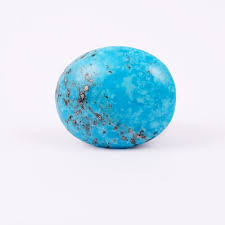
Turquoise, a captivating blue-green mineral, has been prized for thousands of years. It's not just its vibrant color that makes it special; turquoise is also steeped in history and cultural significance, often considered a stone of protection and good fortune. This gemstone is a hydrated phosphate of copper and aluminum, and its unique color is due to the presence of copper. Feel free to browse our selection of loose turquoise gemstones for sale.
Physical Properties of Turquoise
Understanding the physical properties of turquoise helps in identifying and appreciating its quality.
| Property | Description |
|---|---|
| Chemical Formula | CuAl6(PO4)4(OH)8·4H2O |
| Hardness (Mohs Scale) | 5-6 |
| Specific Gravity | 2.6-2.9 |
| Luster | Waxy to vitreous |
| Color | Blue, blue-green, green, yellowish-green |
| Transparency | Opaque |
Turquoise Varieties and Origins
Turquoise varies in color and quality depending on its origin. Some notable sources include:
| Origin | Characteristics |
|---|---|
| Persian (Iranian) Turquoise | Known for its intense, even blue color. Highly valued. |
| American Turquoise (e.g., Arizona, Nevada) | Displays a range of blues and greens, often with matrix patterns. |
| Tibetan Turquoise | Often greenish and may contain visible matrix. |
| Egyptian Turquoise | Historically significant, with a range of blue-green hues. |
Turquoise Treatments and Imitations
Due to its relatively soft nature, turquoise is often treated to enhance its durability and color. Common treatments include:
- Waxing: To improve luster and protect the surface.
- Stabilization: Impregnating the stone with resin to increase hardness.
- Dyeing: To enhance or change the color.
Imitations and synthetic turquoise also exist, so it's essential to purchase from reputable sources.
Frequently Asked Questions (FAQ)
Here are some common questions about turquoise:
What is the meaning of turquoise?
Turquoise gemstone is often associated with protection, good fortune, and tranquility. It's believed to bring peace and ward off negative energy.
How do I care for turquoise jewelry?
Avoid exposing turquoise to harsh chemicals, heat, and ultrasonic cleaners. Clean it gently with a soft cloth and mild soap.
How can I identify genuine turquoise?
Genuine turquoise often has natural variations in color and may contain matrix patterns. A certificate of authenticity from a reputable gemologist is recommended.
Is turquoise a birthstone?
Yes, turquoise is a birthstone for December.
What is the matrix in turquoise?
The matrix refers to the host rock material that remains within the turquoise, creating vein-like or web-like patterns.
Summary
Turquoise is a beautiful and historically significant gemstone cherished for its unique color and protective qualities. Whether admired for its natural beauty or its cultural significance, turquoise continues to captivate and inspire. Understanding its properties, origins, and care ensures that this gemstone can be enjoyed for generations.