
Labradorite: A Gem of Iridescent Beauty
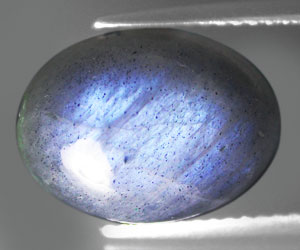
Labradorite is a captivating feldspar mineral known for its remarkable iridescent optical effect called labradorescence. This phenomenon, which displays vibrant flashes of color like blue, green, gold, and orange, occurs due to light refracting within microscopic layers inside the stone. Its base color is typically a dark gray, gray-blue, or black, providing a stunning backdrop for the colorful play of light. Labradorite is found in various locations worldwide, notably in Canada, Madagascar, and Finland. View our loose labradorite gemstones for sale.
Comparison with Other Iridescent Gemstones
While labradorite is renowned for its labradorescence, other gemstones also exhibit iridescence, though through different mechanisms.
| Gemstone | Iridescence Type | Color Range | Rarity |
|---|---|---|---|
| Labradorite | Labradorescence (light refraction) | Blue, green, gold, orange | Common to Rare (high quality) |
| Opal | Play-of-color (light diffraction) | All colors of the spectrum | Common to Rare |
| Moonstone | Adularescence (light scattering) | Blue or white sheen | Common to Rare |
| Mother-of-Pearl | Interference (light interference) | Rainbow-like sheen | Common |
Healing Properties
Labradorite gemstone is often referred to as the "stone of transformation," believed to impart strength and perseverance during times of change. It is associated with:
- Enhancing intuition and psychic abilities.
- Providing protection against negative energies.
- Promoting mental clarity and reducing anxiety.
- Balancing and protecting the aura.
- Grounding spiritual energies and raising consciousness.
Many believe it aids in connecting with higher realms and fostering personal growth.
Rarity & Value
While basic labradorite is relatively common, high-quality specimens exhibiting vibrant, full-spectrum labradorescence are rarer and more valuable. Factors influencing its value include:
- Intensity and range of labradorescence.
- Clarity of the stone.
- Size and cut of the gemstone.
- Presence of rare colors or patterns.
Specimens with a high degree of labradorescence across the entire surface and those with minimal inclusions command higher prices.
Jewelry Tips
Labradorite's unique beauty makes it a versatile gemstone for various jewelry styles. Consider these tips:
- Choose a setting that complements the stone's dark base color and enhances its iridescence.
- Opt for simple designs that allow the labradorescence to be the focal point.
- Labradorite is suitable for pendants, earrings, rings, and bracelets.
- Consider pairing it with other dark-colored gemstones or metals for a dramatic effect.
Cleaning Tips
Proper care is essential to maintain the beauty of labradorite. Follow these cleaning tips:
- Clean with warm, soapy water and a soft cloth.
- Avoid harsh chemicals and ultrasonic cleaners.
- Store separately to prevent scratches from harder gemstones.
- Dry thoroughly after cleaning to prevent water spots.
Frequently Asked Questions (FAQ)
What is labradorescence?
Labradorescence is an iridescent optical effect caused by light refracting within microscopic layers inside labradorite. It creates flashes of color when the stone is viewed from different angles.
How can I identify genuine labradorite?
Genuine labradorite exhibits labradorescence, displaying vibrant flashes of color. Also, the base color is typically dark grey, gray-blue or black. Look for the color shifts when moving the stone under a light source.
Is labradorite a durable gemstone?
Labradorite has a hardness of 6-6.5 on the Mohs scale, making it moderately durable. It's suitable for most jewelry but should be protected from hard blows and scratches.
Can labradorite be treated?
Labradorite is not typically treated. Its beauty comes from its natural optical effect.
What are the best lighting conditions to see labradorescence?
Natural sunlight or a strong directional light source will best reveal labradorescence. Moving the stone under the light will enhance the color flashes.
Summary
Labradorite is a captivating gemstone celebrated for its mesmerizing labradorescence and believed metaphysical properties. Its unique optical effect and versatile beauty make it a popular choice for jewelry and spiritual practices. Proper care and handling will ensure that this gemstone's beauty can be enjoyed for generations.