
Your Friendly Tourmaline Buying Guide
Hey there, gemstone lover! Ready to dive into the vibrant world of tourmaline? This gem is like a rainbow in stone form, with colors ranging from electric blues to fiery pinks. Whether you’re hunting for a sparkly ring or just curious, here’s your go-to guide for finding the perfect tourmaline.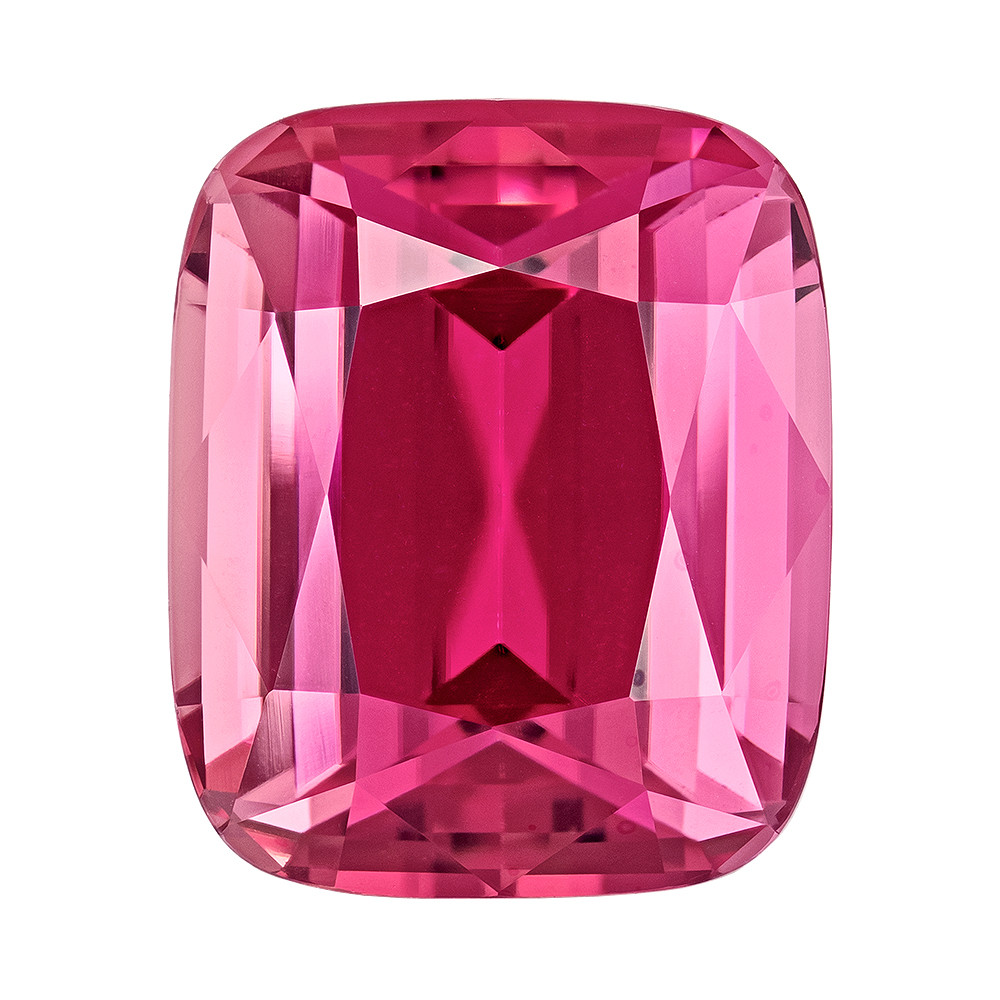
Understanding Tourmaline’s Color: The Star of the Show
Color is where tourmaline steals the spotlight! You’ll find every shade imaginable, from lush greens to deep reds, and even stones with multiple colors, like the funky watermelon tourmaline with its pink and green mix. To help you navigate, here’s a table of the main tourmaline types and what makes each one special:
|
Tourmaline Type |
Color |
Key Features |
Rarity |
|
Pink to red, raspberry-like |
Vibrant, pure reds are prized; may be heat-treated |
Rare in large sizes (>10ct) |
|
|
Verdelite |
Green |
Ranges from mint to forest green; chrome verdelite is extra vivid |
Common, but top-quality is rare |
|
Indicolite |
Blue |
From soft sky blue to deep navy; pure blues are hard to find |
Rare, especially vivid hues |
|
Neon blue-green |
Electric glow from copper content; super pricey |
Extremely rare, especially >2ct |
|
|
Watermelon |
Pink center, green rim |
Bi-color with distinct zones; often sliced for effect |
Moderately rare |
|
Chrome |
Intense green |
Vivid due to chromium; often confused with emerald |
Rare in large sizes |
|
Cat’s Eye |
Various (often green/blue) |
Shows a glowing line from inclusions; cabochon cut |
Very rare |
|
Schorl |
Black |
Opaque, less used in jewelry but great for collectors |
Common |
|
Dravite |
Brown to yellowish-brown |
Earthy tones, sometimes golden |
Moderately common |
When judging color, gem experts look at hue (the basic color), tone (light or dark), and saturation (how vivid it is), per the Gemological Institute of America (GIA). Aim for a pure hue, medium to medium-dark tone, and bold saturation. For example, a rubellite should pop with a rich, raspberry-red vibe, not look brownish or pale.
Pro tip: Check the stone under different lights—daylight, incandescent, you name it. Tourmaline’s pleochroism means it can shift colors depending on the angle or light. Reds love warm bulbs, while blues and greens shine in natural light.
Clarity: What’s Inside Matters
Clarity is about how clean the gem looks. Tourmaline often has tiny inclusions, like little crystals or fractures. For lighter shades like pink or green, go for fewer visible inclusions to keep that clear, sparkly vibe. Darker stones, like indicolite, can hide inclusions better, so a few might not bug you.
Some tourmalines, especially rubellite, are heat-treated or clarity-enhanced to boost their look. That’s okay, but it impacts price, so ask about treatments. Also, watch for rare gems like cat’s eye tourmaline, where inclusions create a glowing line—super cool and collectible!
Cut: Bringing Out the Sparkle
A great cut makes tourmaline shine! It should show off the color evenly, with no dull spots. Tourmaline crystals are long and skinny, so you’ll see cuts like rectangles, emerald shapes, or pears to maximize the rough stone. Thanks to pleochroism, cutters orient darker stones to show lighter colors (often rectangular) and lighter stones to pop the richest hue (think rounds or ovals). Make sure the cut is symmetrical and sparkles from every angle.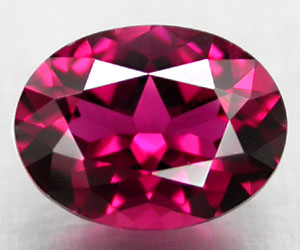
Carat Weight: Size and Style
Tourmaline comes in all sizes, from dainty to bold. Carat weight measures size, but it’s not just about going big—think about style and budget. Paraíba stones over 2 carats are ultra-rare and crazy expensive, while rubellite and chrome tourmaline are scarce above 10 carats. Other types, like verdelite, are easier to find in larger sizes. A smaller, vivid stone might outshine a bigger, less colorful one, especially if inclusions show more in larger gems.
Watch Out for Imitations
Good news: lab-grown tourmaline isn’t a thing yet, so synthetics aren’t an issue. But fakes like glass, apatite, or topaz can pop up. Stick with trusted sellers offering GIA certification. For Paraíba, request a chemical test to confirm copper content—that’s what gives it that neon glow.
Where Do Tourmalines Come From?
Tourmaline is mined globally, with each spot offering unique vibes. Brazil is huge for Paraíba and rubellite. Africa (Tanzania, Kenya, Mozambique) produces vivid colors. Sri Lanka, Afghanistan, and Madagascar also deliver gorgeous stones. Knowing the origin can help you track down your dream gem.
Pricing: What to Expect
Tourmaline prices vary as much as their colors! Common types like verdelite or dravite might run $50–$750 per carat. Rarer ones like rubellite or indicolite can hit $1,000+ per carat. Paraíba? Think tens of thousands per carat for top stones. Focus on vibrant color and clarity for the best bang for your buck.
Tips for Buying Smart
- Shop with Pros: Choose sellers with GIA-certified gemologists, like The Rare Gemstone Company, who source directly from mines.
- Ask Away: Use “Ask a Gemologist” services to get the scoop on treatments or origins.
- Special Orders: Can’t find your perfect stone? Some sellers will hunt one down for you.
- Check Returns: Ensure you can return or exchange if the gem isn’t right.
- Follow Your Heart: Pick a tourmaline that makes you grin, whether it’s a bold indicolite or a soft watermelon slice.
Why Tourmaline Rocks
Tourmaline’s nickname, “gemstone of the rainbow,” comes from an Egyptian legend saying it soaked up a rainbow’s colors on its way from the Earth’s core. Its name, from the Sinhalese “tura mali” (stone with mixed colors), fits perfectly. Ancient Egyptians used it as a talisman, and alchemists thought it was magical because it gets an electric charge when heated (yep, it’s pyroelectric!). It’s an October birthstone, an eighth-anniversary gem, and a total crowd-pleaser.
So, go have fun exploring tourmaline’s colors and find one that lights up your world!
Happy gem hunting!