
Amethyst Buying Guide: Your Path to Finding the Perfect Gem
Hey there, gemstone enthusiasts! If you're on the hunt for a stunning amethyst to add to your collection or jewelry box, you're in for a treat. Amethyst, with its captivating purple hues, is not only a February birthstone but also a versatile gem that’s been cherished for centuries. Whether you're a first-time buyer or a seasoned collector, this guide will walk you through everything you need to know to pick the perfect amethyst. Let’s dive in!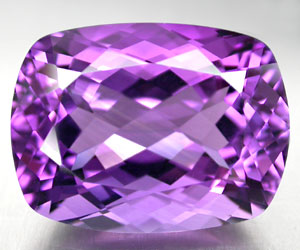
What is Amethyst?
Amethyst is a variety of quartz known for its gorgeous purple shades, ranging from pale lavender to deep violet. It’s been a favorite since ancient times, adorning royal crowns and spiritual artifacts alike. The name comes from the Greek word amethystos, meaning "not intoxicated," as folklore claimed it could ward off drunkenness. Cool, right? Found in places like Brazil, Uruguay, and Zambia, amethyst is a durable gem (7 on the Mohs scale), making it perfect for everyday wear.
Why Choose Amethyst?
Why go for amethyst? For starters, it’s stunning yet affordable compared to gems like sapphire or emerald. Its rich purple tones suit all skin tones and pair beautifully with both silver and gold settings. Plus, it’s got that mystical vibe—often linked to calmness, clarity, and spiritual growth. Whether you’re buying for fashion, meaning, or investment, amethyst checks all the boxes.
The 4Cs of Amethyst: Color, Clarity, Cut, and Carat
Just like diamonds, amethyst quality is judged by the 4Cs. Let’s break them down:
- Color: The star of the show! Top-quality amethysts have a deep, vibrant purple with reddish or bluish undertones, often called "Siberian" or "Deep Russian" amethyst. Avoid stones that are too light (almost colorless) or too dark (almost black). Look for even color distribution without zoning (patchy color bands).
- Clarity: Amethyst is usually eye-clean, meaning no visible inclusions to the naked eye. Check for cracks or cloudy spots, as these can dull the gem’s sparkle. Higher clarity equals better quality.
- Cut: A well-cut amethyst maximizes its brilliance and color. Common cuts include round, oval, cushion, and emerald. Faceted stones are popular for jewelry, while cabochons (smooth, domed cuts) highlight unique inclusions like wispy veils.
- Carat: Amethyst is widely available in large sizes, so carat weight doesn’t drastically affect price like it does for rarer gems. Bigger stones are great for statement pieces, but focus on color and clarity first.
Natural vs. Synthetic Amethyst
Natural amethyst is mined from the earth, but synthetic versions, grown in labs, are common too. Both look nearly identical, but here’s the deal:
- Natural Amethyst: Unique, with natural inclusions that add character. It’s pricier and may have slight imperfections, which some collectors love.
- Synthetic Amethyst: More affordable, often flawless, and eco-friendly. Perfect if you want a big, clean stone on a budget.
Always ask for a certificate from a reputable gem lab (like GIA or AGS) to confirm whether your amethyst is natural or synthetic. Some sellers heat-treat amethyst to enhance color—this is standard and acceptable, but it should be disclosed.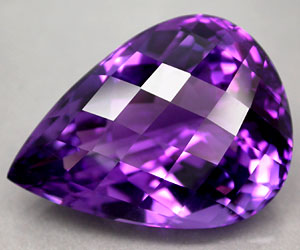
Where to Buy Amethyst
You’ve got options! Here’s where to shop:
- Online Retailers: Sites like Gemsheaven have a wide range of amethyst, often at better prices. Check reviews and return policies.
- Gem Shows: If you’re near a gem show, you can score deals and see stones in person.
Pro tip: Always buy from sellers who provide clear photos, detailed descriptions, and certification for high-value purchases.
How to Spot a Quality Amethyst
Want to make sure you’re getting the real deal? Here’s what to check:
- Color Vibrancy: Look for a rich, saturated purple under natural and artificial light. Avoid washed-out or brownish stones.
- Clarity Check: Hold the stone up to light. Eye-clean stones are ideal; avoid those with obvious cracks or cloudiness.
- Cut Quality: A good cut reflects light evenly. Uneven facets or a “window” effect (where you can see through the stone) scream low quality.
- Certification: For pricier stones, ask for a gemological certificate to verify authenticity and treatment.
- Source Transparency: Reputable sellers disclose the stone’s origin and any treatments.
If you’re buying online, zoom in on photos and ask for videos to see the stone’s sparkle in action.
Amethyst Care and Maintenance
Amethyst is tough but not invincible. Here’s how to keep it shining:
- Cleaning: Use warm water, mild soap, and a soft brush. Avoid harsh chemicals like bleach.
- Storage: Store in a soft pouch or separate jewelry box compartment to prevent scratches from harder gems like diamonds.
- Avoid Heat and Sunlight: Prolonged exposure to sunlight can fade amethyst’s color. Take it off during beach trips or tanning sessions.
- Professional Checkups: For amethyst jewelry, have a jeweler check prongs or settings annually to ensure the stone stays secure.
Price Factors and Budget Tips
Amethyst is budget-friendly, but prices vary based on quality. Here’s what affects cost:
- Color: Deep purple stones with red or blue undertones are priciest. Pale or overly dark stones are cheaper.
- Clarity and Cut: Eye-clean stones with precise cuts command higher prices.
- Size: Larger stones cost more, but amethyst’s abundance keeps prices reasonable.
- Origin: Amethysts from Uruguay or Siberia may cost more due to their reputation for rich color.
- Natural vs. Synthetic: Natural stones are pricier than lab-grown ones.
Budget Tips:
- Go for slightly smaller stones with great color over large, low-quality ones.
- Consider synthetic amethyst for a flawless look at a fraction of the cost.
- Shop during sales or at gem shows for discounts.
- Set a budget and prioritize color and clarity over carat weight.
Expect to pay $5–$50 per carat for good-quality amethyst, with premium stones hitting $100+ per carat for exceptional color and clarity.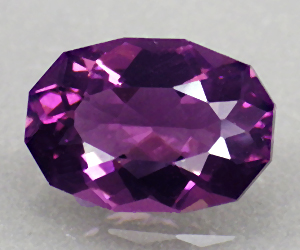
Summary
Amethyst is a fantastic choice for anyone seeking beauty, affordability, and versatility in a gemstone. By focusing on the 4Cs—color, clarity, cut, and carat—you can find a stone that dazzles. Decide between natural and synthetic based on your budget and values, and always buy from reputable sources with transparent practices. With proper care, your amethyst will stay vibrant for years. Whether it’s a delicate pendant or a bold cocktail ring, your amethyst will be a showstopper!
FAQs
Q: Is amethyst a good gem for everyday wear?
A: Absolutely! With a Mohs hardness of 7, amethyst is durable enough for daily wear in rings, necklaces, or earrings, as long as you protect it from hard knocks or abrasive surfaces.
Q: How can I tell if my amethyst is real?
A: Check for natural inclusions under a jeweler’s loupe, ask for a gemological certificate from a reputable lab like GIA, or have a jeweler test it. Synthetic amethysts are often too perfect, lacking the subtle flaws of natural stones.
Q: Does amethyst fade over time?
A: Prolonged exposure to sunlight or intense heat can cause fading, especially in lower-quality stones. To keep its vibrant purple, store your amethyst properly and avoid leaving it in direct sun for extended periods.
Q: Are darker amethysts always better?
A: Not always. The best amethysts have a rich, vibrant purple with good saturation and even color distribution. Stones that are too dark can look dull and lose their sparkle, so aim for a balance of depth and brilliance.
Q: Can I buy amethyst as an investment?
A: Amethyst isn’t typically a high-value investment like diamonds or rare gems due to its abundance. However, exceptional stones—think deep purple, high-clarity pieces from premium sources like Uruguay or Siberia—can hold or slightly increase in value over time. If you’re buying for investment, prioritize top-quality natural stones with certification, but don’t expect huge returns.
Q: What’s the difference between amethyst and citrine?
A: Both are varieties of quartz, but amethyst is purple, while citrine is yellow to orange. Interestingly, some citrine is actually heat-treated amethyst! Natural citrine is rarer, but both gems share similar durability and affordability.
Q: Can I wear amethyst with other gemstones?
A: Totally! Amethyst’s purple hue pairs beautifully with gems like white topaz, citrine, or peridot for a pop of color. Just avoid storing it with harder gems like diamonds or sapphires, which could scratch it.
Q: How do I know if my amethyst has been treated?
A: Most amethysts are heat-treated to enhance color, which is a standard and accepted practice. Reputable sellers should disclose treatments. Ask for a certificate or buy from trusted sources to ensure transparency.