Ruby Buying Guide: Everything You Need to Know to Pick the Perfect Gem
Hey there, ruby enthusiast! Whether you're hunting for a dazzling ruby for an engagement ring, a statement necklace, or just because you love that fiery red glow, this guide is your go-to resource. Rubies are more than just pretty stones—they’re symbols of passion, power, and timeless beauty. But buying one can feel overwhelming with all the choices out there. Don’t worry, I’ve got you covered. Let’s walk through everything you need to know to find a ruby that’s as vibrant as your personality.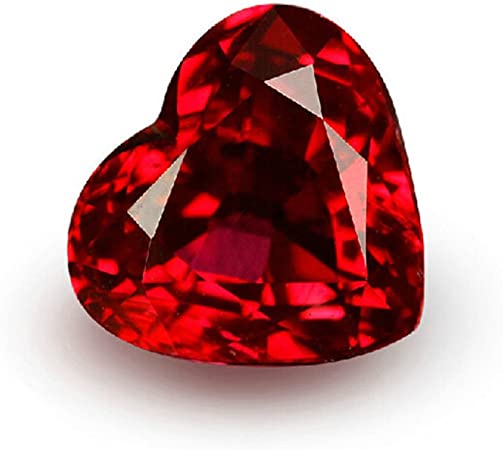
Table of Contents
- What Makes Rubies Special?
- The 4Cs of Rubies
- Color
- Clarity
- Cut
- Carat Weight
- Natural vs. Synthetic Rubies
- Treatments and Enhancements
- Where Rubies Come From
- Certification and Authenticity
- Setting and Jewelry Styles
- Budget Considerations
- Caring for Your Ruby
- Summary
- FAQs
What Makes Rubies Special?
Rubies have been stealing hearts for centuries. Known as the “King of Gems,” they’re a variety of the mineral corundum, colored by trace amounts of chromium that give them their signature red hue. That rich, fiery color has made them a favorite in royal crowns, Hollywood jewels, and everyday treasures. But it’s not just about looks—rubies score a 9 on the Mohs scale of hardness, making them super durable for daily wear. Whether you’re drawn to their vibrant color or their historical mystique (ancient cultures believed they held protective powers), rubies are a bold choice.
The 4Cs of Rubies
Just like diamonds, rubies are judged by the 4Cs: Color, Clarity, Cut, and Carat Weight. Let’s break them down so you know exactly what to look for.
Color
Color is the star of the show with rubies. The best rubies have a vivid, saturated red with a hint of purple or pink, often called “pigeon’s blood” red (fancy, right?). Here’s what to consider:
- Hue: The primary color. Top rubies are pure red, but you might see pinkish or purplish tones.
- Saturation: How intense the color is. Look for vibrant, not washed-out, reds.
- Tone: How light or dark the ruby is. Medium to medium-dark tones are usually the most desirable.
Pro tip: Hold the ruby under natural light to see its true color. Avoid stones that look too brownish or overly dark—they’re less valuable.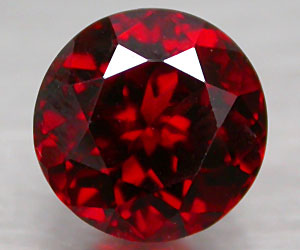
Clarity
Rubies almost always have inclusions (tiny imperfections inside the stone). Unlike diamonds, where clarity is a big deal, rubies are more forgiving. A “clean” ruby with no visible inclusions is rare and pricey. Look for stones that are eye-clean—meaning no flaws are visible to the naked eye. Inclusions can even add character, as long as they don’t dull the sparkle.
Cut
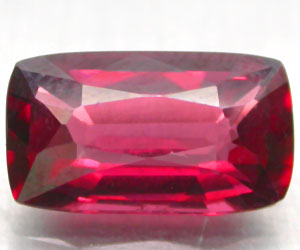
The cut affects how the ruby catches the light and shows off its color. Rubies are often cut into ovals, cushions, or rounds to maximize their brilliance. A good cut will make the stone look lively and even in color. Poorly cut rubies might have “windows” (see-through areas) or uneven facets, which can make them look dull. Ask to see the ruby from different angles to check its sparkle.
Carat Weight
Carat measures the ruby’s size. Bigger rubies are rarer, so prices jump significantly as carat weight increases. A 1-carat ruby is a solid choice for most jewelry, but if you’re going for a showstopper, a 2- or 3-carat stone can make a statement. Just know that a high-quality 1-carat ruby often looks better than a larger, lower-quality one.
Natural vs. Synthetic Rubies
You’ll come across two types of rubies: natural and synthetic. Here’s the lowdown:
- Natural Rubies: Mined from the earth, these are the real deal. They’re rarer, more expensive, and come with unique inclusions that prove their authenticity.
- Synthetic Rubies: Lab-grown rubies have the same chemical makeup as natural ones but are made in a controlled environment. They’re more affordable and often flawless, but they don’t have the same “soul” or investment value.
If you’re after something special, go for a natural ruby. If budget is a concern, synthetics are a great option for vibrant color without breaking the bank.
Treatments and Enhancements
Most rubies on the market are treated to improve their color or clarity. Common treatments include:
- Heat Treatment: Enhances color and clarity by heating the stone. This is standard and widely accepted, as it’s stable and doesn’t affect durability.
- Glass Filling: Fills cracks with lead glass to improve clarity. These rubies are cheaper but less durable, and the treatment can wear over time.
- Diffusion: Adds chemicals to enhance color. Less common and can be less stable.
Always ask about treatments—they should be disclosed by reputable sellers. Untreated rubies are rare and command premium prices, but heat-treated ones are still high-quality and more budget-friendly.
Where Rubies Come From
Rubies are mined in places like Myanmar (Burma), Thailand, Sri Lanka, Madagascar, and Mozambique. Each region produces slightly different stones:
- Myanmar: Famous for “pigeon’s blood” rubies with intense red color. These are the most sought-after (and pricey).
- Mozambique: A newer source with vibrant, high-quality rubies that rival Myanmar’s.
- Thailand and Sri Lanka: Often produce lighter or pinkish rubies, sometimes classified as pink sapphires.
- Madagascar: Known for a range of colors, from deep red to pinkish.
Origin can affect price and appeal, so ask where the ruby is from. A certificate from a reputable lab can confirm the origin.
Certification and Authenticity
Speaking of certificates, always buy a ruby with a gemological certificate from a trusted lab like GIA, AGS, or IGI. This document verifies the ruby’s authenticity, origin, treatments, and quality (4Cs). It’s like a birth certificate for your gem. Avoid sellers who can’t provide one—it’s a red flag. If you’re buying online, check reviews and ensure the seller has a return policy in case the stone doesn’t match the cert.
Setting and Jewelry Styles
Rubies shine in all kinds of jewelry, from rings to pendants to earrings. Here are some popular settings:
- Solitaire: A single ruby in a simple setting—perfect for showing off the stone.
- Halo: A ring of smaller diamonds or gems around the ruby for extra sparkle.
- Vintage: Intricate designs with filigree or milgrain details for a classic look.
- Modern: Sleek, minimalist settings that let the ruby’s color pop.
Gold (yellow or white) pairs beautifully with rubies, but platinum adds a cool, modern vibe. If you’re buying a ring, make sure the setting protects the ruby’s edges, as they can chip under heavy wear.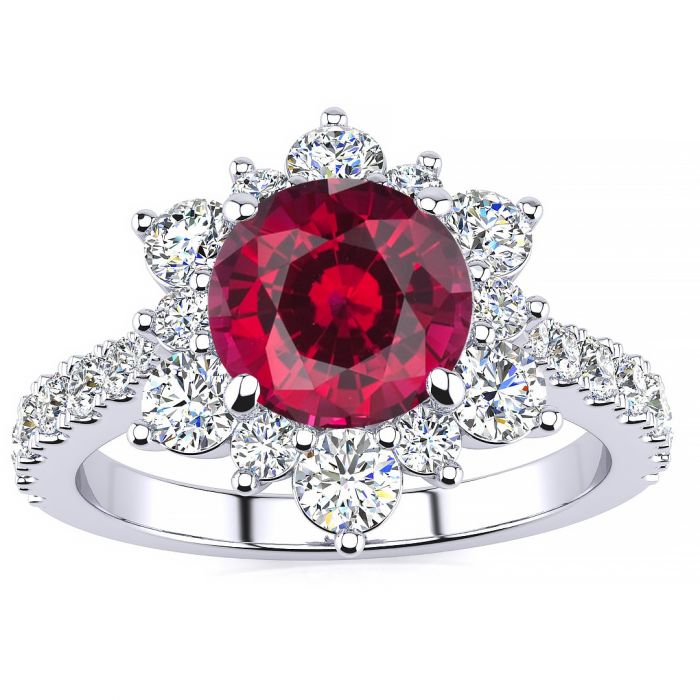
Budget Considerations
Rubies range from a few hundred dollars to tens of thousands, depending on quality and size. Here’s a quick guide:
- Under $1,000: Smaller (under 1 carat) or lower-quality natural rubies, or high-quality synthetics.
- $1,000–$5,000: Good-quality 1- to 2-carat rubies, often heat-treated, from reputable sources.
- $5,000+: Larger or untreated rubies, especially from Myanmar, with top color and clarity.
Set a budget and prioritize color over size for the best value. Compare prices from multiple jewelers, and don’t be afraid to negotiate, especially at local stores.
Caring for Your Ruby
Rubies are tough, but they still need love. Here’s how to keep them sparkling:
- Cleaning: Use warm water, mild soap, and a soft brush. Avoid ultrasonic or steam cleaners, especially for treated rubies.
- Storage: Keep rubies in a soft pouch or separate compartment to avoid scratches from other gems.
- Wear: Remove ruby jewelry during heavy activities like sports or gardening to prevent chips.
With proper care, your ruby will stay vibrant for generations.
Summary
Buying a ruby is all about finding the right balance of color, clarity, cut, and carat weight to suit your style and budget. Focus on color—it’s the heart of a ruby’s value. Decide between natural and synthetic based on your priorities, and always check for treatments and certifications. Whether you’re splurging on a Myanmar gem or picking a budget-friendly lab-grown ruby, you’re investing in a piece of timeless beauty. Take your time, compare options, and choose a ruby that makes your heart skip a beat.
FAQs
Q: What’s the best way to spot a fake ruby?
A: Look for a gemological certificate from a reputable lab like GIA. If you’re eyeballing it, check for unnatural color (too bright or uniform) or bubbles, which are common in glass imitations. When in doubt, consult a jeweler.
Q: Are treated rubies less valuable?
A: Heat-treated rubies are still valuable and widely accepted. Glass-filled or heavily treated rubies are less valuable and less durable, so always ask about treatments.
Q: How do I know if a ruby is a good deal?
A: Compare prices for similar quality (check the 4Cs) from multiple sellers. A certificate ensures you’re getting what you pay for. If it’s too cheap, it might be synthetic or heavily treated.
Q: Can I wear a ruby ring every day?
A: Absolutely! Rubies are durable (9 on the Mohs scale), but choose a secure setting and avoid heavy impact activities to prevent chips.
Q: Should I buy a ruby online or in-store?
A: Both work, but online offers more options and often better prices. Just ensure the seller provides a certificate, clear photos, and a return policy. In-store lets you see the stone in person, which is great for color.