
Topaz Buying Guide: Everything You Need to Know Before Buying
Hey there, gemstone enthusiasts! If you're eyeing a sparkly topaz for your next jewelry piece, you're in for a treat. Topaz is a stunning gemstone that comes in a variety of colors and styles, making it a favorite for everyone from casual buyers to serious collectors. But with so many options—like sky blue, Swiss blue, London blue, white, and mystic topaz—it can feel a bit overwhelming. Don’t worry, though! This guide is here to walk you through everything you need to know to pick the perfect topaz with confidence. Let’s dive in!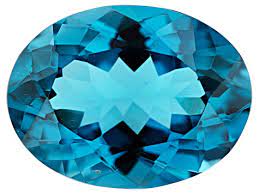
Table of Contents
- What Is Topaz?
- Types of Topaz
- Factors to Consider When Buying Topaz
- Caring for Your Topaz
- Where to Buy Topaz
- Summary
- FAQs
What Is Topaz?
Topaz is a natural gemstone known for its brilliance and versatility. It’s a silicate mineral, often found in igneous rocks, and comes in a range of colors, though blue and colorless (white) are the most popular in jewelry. Topaz has a hardness of 8 on the Mohs scale, making it durable enough for everyday wear but not as tough as diamonds or sapphires. Its affordability and variety make it a go-to for statement necklaces, elegant rings, or dainty earrings.
Fun fact: Topaz is November’s birthstone, so it’s a perfect gift for those fall birthdays! Curious about the different types? Let’s explore them next. Jump to Types of Topaz.
Types of Topaz
Topaz comes in several varieties, each with its own vibe. Whether you’re into soft pastels, deep hues, or iridescent sparkles, there’s a topaz for you. Here’s the breakdown.
Blue Topaz: Sky, Swiss, and London
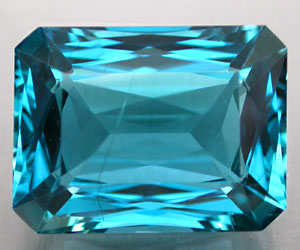
Blue topaz is the rockstar of the topaz family, and it’s no surprise why—it’s vibrant, affordable, and looks amazing in any setting. Most blue topaz is heat-treated or irradiated to achieve its stunning colors, but don’t let that scare you; it’s a standard and safe practice. There are three main shades:
- Sky Blue Topaz: Think of a clear summer sky. This light, airy blue is subtle and perfect for delicate, everyday pieces. It’s the softest of the blues and often the most affordable.
- Swiss Blue Topaz: This is a bold, electric blue that pops. It’s vibrant and eye-catching, making it ideal for statement jewelry. It’s a bit pricier than sky blue but still a great value.
- London Blue Topaz: The deepest of the bunch, London blue has a rich, inky hue with a hint of green. It’s sophisticated and perfect for elegant, evening-ready designs. It’s typically the most expensive of the blue topaz varieties.
Want to know more about other topaz types? Check out White Topaz or Mystic Topaz.
White Topaz
White topaz, also called colorless topaz, is the natural, untreated form of the gem. It’s crystal-clear and sparkles like a diamond, making it a budget-friendly alternative for those who love a classic, transparent look. White topaz is super versatile—it works in any jewelry style, from minimalist studs to intricate vintage designs. Its neutral color also pairs well with other gemstones. Curious about something more colorful? See Mystic Topaz.
Mystic Topaz
Mystic topaz is the wild child of the topaz family. It’s treated with a special coating that gives it a rainbow-like, iridescent effect. The gem shimmers with greens, purples, pinks, and blues, depending on the light. It’s a head-turner, perfect for those who want something unique. Keep in mind, though, that the coating can be delicate, so mystic topaz needs a bit of extra care. Want tips on keeping it shiny? Head to Caring for Your Topaz.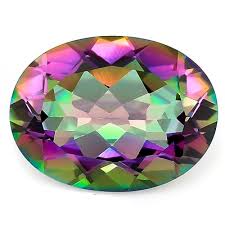
Factors to Consider When Buying Topaz
Picking the right topaz isn’t just about choosing a pretty color (though that’s a big part!). Here are the key factors to keep in mind to ensure you get the best gem for your money.
Color
Color is king when it comes to topaz. Blue topaz varieties (sky, Swiss, and London) are the most popular, but the intensity of the hue affects the price. For example, a deep London blue will cost more than a pale sky blue. White topaz should be as colorless as possible, while mystic topaz is all about that vibrant, multi-colored sheen. Always view the gem in different lighting to see how it sparkles.
Clarity
Topaz is generally pretty clean, meaning it has few inclusions (tiny imperfections inside the gem). Look for stones that are “eye-clean,” meaning no visible flaws to the naked eye. White topaz, in particular, should be crystal-clear to maximize its brilliance.
Cut
The cut determines how much a topaz sparkles. A well-cut topaz will reflect light beautifully, enhancing its color and brilliance. Common cuts include round, oval, pear, and cushion. If you’re buying for jewelry, make sure the cut suits the setting—round cuts are great for rings, while pear or oval cuts shine in pendants.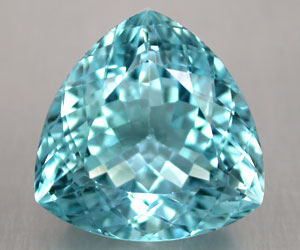
Carat Weight
Topaz comes in a range of sizes, and larger stones are relatively affordable compared to other gems like sapphires. However, bigger isn’t always better—focus on a size that suits your jewelry and budget. A 1-carat topaz will look stunning in a ring, while larger stones (3+ carats) are great for pendants or statement pieces.
Treatment
Most topaz on the market is treated to enhance its color. Blue topaz is almost always irradiated or heat-treated, and mystic topaz has a special coating. These treatments are standard and don’t affect the gem’s beauty, but untreated topaz (like some white topaz) can be more valuable to collectors. Always ask about treatments when buying.
Need tips on keeping your topaz looking its best? Check out Caring for Your Topaz.
Caring for Your Topaz
Topaz is durable but not indestructible. To keep it sparkling:
- Clean it gently: Use warm, soapy water and a soft brush. Avoid harsh chemicals, especially with mystic topaz, as they can damage the coating.
- Avoid heat and impact: Topaz can chip or crack if dropped, and sudden temperature changes can cause damage.
- Store carefully: Keep topaz jewelry in a soft pouch or separate compartment to avoid scratches from harder gems like diamonds.
Want to know where to find the best topaz? Head to Where to Buy Topaz.
Where to Buy Topaz
You’ve got options when it comes to buying topaz:
- Online Retailers: Sites like Gemsheaven.se offer a wide selection of topaz gems and jewelry. Read reviews and check for certifications.
- Gem Shows: If you want to see topaz in person, gem shows are a great place to find unique stones and deals from trusted vendors.
Always buy from reputable sellers and ask for details about treatments, origin, and certifications. Ready to wrap this up? See the Summary.
Summary
Topaz is a versatile, affordable gemstone that comes in a range of stunning varieties, from the soft sky blue to the bold London blue, colorless white topaz, and vibrant mystic topaz. When buying, consider the color, clarity, cut, carat weight, and any treatments to ensure you get the best value. With proper care, your topaz jewelry can stay dazzling for years. Whether you’re shopping for a November birthstone, a unique gift, or a treat for yourself, topaz is a fantastic choice that won’t break the bank. Got questions? Check out the FAQs below!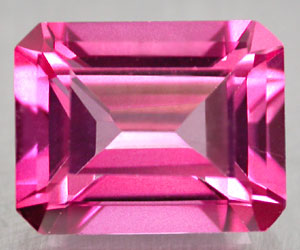
FAQs
Q: Is blue topaz natural?
A: Blue topaz is usually natural topaz that’s been treated with irradiation or heat to achieve its vibrant blue color. Untreated blue topaz is rare and less common in jewelry. Learn more about treatments.
Q: How durable is topaz for everyday wear?
A: With a hardness of 8 on the Mohs scale, topaz is durable enough for daily wear in rings, earrings, or pendants, but it can chip if mishandled. See care tips.
Q: What’s the difference between sky, Swiss, and London blue topaz?
A: Sky blue is the lightest, Swiss blue is a vibrant medium blue, and London blue is the deepest, with a slightly greenish hue. Read more about blue topaz.
Q: Is mystic topaz durable?
A: Mystic topaz is durable but has a delicate coating that can wear off if not cared for properly. Avoid harsh chemicals and store it carefully. Check care tips.
Q: Where’s the best place to buy topaz?
A: Online retailers like Gemsheaven.se or gem shows are great options. Always verify the seller’s reputation and ask about treatments. See where to buy.