
Ametrine Buying Guide: Everything You Need to Know
Hey there, gemstone enthusiasts! If you’re on the hunt for a unique, vibrant gem that combines the best of two worlds, let me introduce you to ametrine. This stunning stone, with its mesmerizing blend of amethyst’s purple and citrine’s golden hues, is a showstopper. But before you dive into buying one, let’s walk through everything you need to know to make a smart purchase. From understanding its origins to spotting a quality piece, this guide has got you covered.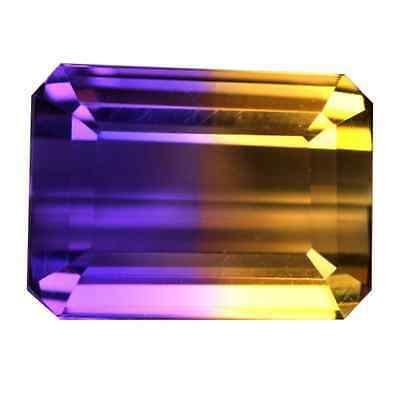
Table of Contents
What is Ametrine?
Ametrine is like nature’s way of showing off. It’s a naturally occurring gemstone that’s a mix of amethyst (purple) and citrine (yellow to golden). Both are varieties of quartz, and ametrine gets its unique look from a combination of the two, often displaying distinct color zones in a single stone. Most ametrine comes from Bolivia, particularly the Anahí Mine, though small deposits have been found elsewhere.
This gem is relatively rare in its natural form, which makes it a favorite for collectors and jewelry lovers who want something a little different. Its dual-color vibe gives it a one-of-a-kind appeal, perfect for statement pieces or everyday wear.
Why Choose Ametrine?
Why go for ametrine? For starters, it’s a conversation piece. The way the purple and gold blend (or stay distinctly separate) makes every stone visually striking. Plus, it’s versatile—ametrine looks great in everything from bold cocktail rings to delicate pendants. It’s also more affordable than many other gemstones with similar wow-factor, like sapphires or emeralds.
On top of that, ametrine has a hardness of 7 on the Mohs scale, making it durable enough for daily wear. Whether you’re drawn to its beauty, its affordability, or its symbolic balance of amethyst’s calm and citrine’s energy, ametrine’s got a lot going for it.
Factors to Consider When Buying Ametrine
Picking the perfect ametrine isn’t just about falling in love with its colors (though that’s a big part!). Here’s a breakdown of the key factors to keep in mind.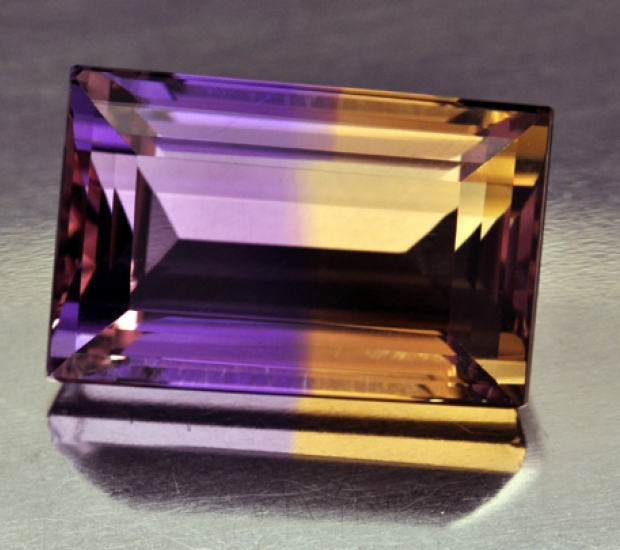
Color and Zoning
Ametrine’s signature feature is its bicolor zoning—the way purple and yellow/gold split or blend in the stone. The best ametrines have a clear, even division between the two colors, with vibrant, saturated hues. Look for:
- Deep purple (like amethyst at its finest) paired with rich golden-yellow (think citrine in full glow).
- A sharp or balanced transition between colors rather than a muddy mix.
- Avoid stones where one color dominates too much unless that’s the look you’re going for.
Clarity
Like most quartz varieties, ametrine is typically eye-clean, meaning no visible inclusions to the naked eye. Check for:
- Clarity under good lighting. Minor inclusions are okay, but large cracks or cloudy patches can detract from the stone’s beauty.
- Be wary of overly “perfect” stones at super low prices—they might be synthetic.
Cut
The cut can make or break an ametrine’s appearance. A good cut highlights the color zoning and maximizes sparkle. Popular cuts include:
- Faceted cuts (like round, oval, or emerald) to show off the bicolor effect.
- Custom cuts that play with the color split, like checkerboard or concave cuts.
- Avoid poorly cut stones with uneven facets or “windows” (see-through areas that dull the sparkle).
Carat Weight
Ametrine comes in a range of sizes, and larger stones are more common than with other gems because quartz is abundant. However:
- Larger stones (5+ carats) often show off the color zoning better.
- Bigger doesn’t always mean better—focus on color and cut quality over size alone.
Origin and Sourcing
Most ametrine comes from Bolivia, and stones from the Anahí Mine are highly prized for their quality. Ask about the stone’s origin, and opt for sellers who provide transparent sourcing info. Ethical sourcing is a bonus—look for vendors who prioritize fair trade practices.
Treatments and Synthetics
Natural ametrine is rare, but some stones are heat-treated or lab-grown:
- Heat treatment: Some amethyst is heated to mimic citrine’s color, creating an ametrine-like effect. This is common and acceptable, but it should be disclosed.
- Synthetics: Lab-grown ametrine is cheaper and often flawless but lacks the value of natural stones. Always ask if the stone is natural or synthetic.
How to Spot a Quality Ametrine
Want to know if you’re getting the real deal? Here’s a quick checklist:
- Color balance: Look for vibrant, distinct purple and yellow zones. Avoid washed-out or overly blended colors.
- Clarity: Eye-clean stones are ideal. Use a loupe if you’re unsure about inclusions.
- Cut quality: Check for symmetry and sparkle. The cut should enhance the bicolor effect.
- Certification: Reputable sellers may provide a gemological certificate (e.g., from GIA or AGS) confirming the stone’s authenticity and whether it’s natural or treated.
- Price: If it’s too cheap, it’s probably synthetic or low-quality. Compare prices from trusted vendors.
Pro tip: Hold the stone under natural light or a jeweler’s light to see how the colors pop. If it looks dull, keep shopping.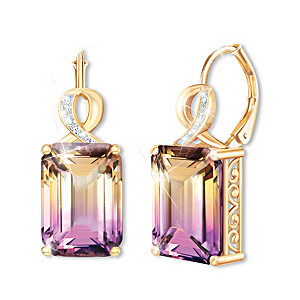
Ametrine Pricing
Ametrine is generally affordable compared to gems like sapphire or ruby. Prices depend on quality, size, and whether the stone is natural or synthetic:
- Low-end: $5–$15 per carat for smaller or less vibrant stones.
- Mid-range: $15–$50 per carat for good color and clarity.
- High-end: $50–$100+ per carat for large, vibrant, natural stones from Bolivia.
- Jewelry: Ametrine set in sterling silver or gold can range from $50 for simple pieces to $500+ for high-end designs.
Always compare prices from multiple sellers, and don’t be afraid to ask about treatments or origin to ensure you’re getting fair value.
Where to Buy Ametrine
Ready to shop? Here are some tips on where to find quality ametrine:
- Online retailers: Trusted sites like Gemsheaven.se offer a wide range. Look for detailed descriptions and return policies.
- Gem shows: Events like the Tucson Gem Show are great for finding unique stones directly from dealers.
- Avoid: Shady online marketplaces or vendors with vague descriptions. If they can’t answer questions about origin or treatments, move on.
Caring for Your Ametrine
Ametrine is durable, but it still needs some TLC to stay stunning:
- Cleaning: Use warm soapy water and a soft brush. Avoid ultrasonic or steam cleaners, as they can damage some stones.
- Storage: Store in a soft pouch or separate jewelry compartment to prevent scratches from harder gems like diamonds.
- Avoid: Prolonged exposure to sunlight (it can fade the amethyst portion) and harsh chemicals like bleach.
With proper care, your ametrine will keep its vibrant colors for years.
Summary
Ametrine is a captivating gemstone that blends the purple of amethyst with the golden glow of citrine. Its unique bicolor zoning, affordability, and durability make it a fantastic choice for jewelry or collecting. When buying, focus on vibrant colors, good clarity, and a well-executed cut. Check the stone’s origin, ask about treatments, and shop from reputable sources to ensure quality. With a little care, your ametrine will shine bright for years to come. Happy gem hunting!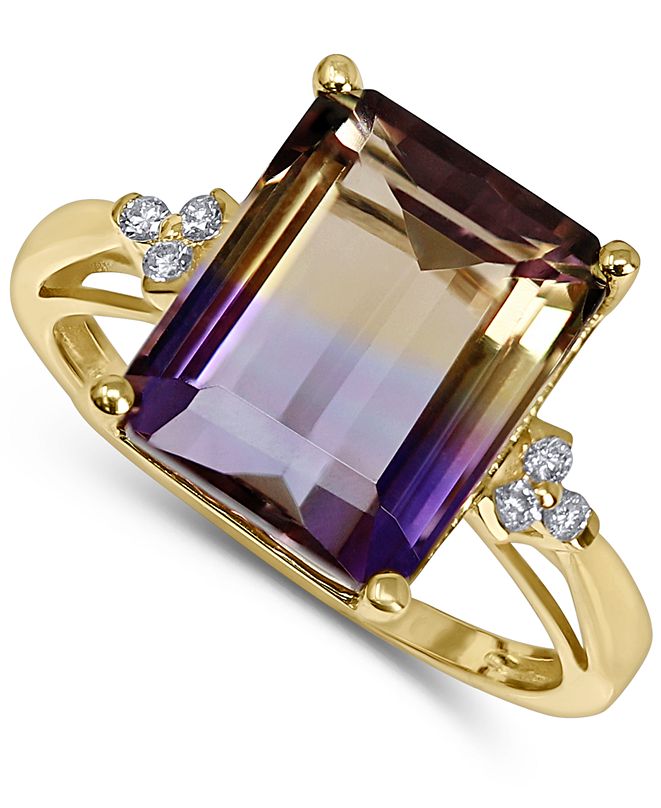
Frequently Asked Questions (FAQs)
Q: Is ametrine a natural gemstone?
A: Yes, natural ametrine occurs in nature, primarily in Bolivia. However, some ametrine is lab-grown or heat-treated to enhance its colors. Always ask the seller for details. [See Treatments and Synthetics].
Q: How can I tell if my ametrine is real?
A: Look for vibrant, distinct color zoning and check for clarity. Synthetic stones may look too perfect or cheap. A gemological certificate can confirm authenticity. [See How to Spot a Quality Ametrine].
Q: Why is ametrine so affordable?
A: As a variety of quartz, ametrine is more abundant than rare gems like emeralds. Its affordability doesn’t detract from its beauty, though! [See Ametrine Pricing].
Q: Can I wear ametrine every day?
A: Absolutely! With a Mohs hardness of 7, ametrine is durable enough for daily wear, but avoid prolonged sunlight exposure to prevent fading. [See Caring for Your Ametrine].
Q: Where’s the best place to buy ametrine?
A: Reputable online retailers, local jewelers, or gem shows are great options. Always check seller reviews and ask about the stone’s origin and treatments. [See Where to Buy Ametrine].