
Emerald Buying Guide: Your Path to the Perfect Green Gem
Summary: Emeralds, with their lush green hues, have captivated jewelry lovers for centuries. This guide walks you through everything you need to know to buy an emerald confidently—whether it’s for an engagement ring, a statement piece, or a collector’s gem. From understanding the 4Cs (color, clarity, cut, and carat) to comparing emeralds from top origins like Colombia, Zambia, and Brazil, we’ll cover quality factors, treatments, pricing, and care tips. You’ll also find answers to common questions and practical advice to make an informed purchase.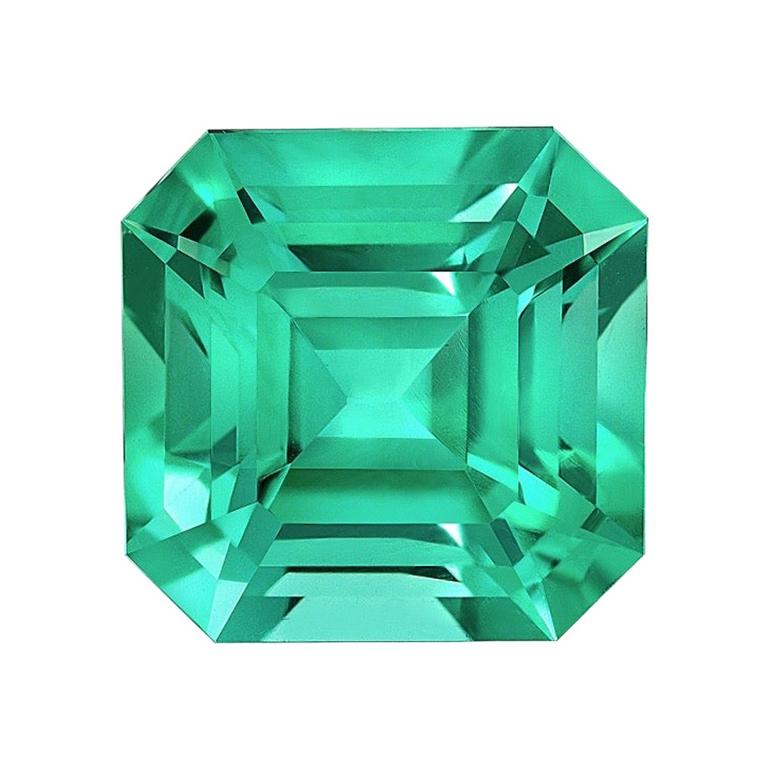
Table of Contents
- Why Choose an Emerald?
- Understanding the 4Cs of Emeralds
- Emerald Origins: A Comparison
- Treatments and Enhancements
- Pricing and Value Factors
- Caring for Your Emerald
- FAQs About Buying Emeralds
Why Choose an Emerald?
Emeralds are the rockstars of green gemstones, known for their vibrant color and timeless elegance. They’re the birthstone for May and a symbol of rebirth and love, making them a popular choice for meaningful jewelry. But let’s be real—buying an emerald can feel daunting with all the talk about inclusions, treatments, and origins. Don’t worry; we’re here to break it down in a way that feels like chatting with a friend who knows their gems.
Emeralds aren’t just pretty; they carry a rich history, from Cleopatra’s obsession to their use in royal jewels. Whether you’re drawn to their deep green sparkle or their storied past, this guide will help you pick one that fits your style and budget.
Understanding the 4Cs of Emeralds
Like diamonds, emeralds are judged by the 4Cs—color, clarity, cut, and carat. But emeralds play by their own rules, and some Cs matter more than others.
Color
Color is king with emeralds. The ideal emerald has a vivid, slightly bluish-green hue that’s neither too dark nor too light. Think lush forest green with a touch of sparkle. Gems that are too pale or overly dark lose value. Colombian emeralds often set the standard for that perfect green, but other origins like Zambia can come close at a lower price.
- What to look for: A vibrant, even green with good saturation.
- Pro tip: Hold the emerald under natural light to see its true color. Avoid overly yellow or grayish tones.
Clarity
Emeralds are rarely flawless. They’re known for inclusions—tiny natural imperfections that gemologists poetically call a “jardin” (French for garden). These inclusions can make each emerald unique but may affect durability if too severe.
- What to look for: Eye-clean emeralds (no visible inclusions to the naked eye) are rare and pricey. Most have visible inclusions, which is okay as long as they don’t dull the stone’s sparkle.
- Pro tip: Ask for a loupe to inspect inclusions or check if they impact the gem’s beauty.
Cut
A good cut maximizes an emerald’s color and minimizes visible inclusions. The classic “emerald cut” (rectangular with step-like facets) is popular because it showcases the gem’s clarity and depth. Round, oval, or cushion cuts are also common but can be pricier due to material loss during cutting.
- What to look for: Symmetry and polish that make the gem glow. Avoid cuts that show “windowing” (a see-through effect).
- Pro tip: The cut should complement the emerald’s natural shape to avoid wasting precious material.
Carat
Emeralds come in various sizes, measured in carats. Larger emeralds are rarer, so prices jump significantly as carat weight increases. A 1-carat emerald can range from $500 to $5,000, depending on quality.
- What to look for: Balance size with quality. A smaller, high-quality emerald often looks better than a larger, mediocre one.
- Pro tip: Consider the jewelry setting—larger stones suit bold designs, while smaller ones work for delicate pieces.
Emerald Origins: A Comparison
Where an emerald comes from impacts its color, clarity, and price. Here’s a breakdown of the top emerald-producing regions:
| Origin | Color | Clarity | Price Range (per carat) | Notes |
|---|---|---|---|---|
| Colombia | Vivid bluish-green, highly prized | Often has visible inclusions | $1,000–$10,000+ | The gold standard; known for rich color, especially from Muzo mines. |
| Zambia | Slightly darker, greener tones | Typically clearer than Colombian | $500–$5,000 | Great value; vibrant color with fewer inclusions. |
| Brazil | Lighter green, sometimes yellowish | Moderate inclusions | $300–$3,000 | Affordable but less intense color; good for budget buyers. |
| Afghanistan | Bluish-green, less saturated | Often heavily included | $200–$2,000 | Unique but less common in commercial jewelry due to clarity issues. |
- Colombia: The benchmark for emeralds, Colombian stones from mines like Muzo or Chivor are world-famous for their vivid color. They often command premium prices.
- Zambia: A rising star, Zambian emeralds offer great clarity and a slightly darker green. They’re a solid choice if you want quality without the Colombian price tag.
- Brazil: Brazilian emeralds are more accessible but may lack the intensity of Colombian or Zambian stones. They’re ideal for casual jewelry.
- Afghanistan: Panjshir Valley emeralds are less common and often have a distinct bluish tint. They’re a niche choice for collectors.
Pro tip: Always ask for a certificate of origin from a reputable lab like BGL to verify the emerald’s source.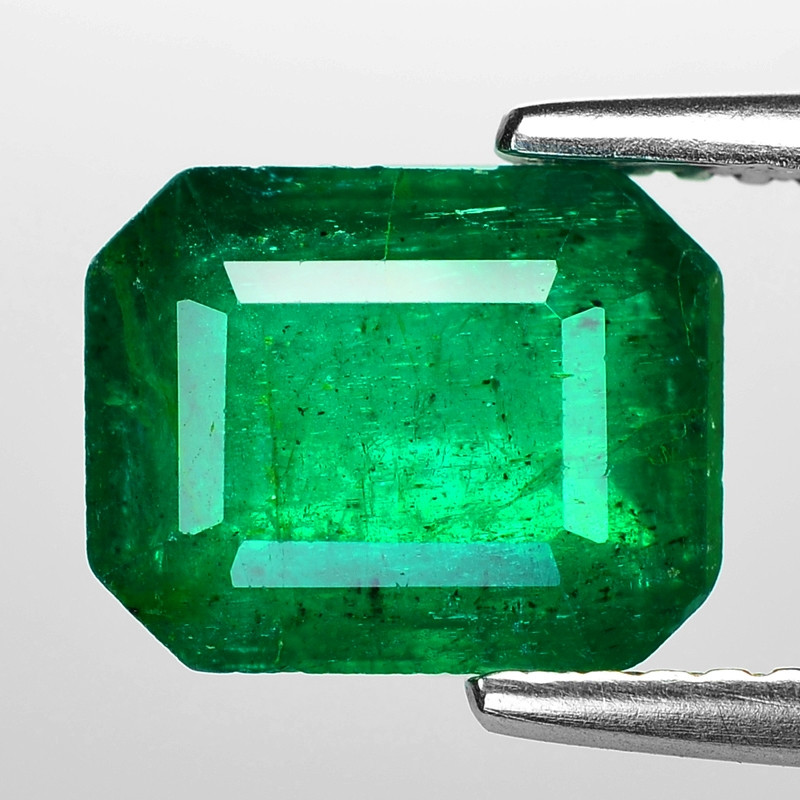
Treatments and Enhancements
Most emeralds are treated to enhance their appearance, and that’s totally normal. The most common treatment is oiling, where cedar oil or resin fills surface cracks to improve clarity and stability.
- Oiling: Improves clarity and luster. It’s widely accepted but may need re-oiling over time.
- Resin filling: More durable than oil but less natural. Some buyers prefer minimal treatment.
- No treatment: Rare and expensive. Untreated emeralds are highly valued but hard to find.
What to watch for: Ask about the extent of treatment (light, moderate, significant). Reputable sellers disclose this. Avoid stones with heavy synthetic fillings that alter the gem’s natural look.
Pricing and Value Factors
Emerald prices vary wildly based on the 4Cs, origin, and treatment. A high-quality 1-carat Colombian emerald might cost $5,000, while a similar-sized Brazilian one could be $1,000. Here’s what drives value:
- Color: The most critical factor. Vivid, pure green stones fetch the highest prices.
- Clarity: Eye-clean emeralds are pricier, but slightly included stones can still be stunning.
- Origin: Colombian emeralds are priciest, followed by Zambian, then Brazilian or Afghan.
- Treatment: Untreated emeralds are rare and cost more. Lightly oiled stones are a good middle ground.
- Certification: Gems with GIA or AGL certificates command higher prices due to verified quality.
Pro tip: Set a budget and prioritize color over size. A smaller, vibrant emerald often outshines a larger, dull one.
Caring for Your Emerald
Emeralds are softer than diamonds (7.5–8 on the Mohs scale), so they need a little TLC to stay dazzling.
- Cleaning: Use warm soapy water and a soft brush. Avoid ultrasonic or steam cleaners, as they can damage oiled emeralds.
- Storage: Keep emeralds in a soft pouch or separate compartment to avoid scratches.
- Wear: Remove emerald jewelry during heavy activities like sports or gardening to prevent chips.
- Re-oiling: If the emerald looks dull over time, a jeweler can re-oil it to restore its shine.
Pro tip: Check your emerald jewelry yearly with a jeweler to ensure the setting is secure and the stone is intact.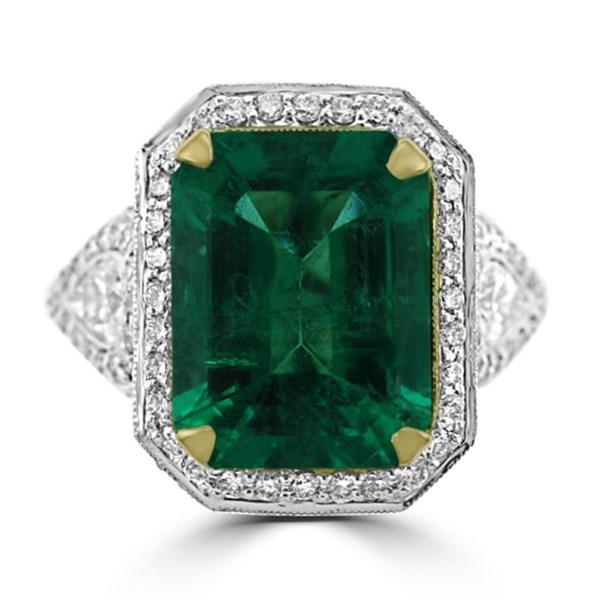
FAQs About Buying Emeralds
Q: Are emeralds a good investment?
A: High-quality, untreated emeralds from Colombia or Zambia can appreciate over time, but most emeralds are better valued for their beauty than investment potential. Focus on quality and buy from reputable sellers.
Q: How can I tell if an emerald is real?
A: Look for natural inclusions under a loupe and ask for a lab certificate (GIA, AGL). Synthetic emeralds are common and cheaper, so always verify authenticity.
Q: Should I buy an emerald online?
A: Yes, but stick to trusted retailers with clear return policies and lab certifications. Request detailed photos or videos to inspect color and clarity.
Q: What’s the best setting for an emerald?
A: Protective settings like bezel or halo are great for emeralds, as they shield the edges from chips. Prong settings work but ensure the prongs are sturdy.
Q: Are treated emeralds less valuable?
A: Lightly treated emeralds are standard and still valuable. Heavily treated stones or those with synthetic fillers are less desirable.
Happy emerald hunting! With this guide, you’re ready to find a gem that’s as unique and vibrant as you are. Stick to reputable jewelers, ask for certifications, and don’t be afraid to compare stones to find your perfect match.