
Tanzanite Buying Guide: Everything You Need to Know
Table of Contents
- Introduction
- What is Tanzanite?
- Why Choose Tanzanite?
- The 4Cs of Tanzanite
- Where to Buy Tanzanite
- Tanzanite Pricing
- Caring for Your Tanzanite
- Summary
- FAQs
Introduction
Hey there, gemstone enthusiasts! If you’re on the hunt for a unique and stunning gem to add to your collection or jewelry box, tanzanite might just steal your heart. This vibrant blue-violet stone is a rare beauty, found only in one place on Earth. Whether you're buying your first tanzanite or looking to deepen your knowledge, this guide is here to walk you through everything you need to know. From its mesmerizing colors to practical buying tips, let’s dive into the world of tanzanite!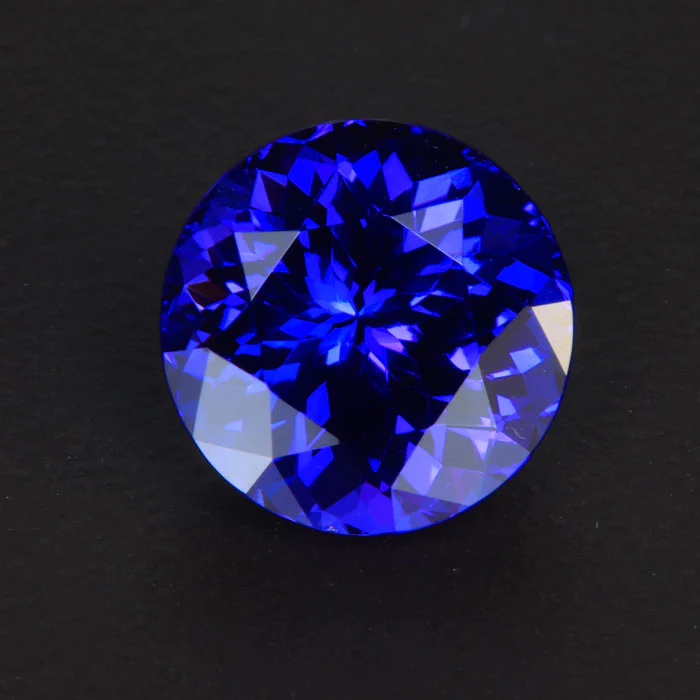
What is Tanzanite?
Tanzanite is a rare gemstone, a variety of the mineral zoisite, discovered in 1967 in the Merelani Hills of Tanzania (hence the name!). What makes it so special? Its pleochroism—the ability to display different colors (blue, violet, or even burgundy) depending on the angle of light. It’s like a mood ring for gemstones! Mined exclusively in a small region near Mount Kilimanjaro, tanzanite’s rarity adds to its allure. Fun fact: Tiffany & Co. named it “tanzanite” to market its exotic origins, and it’s been a hit ever since.
Why Choose Tanzanite?
So, why pick tanzanite over, say, a sapphire or amethyst? For starters, its unique color palette sets it apart—think deep ocean blues with a hint of purple sparkle. It’s also a gem with a story: its limited supply (only one source!) makes it a collector’s dream. Tanzanite is perfect for statement pieces like rings, necklaces, or earrings, and it’s versatile enough to pair with both casual and formal looks. Plus, it’s a December birthstone, making it a thoughtful gift for those winter babies.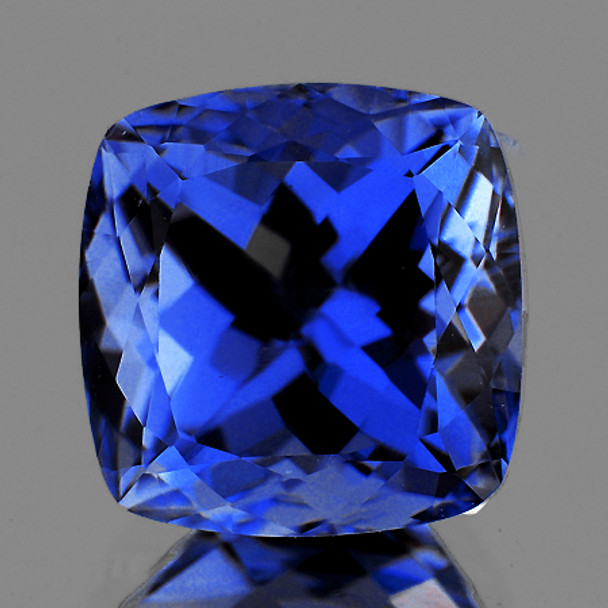
The 4Cs of Tanzanite
Like diamonds, tanzanite is evaluated using the 4Cs: Color, Clarity, Cut, and Carat. Let’s break them down.
Color
Color is the star of the show with tanzanite. The most valuable stones have a vivid blue-violet hue, with rich saturation. Stones leaning more toward pale blue or gray are less expensive. Pro tip: look at the gem under different lighting (natural, incandescent, fluorescent) to see its pleochroism in action. A top-quality tanzanite will pop with vibrant color from every angle.
Clarity
Tanzanite tends to be relatively clean, but inclusions (tiny imperfections) can affect its value. Eye-clean stones—those with no visible flaws—are ideal for jewelry. However, minor inclusions that don’t impact the stone’s beauty can still be a good buy, especially if you’re on a budget.
Cut
A well-cut tanzanite maximizes its color and brilliance. Common cuts include oval, cushion, and round, but you’ll also find unique shapes like trillions or pears. A good cut should balance the stone’s depth and sparkle, avoiding overly shallow or deep proportions that dull its shine.
Carat
Tanzanite comes in various sizes, measured in carats. Larger stones (over 5 carats) are rarer and pricier, especially if they have top color and clarity. Smaller stones (1-2 carats) are more affordable and great for everyday wear. Keep in mind that tanzanite’s price per carat often increases with size due to its rarity.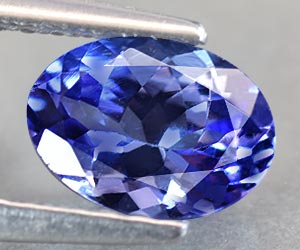
Where to Buy Tanzanite
Ready to shop? You’ve got options! Reputable jewelers, both online like Gemsheaven.se and in-store, are a great starting point. Look for retailers certified by organizations like the BGL. If you’re feeling adventurous, consider buying directly from Tanzania, but do your homework to avoid scams.
Tanzanite Pricing
Tanzanite prices vary widely based on the 4Cs. A small, pale stone might cost $50-$100 per carat, while a large, vivid blue-violet gem could run $500-$1,200 per carat or more. Factors like treatments (most tanzanites are heat-treated to enhance color) and origin certification can also affect price. Budget tip: mid-range stones with good color and slight inclusions often give you the best bang for your buck.
Caring for Your Tanzanite
Tanzanite is softer than gems like diamonds or sapphires (6.5-7 on the Mohs scale), so it needs a little TLC. Avoid ultrasonic or steam cleaners, as they can damage the stone. Instead, clean it with warm, soapy water and a soft brush. Store tanzanite jewelry separately to prevent scratches, and avoid wearing it during rough activities like sports or gardening. With proper care, your tanzanite will keep sparkling for years.
Summary
Tanzanite is a rare, captivating gemstone that’s perfect for anyone who loves unique jewelry. Its vibrant blue-violet hues, limited supply, and exotic Tanzanian origin make it a standout choice. When buying, focus on the 4Cs—color, clarity, cut, and carat—to find a stone that fits your style and budget. Shop from reputable sources, check for certifications, and care for your tanzanite to keep it dazzling. Whether it’s a gift or a treat for yourself, tanzanite is a gem that’s sure to impress.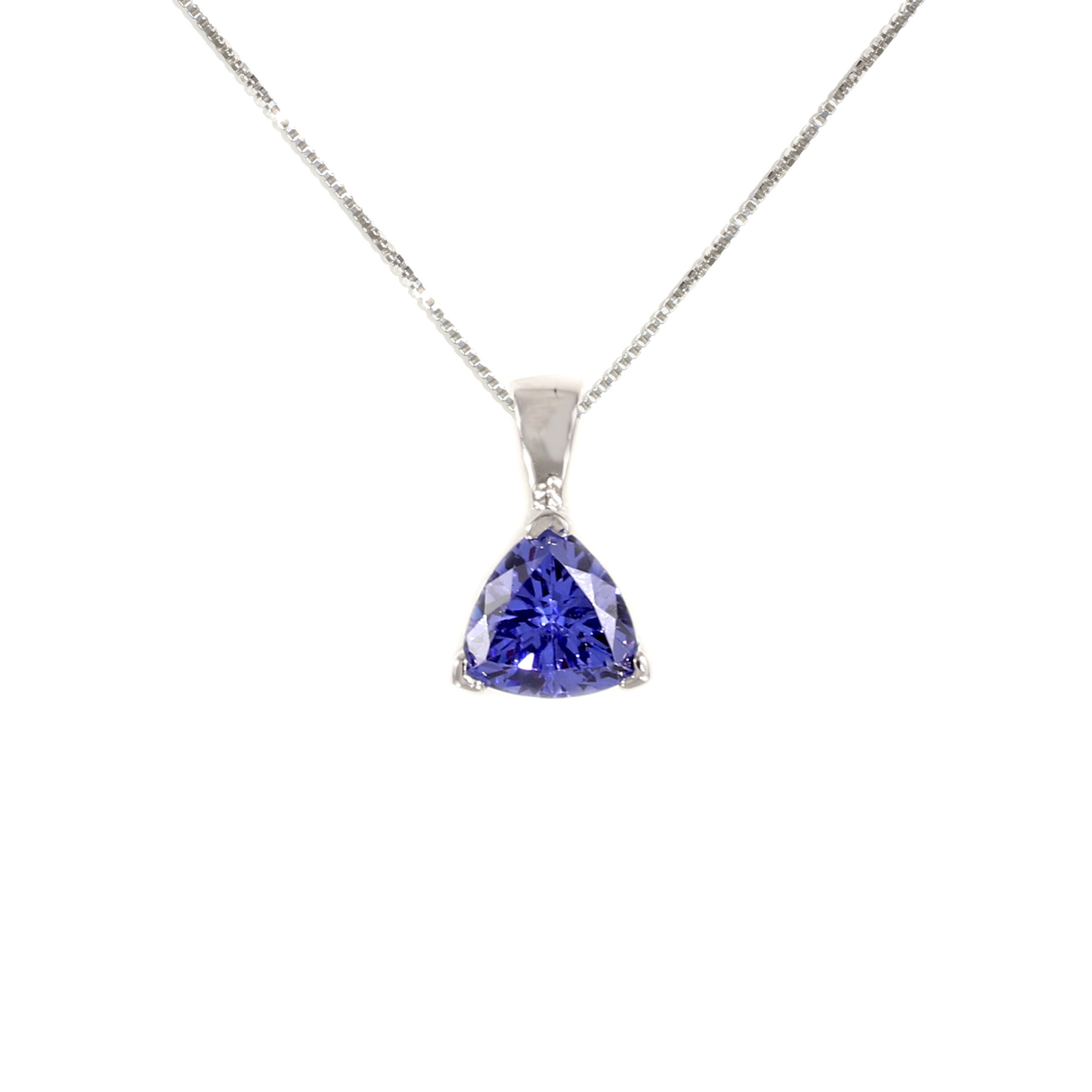
FAQs
- Q: Is tanzanite a good investment?
- A: Tanzanite’s rarity makes it a potential investment, but its value depends on market demand and quality. Focus on high-quality stones with vivid color for the best long-term value.
- Q: How can I tell if my tanzanite is real?
- A: Look for a certificate from a reputable lab like BGL. You can also test its pleochroism—real tanzanite shows different colors when viewed from different angles.
- Q: Can tanzanite be worn every day?
- A: It’s best for occasional wear due to its softness. For daily wear, consider protective settings like bezels and avoid rough activities.
- Q: Are all tanzanites heat-treated?
- A: Most are heat-treated to enhance their blue-violet color, which is standard and accepted in the industry. Untreated stones are rare and often less vibrant.
- Q: Where’s the best place to buy tanzanite?
- A: Reputable jewelers, online retailers like Gemsheaven.se with certifications are great options. Always verify authenticity and return policies.