
Sapphire Buying Guide: Everything You Need to Know
Hey there, gemstone enthusiast! So, you’re thinking about buying a sapphire? Awesome choice—sapphires are stunning, versatile, and packed with history. Whether you’re drawn to the classic deep blue, the rare padparadscha, or any other hue in the rainbow, this guide is your go-to for navigating the world of sapphires. We’ll cover colors, origins, rarity, treatments, value, and more, all in a way that feels like a chat with a friend who knows their gems. Let’s dive in!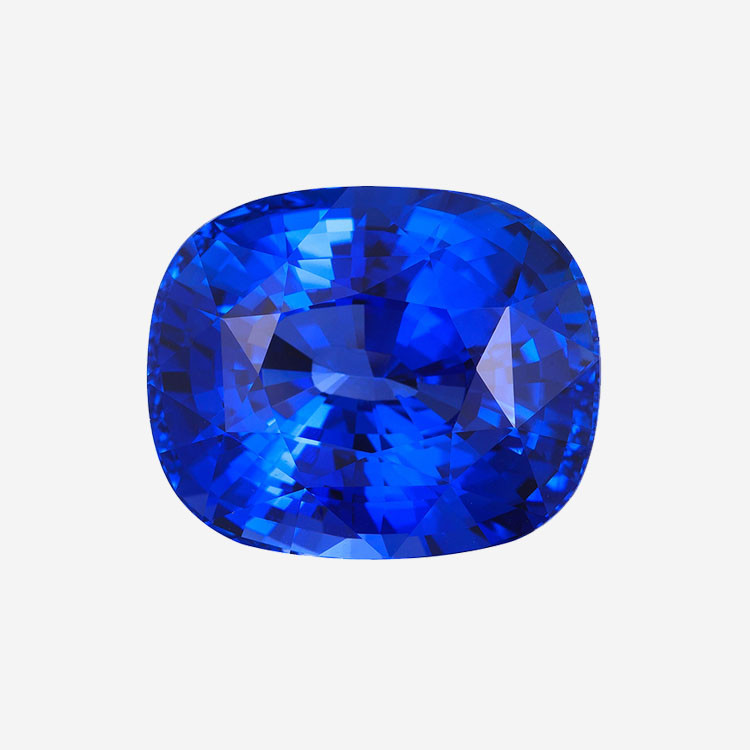
Table of Contents
What Makes Sapphires Special?
Sapphires are like the rockstars of the gemstone world. They’re a variety of the mineral corundum, made of aluminum oxide, and score a 9 on the Mohs scale of hardness—second only to diamonds. This makes them super durable for everyday wear, whether in a ring, necklace, or earrings. Their allure comes from their vibrant colors, rich history (think royal jewels!), and the fact that they can fit any style, from classic to modern.
But what really sets sapphires apart? It’s their versatility. From the deep blue gems you probably picture to rare pinks and even color-changing varieties, there’s a sapphire for everyone. Plus, they’re steeped in symbolism—often tied to wisdom, loyalty, and nobility. Ready to explore the rainbow? Let’s talk colors.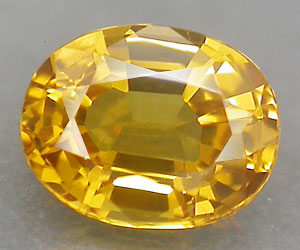
The Colors of Sapphire
Sapphires aren’t just blue (though those are iconic). They come in nearly every color, each with its own vibe, rarity, and value. Here’s the breakdown:
Blue Sapphires
Blue sapphires are the OGs of the sapphire family. Their rich, velvety hues—ranging from vivid cornflower to deep midnight—are caused by trace amounts of iron and titanium. The best ones have a vibrant, saturated blue with a touch of violet.
- Best Origins: Kashmir, Burma (Myanmar), and Sri Lanka produce the most prized blue sapphires. Kashmir sapphires, with their intense “velvet” blue, are super rare and often fetch top dollar.
- Value Tip: Look for a medium to deep blue with good clarity. Untreated stones from premium origins are pricier but worth it for collectors.
Pink Sapphires
Pink sapphires are having a moment, especially for engagement rings. Their delicate to vivid pink hues (thanks to chromium) range from soft bubblegum to hot pink. They’re feminine yet bold, perfect for standing out.
- Best Origins: Madagascar and Sri Lanka are known for vibrant pinks. Burma also produces some, but they’re rarer.
- Value Tip: Deeper pinks are more valuable, but lighter shades can be budget-friendly and still gorgeous.
Yellow Sapphires
Bright and sunny, yellow sapphires get their color from iron. They range from pale lemon to rich golden hues, offering a cheerful alternative to traditional gems.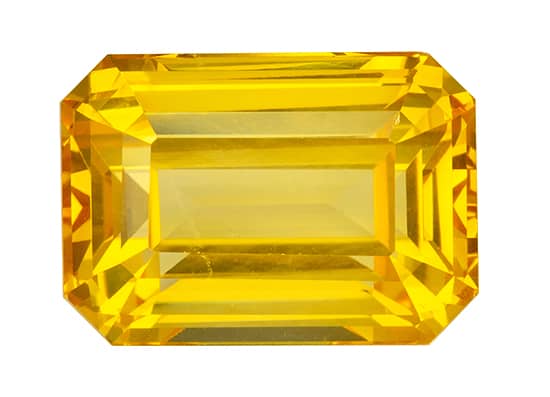
- Best Origins: Sri Lanka and Thailand are top sources. Australian yellow sapphires are also common but less vibrant.
- Value Tip: Vivid, pure yellows are rarer and more valuable than greenish or brownish tones.
Green Sapphires
Green sapphires, colored by iron and sometimes vanadium, have earthy, forest-like tones. They’re less common in jewelry but have a unique, understated charm.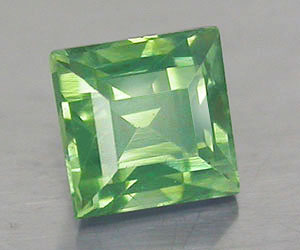
- Best Origins: Australia, Thailand, and Montana (USA) produce notable green sapphires.
- Value Tip: Look for even, rich green without too much gray or brown for the best value.
Padparadscha Sapphires
Padparadscha sapphires are the unicorns of the sapphire world. Their name comes from the Sinhalese word for “lotus blossom,” and they boast a rare pinkish-orange hue that’s like a tropical sunset. The perfect balance of pink and orange is key, and these gems are incredibly rare.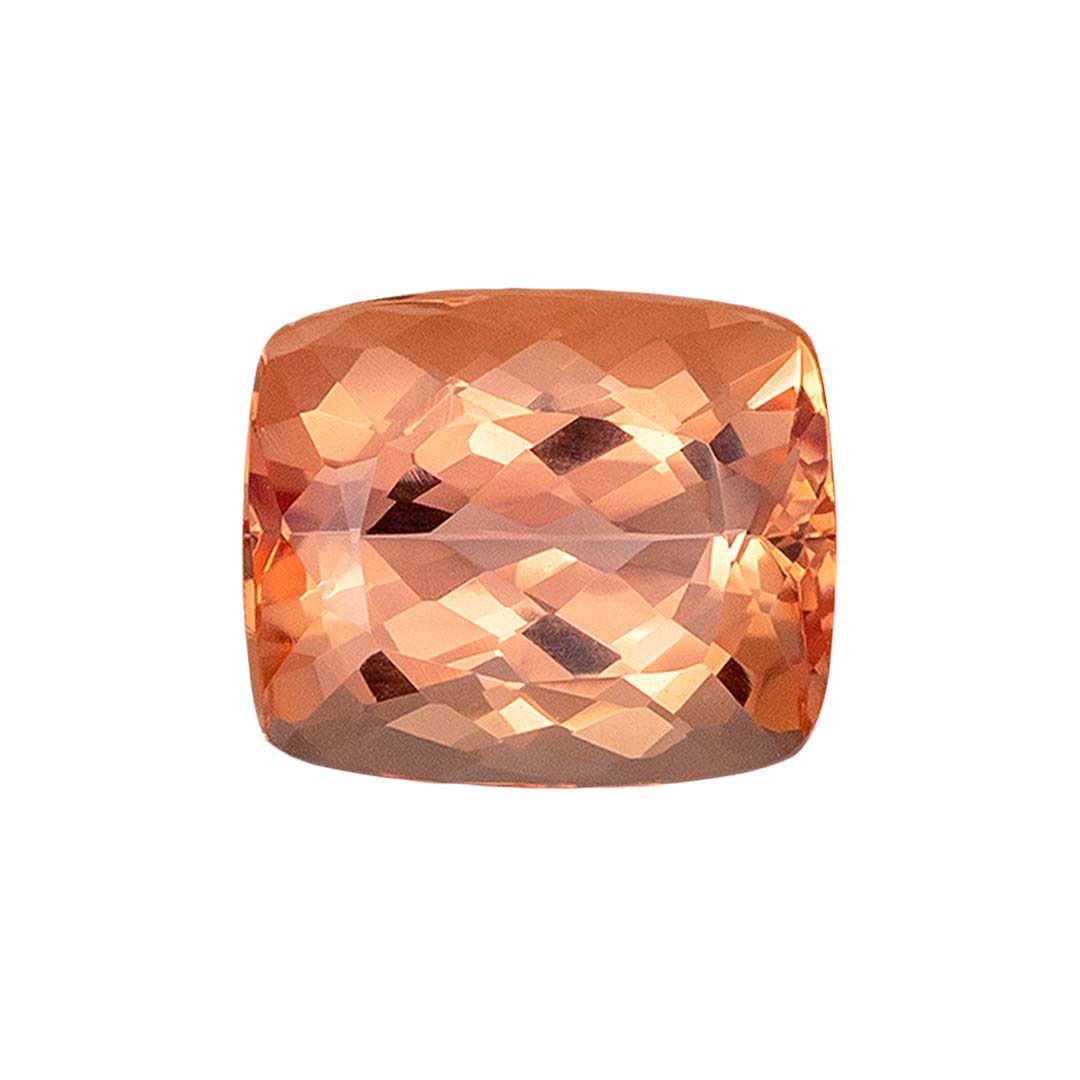
- Best Origins: Sri Lanka is the primary source, with some from Madagascar and Tanzania. True padparadschas are scarce, so provenance matters.
- Value Tip: Expect to pay a premium for a natural, untreated padparadscha with vivid color. Be wary of overly orange or pink stones mislabeled as padparadscha.
Other Fancy Colors
Beyond the main players, sapphires come in purple, orange, colorless, and even color-changing varieties (which shift hues under different lighting). Purple sapphires, with their rich violet tones, are gaining popularity, while colorless sapphires are a budget-friendly diamond alternative.
- Best Origins: Madagascar and Tanzania for purples; Sri Lanka for color-changing sapphires.
- Value Tip: Color-changing sapphires are rare and valuable—look for strong color shifts (e.g., blue to purple) for maximum wow factor.
Where Do Sapphires Come From?
Sapphires are mined across the globe, and their origin can affect both their appearance and value. Here’s a quick rundown of key sources:
- Kashmir (India): Known for the legendary “velvet” blue sapphires, mined in the late 19th century. These are ultra-rare and command sky-high prices.
- Burma (Myanmar): Famous for rich, royal blue sapphires with excellent clarity. Also a source for rare pinks and padparadschas.
- Sri Lanka: The “Ceylon” sapphire hub, producing a range of colors, from vibrant blues to padparadschas. Known for good clarity and affordability.
- Madagascar: A newer player, offering blues, pinks, yellows, and padparadschas. Often high quality and more budget-friendly.
- Thailand and Australia: Major sources for commercial-grade sapphires, especially greens and darker blues. Australian sapphires tend to be darker and less valuable.
- Montana (USA): Known for unique, pastel blues and greens, often with a metallic sheen.
Origin matters because it influences color, clarity, and market value. Always ask for a gem’s provenance, ideally backed by a lab certificate.
Rarity and Value
Not all sapphires are created equal. Rarity and value depend on a few key factors: color, clarity, carat weight, cut, and whether the stone is treated or natural. Here’s what to know:
- Color: The most critical factor. Vivid, saturated colors (like royal blue or true padparadscha) are pricier. Stones with secondary hues (e.g., greenish-blue) are less valuable.
- Clarity: Sapphires often have inclusions, but eye-clean stones (no visible flaws) are more valuable. Kashmir and Burmese sapphires often have a silky texture due to inclusions, which can actually add value.
- Carat Weight: Larger sapphires are rarer, so prices increase exponentially with size, especially for high-quality stones.
- Cut: A well-cut sapphire maximizes brilliance and color. Poor cuts can make even a great stone look dull.
- Natural vs. Treated: Untreated sapphires are rarer and more valuable. Treated stones (more on that below) are more affordable but less collectible.
Padparadscha and Kashmir blue sapphires are among the rarest, often costing tens of thousands per carat for top-quality stones. Commercial-grade sapphires (e.g., dark Australian blues) can be as low as $50–$200 per carat.
Sapphire Treatments
Most sapphires on the market are treated to enhance their color or clarity. This isn’t necessarily a bad thing—it makes sapphires more affordable—but it affects value. Common treatments include:
- Heat Treatment: The most common, used to deepen color or remove unwanted hues. It’s widely accepted and stable, but heated sapphires are less valuable than unheated ones.
- Diffusion: Adds color (often blue) to the surface using chemicals like beryllium. Less stable and less valuable.
- Fracture Filling: Fills cracks with glass or resin to improve clarity. These stones are cheaper and less durable.
- Synthetic Sapphires: Lab-grown sapphires are chemically identical to natural ones but cost a fraction of the price. They’re great for budget buyers but have no investment value.
Always ask for a gemological certificate (e.g., from GIA or BGL) to verify treatments. Untreated, high-quality sapphires are rare and command a premium.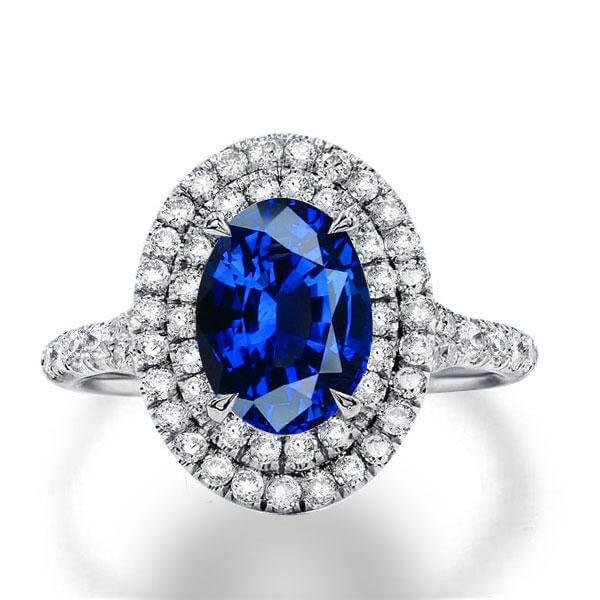
How to Choose a Sapphire
Ready to pick your perfect sapphire? Here’s a checklist to guide you:
- Set a Budget: Sapphires range from $50 to $50,000+ per carat. Decide what you’re comfortable spending.
- Pick Your Color: Choose a hue that speaks to you—blue for classic, pink for trendy, or padparadscha for rare.
- Check the 4Cs: Focus on color first, then clarity, cut, and carat. Prioritize what matters most (e.g., vivid color over size).
- Ask About Treatments: Opt for untreated stones if you’re investing, or go for treated ones for affordability.
- Verify Origin: Premium origins like Kashmir or Burma add value but also cost more.
- Get a Certificate: A lab report (GIA, BGL, etc.) confirms quality, origin, and treatments.
- Buy from a Reputable Seller such as Gemsheaven.se.
Pro tip: If you’re buying for jewelry, consider the setting. Sapphires look amazing in white gold for cool tones or yellow gold for warm hues like padparadscha.
Summary
Sapphires are a fantastic choice for anyone looking for beauty, durability, and variety. From the iconic blue to the ultra-rare padparadscha, there’s a sapphire for every taste and budget. Key takeaways: prioritize color, check for treatments, and always verify origin and quality with a lab certificate. Whether you’re splurging on an untreated Kashmir blue or picking a budget-friendly heated pink, you’re getting a gem that’s as timeless as it is stunning.
FAQs
- Q: Are all sapphires blue?
- A: Nope! Sapphires come in nearly every color—blue, pink, yellow, green, purple, and even the rare pinkish-orange padparadscha. Learn more about colors.
- Q: What’s the rarest sapphire?
- A: Padparadscha and Kashmir blue sapphires are the rarest due to their unique colors and limited supply. See details on rarity.
- Q: Are treated sapphires bad?
- A: Not at all! Treatments like heating are common and make sapphires more affordable. Just know that untreated stones are more valuable. Read about treatments.
- Q: How do I know if a sapphire is real?
- A: A gemological certificate from a reputable lab (like GIA) confirms authenticity, origin, and treatments. Always ask for one! Check choosing tips.
- Q: Where are the best sapphires from?
- A: Kashmir, Burma, and Sri Lanka are top sources for high-quality sapphires, but Madagascar is also a great option for value. Explore origins.