
Peridot Buying Guide: Your Go-To Resource for This Vibrant Green Gem
Table of Contents
Introduction
Hey there, gemstone enthusiasts! If you’re on the hunt for a vibrant, eye-catching gem that’s a little off the beaten path, peridot might just be your new best friend. Known for its zesty lime-green glow, this gemstone has been stealing hearts for centuries. Whether you’re looking to add a pop of color to your jewelry collection or hunting for the perfect gift, this guide will walk you through everything you need to know about buying peridot. From color to clarity, where to shop, and how it stacks up against other green gems, we’ve got you covered. Let’s dive in!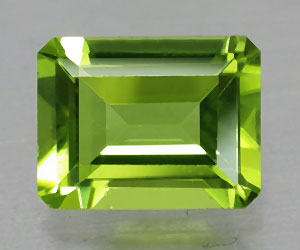
What is Peridot?
Peridot is like the sunshine of gemstones—bright, cheerful, and full of life. It’s a variety of the mineral olivine, formed deep within the Earth’s mantle and often brought to the surface by volcanic activity. Fun fact: some peridot even comes from meteorites! Its signature green hue, ranging from olive to vivid lime, comes from iron, and it’s one of the few gemstones that only comes in green. Historically, it was called the “gem of the sun” by ancient Egyptians, and it’s the birthstone for August, making it a popular pick for summer babies.
Factors to Consider When Buying Peridot
Buying peridot is all about knowing what makes a great stone. Here are the key factors to keep in mind:
Color
Peridot’s color is its biggest selling point. The best peridots have a pure, vibrant green with a touch of yellow, no brown or dull tones. Think fresh lime or a lush forest—bright and lively. Stones from certain regions, like Pakistan or Arizona, often have that ideal vivid green. When shopping, hold the stone up to light (natural light is best) to check its vibrancy. Avoid anything that looks too dark or muddy.
Clarity
Peridot is generally pretty clean, but inclusions (tiny internal flaws) can happen. Look for stones that are eye-clean, meaning you can’t see any blemishes with the naked eye. Some peridots might have small “lily pad” inclusions—cute name, right?—which are flat, disc-like cracks. These are okay in moderation but shouldn’t dominate the stone. A loupe (a jeweler’s magnifying tool) can help, but trust your eyes first.
Cut
The cut of a peridot can make or break its sparkle. A well-cut stone will reflect light beautifully, showing off its green glow. Common cuts include round, oval, cushion, and emerald, but faceted peridots are especially popular for maximizing brilliance. Check that the cut is symmetrical and the stone doesn’t have any dull spots. Cabochon cuts (smooth, rounded ones) are less common but can work for a softer look.
Carat Weight
Peridot comes in a range of sizes, and larger stones are more affordable than, say, emeralds or sapphires. A 1-2 carat peridot is perfect for rings or pendants, while bigger stones (5+ carats) make bold statement pieces. Keep in mind that larger stones might show inclusions more clearly, so balance size with quality.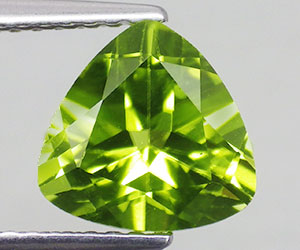
Origin
Where your peridot comes from can affect its look and price. Top sources include:
- Pakistan: Known for vivid, pure green stones.
- Arizona, USA: Produces warm, olive-green peridots.
- Myanmar: Offers high-quality, bright stones.
- China: Common but sometimes less vibrant.
Origin isn’t everything, but stones from premium locations like Pakistan often fetch higher prices due to their color.
Comparing Peridot with Other Green Gemstones
Peridot isn’t the only green gem in town, so how does it stack up? Here’s a handy table comparing it to other popular green gemstones:
| Gemstone | Color | Hardness (Mohs) | Price Range (per carat) | Durability | Unique Feature |
|---|---|---|---|---|---|
| Peridot | Olive to lime green | 6.5–7 | $50–$200 | Moderate | Only comes in green, “gem of the sun” |
| Emerald | Deep to vibrant green | 7.5–8 | $500–$5,000+ | Moderate (prone to inclusions) | Rich color, often treated |
| Green Sapphire | Light to dark green | 9 | $300–$2,000 | Excellent | Highly durable, versatile hues |
| Tsavorite Garnet | Bright yellowish-green | 7–7.5 | $1,000–$5,000 | Good | Rare, vibrant color |
| Green Tourmaline | Green with blue/yellow tints | 7–7.5 | $100–$1,000 | Good | Wide color range, affordable |
Peridot is a budget-friendly option with a unique, lively green that’s less intense than emeralds but more consistent than tourmaline. Its softer nature (lower hardness) means it’s best for occasional wear, like pendants or earrings, rather than daily-wear rings.
Caring for Your Peridot
Peridot’s a bit of a softie (literally) with a Mohs hardness of 6.5–7, so it needs some TLC. Here’s how to keep it shining:
- Cleaning: Use warm, soapy water and a soft brush. Avoid ultrasonic or steam cleaners—they can damage the stone.
- Storage: Store peridot jewelry separately in a soft pouch to prevent scratches from harder gems like sapphires or diamonds.
- Wear: Avoid exposing peridot to harsh chemicals (like household cleaners) or extreme heat, which can dull its color. Take it off during heavy activities like sports or gardening.
With proper care, your peridot will stay as vibrant as the day you bought it.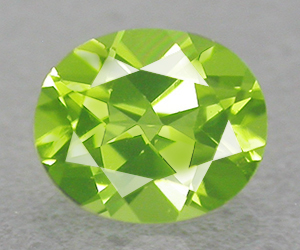
Where to Buy Peridot
Ready to shop? Here are some tips on where to find quality peridot:
- Specialty Gem Shops: Places like Gemsheaven.se or local gem shows can offer unique, high-quality stones.
- Things to Watch For: Always ask for a certificate of authenticity, especially for pricier stones. Be wary of deals that seem too good to be true—synthetic peridot exists but should be clearly labeled.
- Price Range: Expect to pay $50–$200 per carat for good-quality peridot, depending on size and origin. Larger, vivid stones from Pakistan might push the higher end.
Pro tip: Check out estate sales or vintage jewelry shops for unique peridot pieces with character.
Summary
Peridot is a fantastic choice if you want a vibrant, affordable green gem with a sunny personality. Focus on finding a stone with vivid, pure green color, eye-clean clarity, and a well-executed cut. Compare it with other green gems like emerald or tsavorite to ensure it’s the right fit for your style and budget. With proper care, peridot can be a dazzling addition to your collection. Whether you’re shopping for a birthstone gift or a statement piece, this guide should help you pick a peridot that sparkles just right.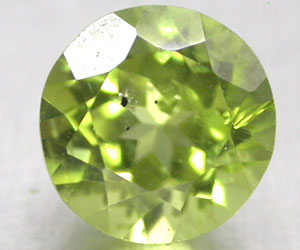
FAQs
Q: Is peridot a good choice for an engagement ring?
A: Peridot’s softer nature (6.5–7 on the Mohs scale) makes it less ideal for daily wear like an engagement ring. It’s better suited for occasional pieces like pendants or earrings unless you’re extra careful.
Q: How can I tell if my peridot is real?
A: Look for natural inclusions under a loupe and ask for a certificate of authenticity. Synthetic peridot exists, but real peridot often has unique “lily pad” inclusions. A gemologist can confirm with testing.
Q: Why is peridot so affordable compared to emeralds?
A: Peridot is more abundant and has fewer inclusions than emeralds, which are rarer and often require treatments. This makes peridot a budget-friendly green gem.
Q: Can peridot change color over time?
A: Peridot’s color is stable under normal conditions, but prolonged exposure to heat or harsh chemicals can dull it. Proper care keeps it vibrant.
Q: Where does the best peridot come from?
A: Pakistan and Myanmar are known for producing the most vivid, high-quality peridots, though Arizona and China also supply good stones.