
Zircon Buying Guide
Hey there! If you're diving into the world of gemstones and have your eye on zircon, you're in for a treat. This underrated beauty has been sparkling its way into jewelry for centuries, but it's often misunderstood. In this guide, we'll chat about everything you need to know to buy zircon confidently—like its colors, where it comes from, what makes it valuable, and some handy tips for turning it into stunning jewelry. We'll also clear up that common mix-up with cubic zirconia. Let's make this fun and informative, shall we?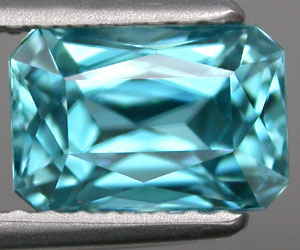
Table of Contents
- Introduction
- What is Zircon?
- Zircon vs. Cubic Zirconia
- Colors of Zircon
- Origins of Zircon
- Determining the Value of Zircon
- Jewelry Tips for Zircon
- Summary
- FAQs
Introduction
Picture this: a gemstone that's as fiery as a diamond but way more affordable, with a rainbow of colors to boot. That's zircon for you! Whether you're shopping for a birthstone (yep, it's one for December) or just want something unique, this guide will walk you through the essentials. We'll keep things light and chatty, but packed with the info you need to avoid pitfalls and snag the perfect piece.
What is Zircon?
So, what exactly is zircon? It's a natural mineral that's been around forever—literally, it's one of the oldest minerals on Earth, with some crystals dating back over 4 billion years. Chemically, it's zirconium silicate (ZrSiO4), and it forms in igneous and metamorphic rocks. Zircon is prized for its brilliance and fire, thanks to a high refractive index that makes it sparkle like crazy. It's got a hardness of 6 to 7.5 on the Mohs scale, so it's durable enough for everyday wear but needs a bit of TLC to stay looking sharp. Fun fact: zircon can contain tiny amounts of uranium and thorium, which can make some stones slightly radioactive, but gem-quality ones are safe!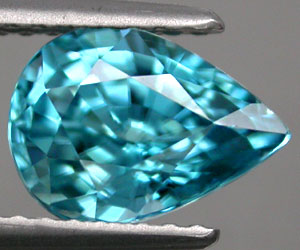
Zircon vs. Cubic Zirconia
Okay, let's tackle the elephant in the room: zircon and cubic zirconia (often called CZ) sound alike, but they're totally different beasts. Natural zircon is a real gemstone mined from the earth, with that authentic vibe and varying properties. Cubic zirconia, on the other hand, is a lab-created synthetic made from zirconium dioxide (ZrO2), designed to mimic diamonds on a budget.
- Origin: Zircon is natural; CZ is synthetic.
- Hardness: Zircon is 6-7.5 (can scratch easier), while CZ is tougher at 8-8.5.
- Sparkle: Both shine bright, but zircon has stronger birefringence (that doubling effect under magnification) and often more fire due to higher dispersion.
- Price: Zircon can be pricier for quality pieces; CZ is dirt cheap.
- Weight: CZ is denser, so a same-size stone feels heavier.
If someone tries to sell you "zircon" that's suspiciously inexpensive, it might be CZ—always ask for certification!
Colors of Zircon
One of the coolest things about zircon is its color variety—it's like nature's candy store! Naturally, it comes in shades like colorless (great diamond look-alike), yellow, orange, red, brown, green, and even purple. Blue zircon is the star of the show, super popular for its vibrant hue, but most blues are heat-treated from brown or reddish stones to enhance the color. Green is the rarest natural color and can fetch a premium. Some zircons even change colors under different lights, which is pretty magical. When buying, go for vivid, even colors without blotches—think saturated blues or fiery reds for that wow factor.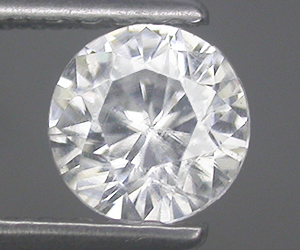
Origins of Zircon
Zircon pops up all over the globe, but gem-quality stuff is mostly from Southeast Asia. Top spots include Sri Lanka (famous for all colors, including cat's eye varieties), Cambodia (source of those heat-treatable blues), Myanmar (yellowish and color-changing stones), and Thailand (big commercial hub). Down under, Australia yields orange zircons, while Tanzania gives us white pebbles. Other places like Vietnam, Madagascar, and even the US (Colorado, Maine) contribute too. Origin can affect value—Sri Lankan zircons often have a rep for quality—but it's more about the stone itself than the passport.
Determining the Value of Zircon
Alright, let's talk money. Zircon's value hinges on the classic 4Cs: color, clarity, cut, and carat weight.
- Color: Vivid blues top the charts, followed by greens and reds. Colorless ones are affordable diamond subs.
- Clarity: Look for eye-clean stones; inclusions can dull the sparkle.
- Cut: A good cut maximizes that fire—poor cuts make it look glassy and boring.
- Carat: Bigger isn't always better, but larger high-quality stones are rarer.
Treatments like heating are common and accepted, but disclose them. Prices? Expect $50 to $400 per carat for nice blues, less for other colors. Always buy from reputable sellers with lab reports to ensure it's natural and not low-grade "metamict" zircon that's cloudy from radiation damage.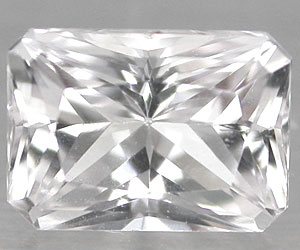
Jewelry Tips for Zircon
Ready to wear your zircon? It's versatile—think rings, earrings, pendants, or even brooches. But since it's a bit brittle, opt for protective settings like bezels for rings to avoid chipping those edges. It's great for occasional wear or safer pieces like necklaces. Pair blue zircon with white gold for a cool vibe, or yellow with rose gold for warmth.
Care-wise: Clean with warm soapy water and a soft brush—no ultrasonics or harsh chemicals, as they can damage it. Store separately to prevent scratches. If your stone looks dull, a recut by a pro can bring back the bling!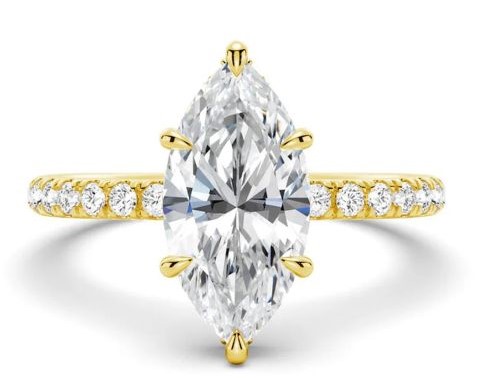
Summary
Whew, that was a sparkle-filled ride! Zircon is a natural, colorful gem that's affordable and full of fire, but don't confuse it with synthetic cubic zirconia. From blues to greens, sourced from places like Sri Lanka, its value depends on those 4Cs. Treat it right in jewelry, and it'll shine for years. Whether you're a newbie buyer or a gem enthusiast, zircon deserves a spot in your collection—happy hunting!
FAQs
Is zircon a good alternative to diamond?
Absolutely! Its sparkle rivals diamonds, but it's softer and cheaper. Great for budget-conscious bling.
How can I tell if my zircon is real?
Look for birefringence under a loupe (doubling of facets), or get a gem lab certification. Avoid super-cheap "zircon" that might be CZ.
Does zircon need special care?
Yes, gentle cleaning only. Avoid knocks and store it safely.
What's the most valuable color of zircon?
Blue, especially vivid ones, but rare natural greens are up there too.
Can zircon be treated?
Often heated for color, which is fine if disclosed.
Where should I buy zircon?
Trusted jewelers or online sites with return policies and certs. Check reviews!