
Citrine Buying Guide: Your Friendly Companion to Picking the Perfect Sunny Gem
Hey there! If you're eyeing that warm, golden glow of citrine and thinking about adding it to your collection or jewelry box, you've come to the right place. Citrine is like a little ray of sunshine you can wear—affordable, versatile, and full of positive vibes. In this guide, we'll chat about everything you need to know to buy citrine confidently. We'll cover the essentials like the 4C's, where it comes from, what makes it valuable, how to keep it sparkling, its role as a birthstone, tips for styling it in jewelry, and even a handy comparison with other yellow gems. I'll keep things light and conversational, like we're grabbing coffee and geeking out over gems.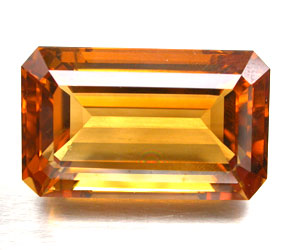
Table of Contents
- Summary
- The 4C's of Citrine
- Origins of Citrine
- Determining the Value of Citrine
- Caring for Your Citrine
- Citrine as a Birthstone
- Jewelry Tips for Citrine
- Comparison with Other Yellow Gemstones
- FAQs
Summary
Citrine is a stunning yellow-to-orange quartz gemstone that's perfect for beginners and seasoned collectors alike. It's known for its affordability (often $10–$50 per carat for good quality) and its association with prosperity and joy. When buying, focus on the 4C's: aim for vibrant golden hues, eye-clean clarity, well-proportioned cuts, and sizes that fit your budget. Most citrine hails from Brazil, but watch for heat-treated amethyst masquerading as natural. Value spikes with rarity and size, but it's generally a steal compared to sapphires or diamonds. Care is easy—gentle cleaning and no extreme heat—but pair it thoughtfully in jewelry for maximum sparkle. If you're a November baby, it's your birthstone! Compared to other yellow gems like topaz or sapphire, citrine wins on price and durability for everyday wear. Stick around for the full scoop, and by the end, you'll be ready to snag your own piece of sunshine.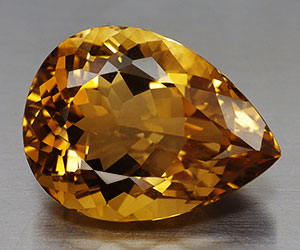
The 4C's of Citrine
Alright, let's dive into the basics—the 4C's. If you've shopped for diamonds, this might sound familiar, but citrine has its own twists. These are the key factors that determine quality and price. Think of them as your checklist when you're browsing online or in a store.
- Color: This is the star of the show for citrine! You want that rich, golden-yellow to reddish-orange vibe—think honey or a sunset. Pale lemons are cheaper, but deeper "Madeira" shades (like a fine wine) are more valuable. Avoid anything too brownish or greenish; those might be lower quality or treated. Pro tip: Hold it up to natural light to see the true hue.
- Clarity: Citrine is usually pretty clean, but look for "eye-clean" stones—no visible inclusions without a loupe. Tiny flaws are okay since it's quartz, not a diamond, but major cracks? Pass. High clarity means better light play and sparkle.
- Cut: A good cut makes citrine pop! Faceted cuts like oval, round, or emerald maximize that fiery brilliance. Poor cuts can make it look dull, so check for symmetry and proportions. Custom cuts are fun for unique jewelry, but standard ones are easier to find.
- Carat: Size matters, but not as much as in rarer gems. Citrine comes in big sizes affordably—1–5 carats are common for rings or pendants. Larger stones (10+ carats) cost more, but you're still talking under $100 per carat usually. Remember, carat is weight, not just size, so denser stones feel heftier.
Nailing the 4C's ensures you're getting a gem that lights up your life without breaking the bank.
Origins of Citrine
Where does this sunny stone come from? Citrine is a variety of quartz, and natural ones form in igneous rocks under heat and pressure. But here's the tea: Most citrine on the market is actually amethyst (purple quartz) that's been heat-treated to turn yellow. Natural untreated citrine is rarer and pricier.
Top origins include:
- Brazil: The big player—home to massive deposits. Places like Rio Grande do Sul produce tons of that golden goodness.
- Bolivia and Uruguay: Known for deeper, more vibrant colors.
- Madagascar and Zambia: Emerging sources with high-quality natural citrine.
- Russia and Scotland: Historic spots, but supply is limited now.
When buying, ask if it's natural or treated—treated is fine and common, but natural fetches a premium. Certifications from labs like BGL can confirm origin and authenticity. Fun fact: The name "citrine" comes from the French "citron," meaning lemon, fitting for its zesty color!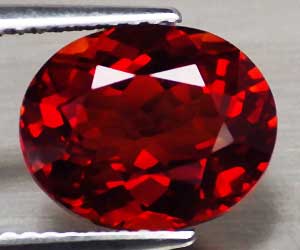
Determining the Value of Citrine
So, what makes one citrine worth more than another? Value boils down to rarity, quality, and market demand. Unlike diamonds, citrine is abundant, so prices stay friendly—$5–$100 per carat, with fine pieces topping out around $200.
Key value drivers:
- Rarity of Color: Deep orange-reds (like "Cognac" citrine) are scarcer than pale yellows.
- Natural vs. Treated: Untreated natural citrine can be 2–3 times pricier.
- Size and Clarity: Bigger, cleaner stones command more.
- Cut and Polish: Expert craftsmanship adds value.
- Certification: Lab reports boost trust and price.
Market-wise, vintage or ethically sourced pieces from small mines might cost extra. Always buy from reputable sellers to avoid fakes like glass or dyed quartz. If it's too cheap, it might be synthetic—real citrine has that warm, natural feel.
Caring for Your Citrine
Citrine is tough (7 on the Mohs scale), but it needs some TLC to stay fabulous. Here's how to keep it shining:
- Cleaning: Gentle is key. Use warm soapy water and a soft brush. Ultrasonic cleaners are okay, but skip steam—heat can fade color, especially in treated stones.
- Storage: Keep it away from harder gems like diamonds to avoid scratches. Wrap in soft cloth or store solo.
- Avoid Extremes: No prolonged sun exposure (it might fade), harsh chemicals, or sudden temperature changes.
- Daily Wear: Great for everyday, but remove for heavy chores or swimming—chlorine isn't a friend.
With proper care, your citrine will last generations. It's low-maintenance compared to softer gems, so you can enjoy it worry-free.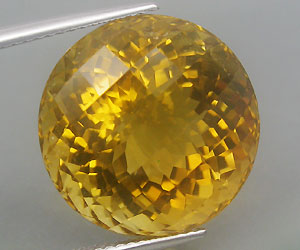
Citrine as a Birthstone
If you're born in November, citrine is your lucky charm! It's the modern birthstone for the month, symbolizing abundance, success, and positive energy. Ancient folks believed it carried the sun's power, warding off negativity.
Why citrine over topaz (the traditional November stone)? It's more affordable and just as cheerful. Gifting citrine jewelry for November birthdays is a thoughtful nod to tradition. Pair it with zodiac signs like Sagittarius for extra meaning—it's said to boost creativity and confidence.
Jewelry Tips for Citrine
Ready to rock your citrine? It's super versatile—rings, necklaces, earrings, you name it. Here are some tips to make it shine:
- Settings: Go for yellow gold to enhance the warmth, or white gold/platinum for contrast. Prong settings let light through for max sparkle.
- Pairings: Mix with diamonds for elegance, or amethyst for a quartz family vibe. Avoid overpowering it with bolder stones.
- Styles: Solitaire pendants for casual, cocktail rings for glam. Faceted cuts suit modern looks; cabochons for boho.
- Sizing: For rings, 1–3 carats is comfy; pendants can go bigger.
- Customization: Engrave for personalization or set in birthstone jewelry.
Pro tip: Check for comfort—citrine's smooth, but ensure the setting doesn't snag. And always try it on in different lights!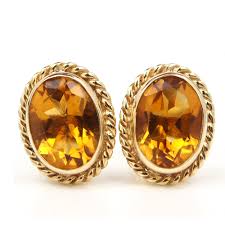
Comparison with Other Yellow Gemstones
Wondering how citrine stacks up against its yellow cousins? Here's a quick table to compare key factors like hardness, price, and uses. Prices are approximate per carat for good quality.
| Gemstone | Hardness (Mohs) | Price Range | Rarity | Common Origins | Best For | Pros | Cons |
|---|---|---|---|---|---|---|---|
| Citrine | 7 | $10–$50 | Common | Brazil, Madagascar | Everyday jewelry, birthstone | Affordable, durable, vibrant color | Often treated, can fade in heat |
| Yellow Sapphire | 9 | $500–$5,000 | Rare | Sri Lanka, Australia | High-end rings, heirlooms | Extremely hard, brilliant | Expensive, heat-treated common |
| Yellow Topaz | 8 | $20–$100 | Moderate | Brazil, Pakistan | Pendants, earrings | Good sparkle, affordable alternative | Brittle, sensitive to knocks |
| Yellow Diamond | 10 | $3,000–$20,000+ | Very Rare | South Africa, Australia | Luxury engagement rings | Ultimate durability, prestige | Sky-high price, ethical concerns |
| Lemon Quartz | 7 | $5–$30 | Common | Brazil, China | Budget jewelry | Pale and cheerful, very cheap | Less valuable, often irradiated |
| Yellow Tourmaline | 7–7.5 | $50–$300 | Moderate | Tanzania, Brazil | Unique cuts, colorful pieces | Variety of shades, natural | Inclusions common, variable quality |
Citrine often wins for value and ease, but if you want rarity, splurge on sapphire or diamond.
FAQs
Q: Is all citrine heat-treated?
A: Not all, but some citrine is—it's amethyst heated to yellow. Natural is rarer; ask for certification if it matters.
Q: Can citrine be worn every day?
A: Absolutely! Its hardness makes it great for daily wear, just protect it from hard impacts.
Q: How do I spot fake citrine?
A: Real citrine has even color distribution and feels cool to the touch. Fakes like glass are warmer and bubbly inside. Get it appraised.
Q: What's the best color for citrine?
A: Golden-orange is ideal—vibrant but not too dark. Personal taste rules, though!
Q: Does citrine have healing properties?
A: Many believe it promotes positivity and wealth, but that's metaphysical. Scientifically, it's just a beautiful quartz.
Q: Where should I buy citrine?
A: Trusted jewelers, online sites like Gemsheaven.se or gem shows. Look for return policies and certs.
There you have it—your go-to guide for citrine! If you've got more questions or want to share your citrine story, hit me up. Happy hunting for that perfect gem!