
Paraiba Tourmaline Buying Guide: Your Ultimate Companion to This Electric Gem
Hey there, gem enthusiast! If you're diving into the world of Paraiba Tourmaline, you're in for a treat. This isn't just any stone—it's like nature's own neon sign, glowing with vibrant blues and greens that can make your heart skip a beat. Whether you're a first-time buyer or a seasoned collector, this guide is here to walk you through everything you need to know. We'll chat about where it comes from, why it's so rare and valuable, the colors that make it pop, the classic 4Cs, some fun jewelry ideas, how to care for it, and tips on spotting the real deal. Let's make sure you snag a piece that's as authentic as your excitement.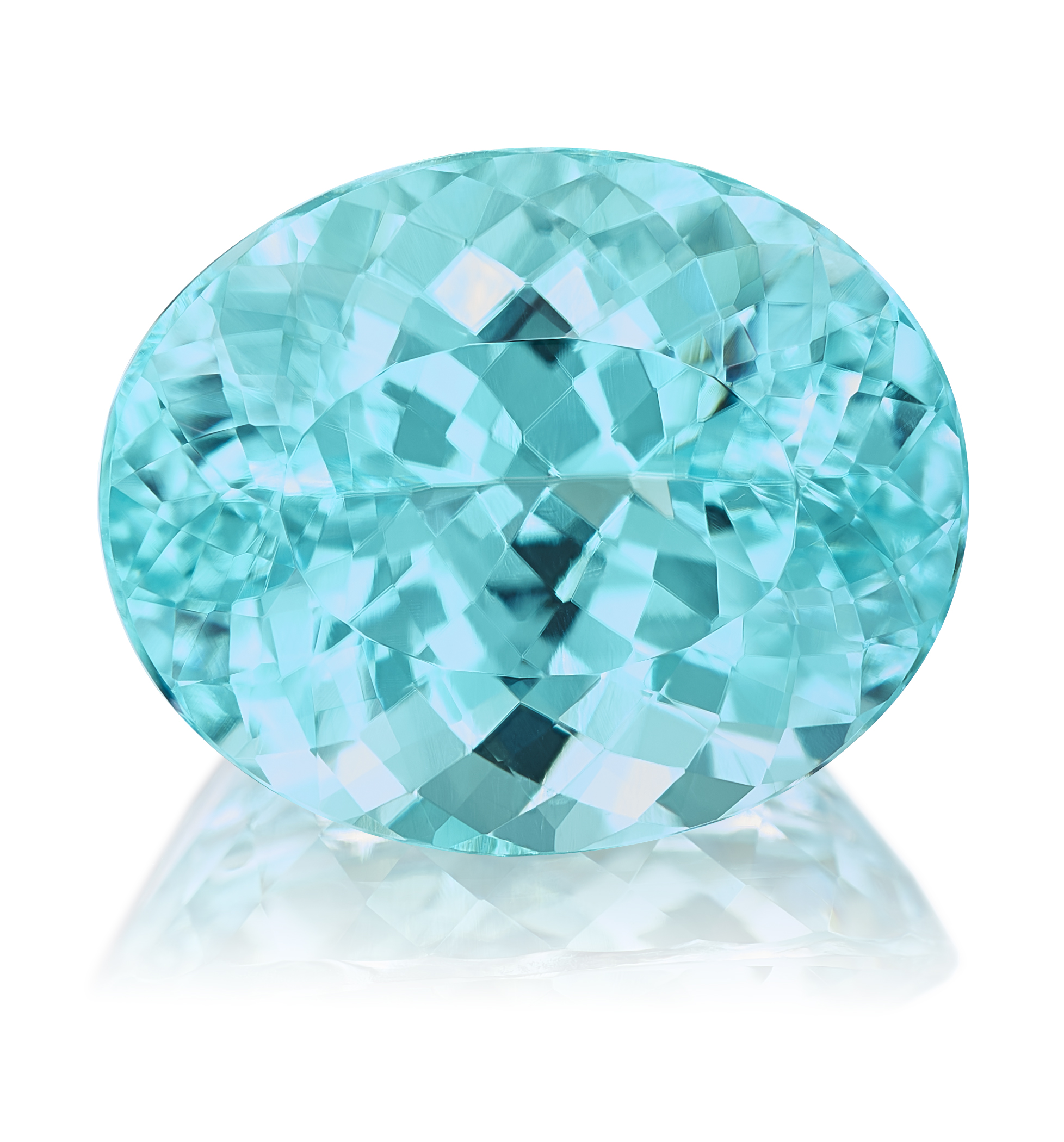
Table of Contents
Summary
Paraiba Tourmaline is a stunning, copper-bearing tourmaline famous for its electric blue-green hues, first discovered in Brazil's Paraíba state in the late 1980s. Today, it also hails from Mozambique and Nigeria, but Brazilian origins often command higher prices due to their prestige. It's incredibly rare—think one-in-a-million finds—which drives its value sky-high, sometimes fetching tens of thousands per carat. Colors range from neon turquoise to vivid green, influenced by copper and manganese. When buying, focus on the 4Cs: color (the star), clarity, cut, and carat weight. It's perfect for bold jewelry like rings or pendants, but handle with care to avoid scratches. Always verify authenticity through certifications, lab tests, or trusted dealers to dodge imitations. By the end of this guide, you'll feel confident hunting for your own sparkling piece!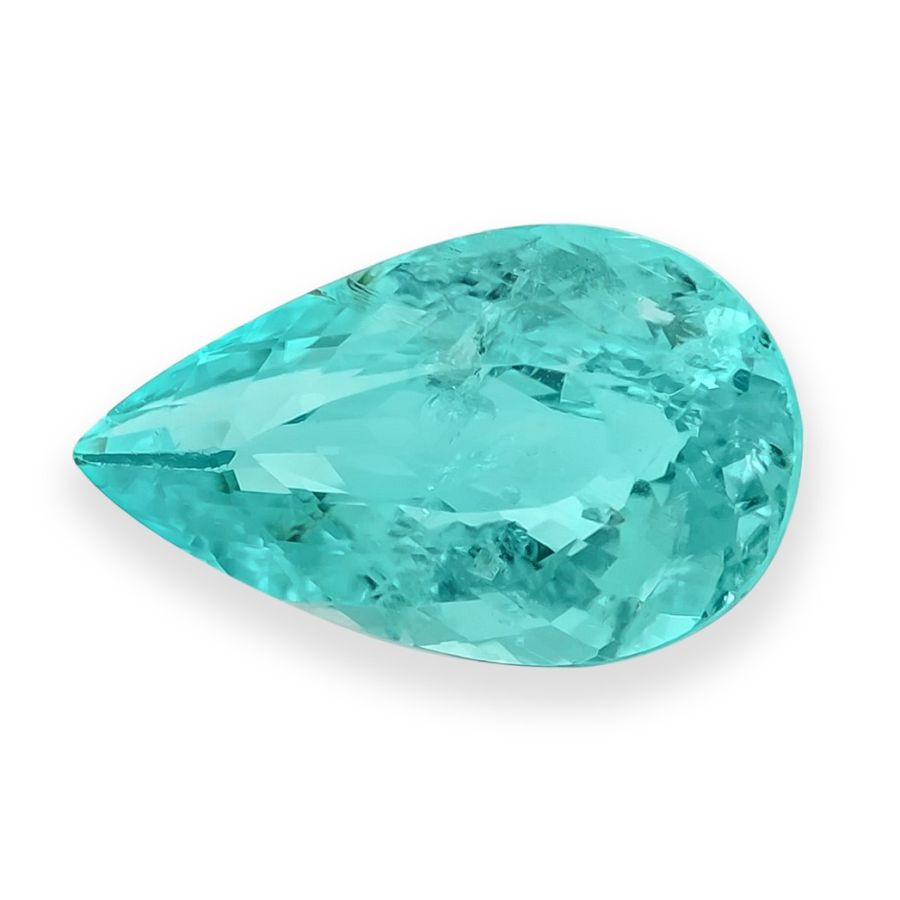
Origins of Paraiba Tourmaline
Let's start at the beginning—where does this dazzling gem come from? Paraiba Tourmaline burst onto the scene in 1989 when miners unearthed it in the hills of Paraíba, Brazil. It was a game-changer because of its unique copper content, which gives it that signature glow. The original mines in Brazil, like those in São José da Batalha, produced some of the finest specimens, but they're mostly depleted now, making Brazilian Paraiba even more coveted.
Fast forward a bit, and similar tourmalines popped up in Mozambique around 2001, followed by Nigeria. Mozambican Paraiba often has a slightly different vibe—sometimes more greenish or with subtle variations due to the geology there—but it's still classified as Paraiba if it has that copper magic. Nigerian ones are rarer and can be pricier, but Brazil holds the crown for prestige. Why does origin matter? It affects value big time; Brazilian stones can sell for 2-3 times more than their African counterparts because of the "original" label. When shopping, ask for the mine origin—it's like knowing the vintage of a fine wine.
Rarity and Value
Okay, let's talk about why Paraiba Tourmaline isn't something you'll find in every jewelry store window. Rarity is the name of the game here. The Brazilian deposits were tiny and quickly exhausted, producing only a handful of high-quality gems. Mozambique and Nigeria have stepped in, but even those sources are limited—experts estimate that Paraiba makes up less than 1% of all tourmaline mined worldwide. It's like finding a needle in a haystack, but the needle glows!
Value? Buckle up. Prices start around $2,000 per carat for smaller, lower-quality stones and can soar to $50,000+ for top-tier Brazilian pieces over 5 carats. Factors like color intensity, clarity, and origin play huge roles. In auctions, flawless ones have fetched over $100,000 per carat—yep, it's investment-level stuff. But don't worry if that's out of reach; treated or smaller stones from Mozambique offer that Paraiba look for $500-$5,000 per carat. Pro tip: Buy from reputable sources to ensure you're getting value for your buck, as the market's hot and fakes are out there.
Colors of Paraiba Tourmaline
Ah, the colors—this is where Paraiba really shines (literally!). What sets it apart from other tourmalines is that electric, neon-like glow, thanks to copper and sometimes manganese. The classic shade is a vivid turquoise blue-green, often described as "swimming pool blue" or "Windex blue." But it doesn't stop there; you can find pure blues, minty greens, or even violet-tinged ones.
Brazilian Paraiba tends to lean more blue, while Mozambican varieties might have warmer green undertones. The intensity comes from trace elements—more copper means brighter neon. Heat treatment is common to enhance color, but untreated stones are rarer and pricier. When picking one, go for what speaks to you; that inner fire (called fluorescence) makes even smaller stones pop under light. Just remember, the more saturated the color, the higher the price tag.
The 4Cs: Evaluating Quality
Buying gems? You gotta know your 4Cs—color, clarity, cut, and carat. For Paraiba Tourmaline, color reigns supreme. Look for that intense, even hue without zoning (uneven color patches). Clarity-wise, these stones often have inclusions due to their formation, but eye-clean ones (no visible flaws) are ideal and more valuable.
Cut affects brilliance; fancy shapes like oval or pear maximize the glow, but a well-proportioned round or cushion works too. Carat weight: Bigger is better (and rarer), but even sub-1-carat stones can dazzle in jewelry. Unlike diamonds, Paraiba's value isn't strictly tied to carat—color and origin often trump size. Get a gem lab report (like from BGL) to confirm the 4Cs; it'll detail if it's natural, treated, or enhanced.
Jewelry Ideas with Paraiba Tourmaline
Ready to wear your Paraiba? This gem's bold colors scream for statement pieces. Imagine a solitaire ring with a neon blue Paraiba center stone set in white gold—it's modern, eye-catching, and perfect for everyday flair. Or go for a pendant necklace; the stone's glow against your skin is mesmerizing.
For something fancier, pair it with diamonds in earrings or a bracelet—the contrast makes the Paraiba pop. Custom designs are hot; think halo settings or mixed-gem pieces with emeralds for a tropical vibe. It's versatile for both men and women—cufflinks or tie pins for guys. Budget tip: Start with stud earrings around $1,000-$5,000, or splurge on a cocktail ring. Whatever you choose, it'll add that "wow" factor to your collection.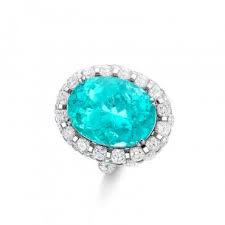
Caring for Your Paraiba Tourmaline
You've got your gem—now let's keep it sparkling! Paraiba scores 7-7.5 on the Mohs scale, so it's durable but not invincible. Avoid knocks; store it separately to prevent scratches from harder stones like diamonds.
Cleaning? Gentle is key—use warm soapy water and a soft brush, then rinse and pat dry. Skip ultrasonics or steam cleaners, as heat treatments could make it sensitive. Remove jewelry before chores, swimming (chlorine hates gems), or workouts. For long-term care, get it checked by a jeweler yearly for loose settings. With a little TLC, your Paraiba will glow for generations.
How to Check if It's Genuine Paraiba Tourmaline
Nobody wants a fake, right? Spotting genuine Paraiba starts with the source—buy from certified dealers or auction houses with return policies. Look for that telltale neon glow; imitations like glass or synthetic tourmaline lack the inner fire.
Get a lab certificate from GIA, BGL, or IGI confirming it's copper-bearing tourmaline from Paraiba regions. Use a loupe to check inclusions—real ones have natural flaws, while fakes might be too perfect. UV light test: Authentic Paraiba often fluoresces pink or orange. Price is a clue; if it's suspiciously cheap, red flag! For extra surety, consult a gemologist—they can do advanced tests like spectroscopy to verify copper content.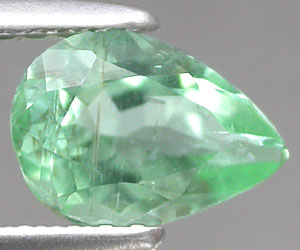
FAQs
Q: Is Paraiba Tourmaline the same as regular tourmaline?
A: Nope! It's a specific type with copper that gives it that unique electric color. Regular tourmaline comes in many hues but lacks the neon punch.
Q: Can I wear Paraiba Tourmaline every day?
A: Absolutely, but treat it kindly—it's tough enough for daily wear in rings or pendants, just avoid heavy impacts.
Q: What's the difference between Brazilian and Mozambican Paraiba?
A: Brazilian is the OG, often bluer and pricier due to rarity. Mozambican can be greener and more affordable, but both are legit if copper-bearing.
Q: Are there ethical concerns with buying Paraiba?
A: Like any gem, check for responsible sourcing. Many dealers offer conflict-free options from regulated mines in Brazil or Mozambique.
Q: How much should I budget for a starter piece?
A: For a small, quality stone in jewelry, aim for $1,000-$10,000. It scales up with size and origin.
Q: Does Paraiba Tourmaline appreciate in value?
A: Often yes! Its rarity means prices have trended up, especially for untreated Brazilian stones—great for collectors.
There you have it—your friendly roadmap to Paraiba Tourmaline heaven. If this sparks your interest, hit up a trusted jeweler and start your hunt. Happy gemming!