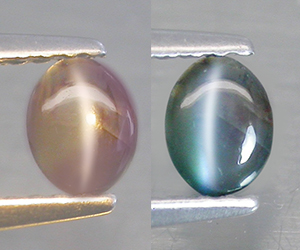
Alexandrite Cat's Eye Buying Guide
Hey there, gem enthusiast! If you're diving into the world of rare stones, Alexandrite Cat's Eye is like hitting the jackpot – it's not just beautiful, it's downright magical. Imagine a gem that changes colors like a chameleon and has that silky cat's eye glow. But buying one? That's where things get exciting (and a bit tricky). In this guide, we'll chat about everything you need to know to snag the perfect piece without any regrets. Let's make this fun and informative, shall we?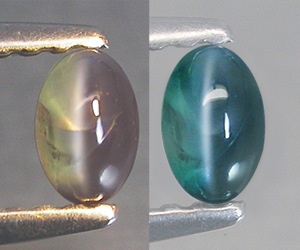
Table of Contents
- Summary
- What is Alexandrite Cat's Eye?
- Origin and Sources
- Rarity: Why It's So Special
- The 4C's: Your Buying Checklist
- Value and Pricing
- Care and Maintenance
- Comparison with Other Cat's Eye Gemstones
- FAQs
Summary
Alexandrite Cat's Eye is an ultra-rare gemstone that's a variety of chrysoberyl, combining color-changing magic (green in daylight to red under incandescent light) with a shimmering cat's eye effect. Discovered in Russia but now sourced from places like Brazil, Madagascar and Sri Lanka, it's prized for its rarity and can fetch top dollar – think $15,000+ per carat for the best ones. This guide covers origins, how to evaluate it using the 4C's, care tips, and even stacks it up against other cat's eye stones. Whether you're a collector or just curious, you'll walk away ready to buy smart.
What is Alexandrite Cat's Eye?
Okay, let's start with the basics – what exactly are we talking about here? Alexandrite Cat's Eye is a superstar in the gem world. It's a type of chrysoberyl that pulls off two incredible tricks: it changes color based on the light (that's the "alexandrite" part), and it has this chatoyancy, or cat's eye effect, where a silvery band of light dances across the stone like a cat's pupil.
Picture this: in daylight or fluorescent light, it might look greenish-brown, but flip on a warm bulb, and bam – it turns reddish-purple. And that cat's eye? It's caused by tiny needle-like inclusions that reflect light in a straight line. Not all alexandrites have the cat's eye, and not all cat's eyes change color, so when you get both? That's rare gemstone gold.
If you're new to this, think of it as nature's mood ring with a fancy glow-up. It's often cut into cabochons (those smooth, domed shapes) to show off the eye best. Ready to hunt one down? Let's keep going.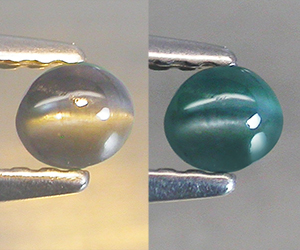
Origin and Sources
Where does this beauty come from? Alexandrite was first discovered in the Ural Mountains of Russia back in the 1830s, named after Czar Alexander II. But the cat's eye version? That's even more elusive. Today, the best sources include Brazil, Sri Lanka, India, Tanzania, and Madagascar. Sri Lanka is famous for high-quality chrysoberyl cat's eyes, and Brazil often produces those with strong color changes.
Pro tip: Origin can affect value – Russian stones are legendary but super rare now, so most on the market are from newer mines. Always ask for a gem lab certificate (like from GIA) to confirm it's natural and where it's from. It's like getting a passport for your gem!
Rarity: Why It's So Special
Let's be real – Alexandrite Cat's Eye isn't something you'll find at your local mall. It's one of the rarest gems out there because it needs the perfect combo of chromium for color change and those precise inclusions for the cat's eye. Most chrysoberyl is just plain yellow-green, but add the color shift and chatoyancy? Boom, rarity skyrockets.
Fine specimens over 1 carat with a sharp eye and vivid color change are like unicorns – especially if they're eye-clean (no visible flaws). That's why collectors go nuts for them. If you're buying, know that synthetic versions exist, but nothing beats the real deal's vibe and value.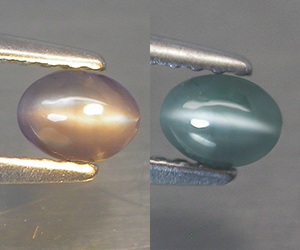
The 4C's: Your Buying Checklist
Ah, the 4C's – the gem world's version of a report card. For Alexandrite Cat's Eye, we tweak the classic diamond ones a bit since it's all about phenomena over sparkle. Here's the breakdown:
- Color: The star here is the change – look for a strong shift from green/daylight to red/incandescent. Top gems show 80-100% change. For the cat's eye, a milky or honey-yellow base is common, but vivid hues win.
- Clarity: Inclusions create the eye, but you want them aligned perfectly without clouding the stone. Aim for translucent to transparent with no cracks. Eye-clean is ideal.
- Cut: Cabochon all the way to highlight the eye. It should be symmetrical, with the eye centered and sharp from edge to edge. Avoid flat tops or uneven bases.
- Carat Weight: Bigger isn't always better, but over 2-3 carats? That's rare and pricey. Start small if you're on a budget – even 1-carat stunners exist.
Test it under different lights before buying. And remember, a sharp, centered eye trumps size every time.
Value and Pricing
How much will this set you back? Value hinges on that color change strength, eye sharpness, size, and clarity. Entry-level pieces might start at $185 per carat, but top-tier ones? Up to $20,000+ per carat for stones with perfect shifts and no flaws.
Factors boosting price: Strong origin (like Sri Lanka), lab certification, and rarity. Treated stones (rare, but possible like irradiation) are cheaper. Shop from reputable dealers – fakes are out there, often synthetic alexandrite without the real eye.
Budget tip: If $15,000 sounds steep, look for smaller stones or those with subtler changes – still gorgeous!
Care and Maintenance
Good news: With a hardness of 8.5 on the Mohs scale, Alexandrite Cat's Eye is tough – perfect for everyday jewelry. But treat it like a friend: Clean with warm soapy water and a soft brush. Avoid harsh chemicals or steam cleaners.
Ultrasonic? Maybe, but skip if unsure about inclusions. Store separately to prevent scratches, and get it checked by a jeweler yearly. Oh, and don't expose it to extreme heat – it could affect the color. With a little love, it'll shine for generations.
Comparison with Other Cat's Eye Gemstones
Not all cat's eyes are created equal! Alexandrite Cat's Eye stands out for its color change, but here's how it stacks up against others. I've put it in a handy table for quick comparison:
| Gemstone | Hardness (Mohs) | Common Colors | Rarity Level | Average Price per Carat | Key Features | Best For |
|---|---|---|---|---|---|---|
| Alexandrite Cat's Eye | 8.5 | Green to Red (color-changing) | Extremely Rare | $185 - $20,000+ | Color change + sharp chatoyancy | Collectors, high-end jewelry |
| Chrysoberyl Cat's Eye | 8.5 | Yellow-Green, Honey | Rare | $75 - $2,000 | Strong eye, no color change | Astrology (Ketu), affordable luxury |
| Quartz Cat's Eye | 7 | Gray, Green, Yellow | Common | $5 - $50 | Mild chatoyancy, often Tiger's Eye variant | Budget buys, casual wear |
| Apatite Cat's Eye | 5 | Blue, Green | Uncommon | $20 - $200 | Soft eye, vibrant colors | Unique pieces, but fragile |
| Tourmaline Cat's Eye | 7-7.5 | Green, Pink | Rare | $100 - $1,000 | Good eye, variety of colors | Color lovers, medium durability |
| Sillimanite Cat's Eye | 6.5-7.5 | Blue, Gray | Uncommon | $50 - $300 | Fibrous eye, sometimes star effect | Alternative to pricier options |
| Scapolite Cat's Eye | 5.5-6 | Yellow, Pink | Uncommon | $30 - $150 | Decent eye, but softer material | Entry-level phenomenal gems |
From this, you can see Alexandrite Cat's Eye is the premium pick for rarity and wow factor, while quartz versions are great starters. If durability matters, stick to higher hardness like chrysoberyl.
FAQs
Q: Is Alexandrite Cat's Eye the same as regular Cat's Eye?
A: Nope! Regular cat's eye is usually chrysoberyl without color change. Alexandrite adds that magical shift.
Q: How can I tell if it's real?
A: Get a GIA or similar cert. Check the color change under lights and ensure the eye moves smoothly.
Q: What's the best size to buy?
A: For value, 0.1-2 carats is sweet – larger ones are rarer and pricier.
Q: Can I wear it daily?
A: Absolutely, it's durable! Just clean it gently and avoid knocks.
Q: Are there synthetics?
A: Yes, lab-grown alexandrite exists, but true cat's eye synthetics are rare. Always verify.
Q: Why is it so expensive?
A: Rarity! The dual effects make it one-of-a-kind.
There you have it – your friendly guide to Alexandrite Cat's Eye. If you're ready to buy, start with trusted sellers and enjoy the hunt. Got more questions? Feel free to contact us!