
Andesine Information Guide
Hey there, gem enthusiast! If you're diving into the world of andesine, you're in for a treat. This reddish beauty from the feldspar family has a bit of mystery, magic, and sparkle to it. Whether you're a collector, a jewelry lover, or just curious, I'll cover the basics and beyond.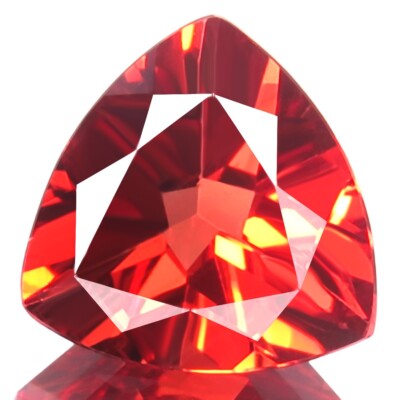
Table of Contents
- Summary
- Origin
- History
- The 4Cs of Andesine
- Value
- Price
- Rarity
- Treatment
- Healing Powers
- Jewelry Tips
- Care
- Comparison Table: Andesine vs. Other Gemstones
- FAQs
Summary
Andesine is that intriguing gemstone that's part of the plagioclase feldspar family, often showing off reddish hues with a subtle shimmer. It's not as famous as diamonds or sapphires, but it's got its own charm—think of it as the underdog with a magical twist. Originating from places like the Andes Mountains (hence the name), it's been around since the 1800s but really hit the gem scene in the 2000s. People love it for its affordability compared to rubies, its potential healing vibes for stress relief and emotional balance, and its versatility in jewelry. But heads up: a lot of it is treated to boost that color, so knowing what you're getting is key. Overall, if you're after a stone that's rare in top quality, conversational in appeal, and packed with personality, andesine might just be your new fave.
Origin
So, where does this gem come from? Andesine gets its name from the Andes Mountains in South America, where it was first spotted. But it's not picky about location—it's found all over the world in volcanic and metamorphic rocks. Key spots include Colombia, the Congo, Madagascar, India, Mongolia, Tibet, and even parts of the US like California and Oregon. It's formed in igneous rocks like andesite (yep, named after that too) or through high-pressure metamorphism. If you're imagining it bubbling up from ancient volcanoes, you're spot on—it's got that earthy, adventurous origin story.
History
Andesine's backstory is like a gemstone detective novel. It was officially noted in the early 1800s, with the first mention in an 1842 report from a Colombian mine. But it stayed under the radar until the early 2000s when red varieties from the Congo and Tibet started popping up in markets, marketed as natural beauties. Turns out, many were treated, sparking controversies and investigations that shook up the gem world. Today, it's making a comeback with better transparency (pun intended), and it's often called andesine-labradorite to nod to its feldspar roots. It's not ancient like emeralds, but its modern drama adds to the allure.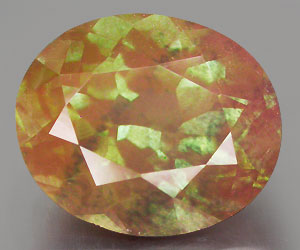
The 4Cs of Andesine
Alright, let's break down the 4Cs — color, clarity, cut, and carat. These are what make or break a gem's appeal.
- Color: Andesine shines in reds, oranges, and greens, sometimes with a champagne or pink twist. The bright red ones are the stars, often with a subtle labradorescence (that metallic sheen). Some even change colors under different lights—what a show-off!
- Clarity: It ranges from transparent to opaque. Top gems are eye-clean, but inclusions like rutile needles are common and can add character. Don't sweat minor flaws; they tell the stone's story.
- Cut: Faceted cuts like ovals or cushions bring out the sparkle, while cabochons highlight the shimmer. A good cut maximizes that iridescence without wasting material.
- Carat: Size matters, but andesine isn't super heavy, so bigger pieces don't always cost a fortune. Go by what fits your style rather than just weight.
Value
What makes andesine worth your while? It's all about those 4Cs plus rarity and treatments. Vivid colors, especially red with optical effects, bump up the value big time. Untreated stones are prized, but even treated ones can be valuable if disclosed. Compared to rubies, it's a steal—think budget-friendly red gem vibes. Overall, its value lies in its uniqueness and that feel-good energy it brings.
Price
Let's talk money. As of 2025, average retail prices per carat for high-quality andesine (VVS clarity, excellent cut) range from about $7 for lighter yellows to $34 for medium reds in 1-ct sizes, going up slightly for larger stones. Faceted gems can hit $50-$150 per carat, while cabochons are $10-$60. Rough is cheap at $0.70-$20 per carat. In jewelry? Rings might cost $100-$20,000, pendants $50-$3,400, depending on the bling factor. Shop smart—prices vary by source and quality.
Rarity
Andesine isn't everywhere in gem form. Transparent, facetable reds are super rare, making them the unicorns of the bunch. While the mineral is common in rocks, gem-quality stuff, especially untreated, is hard to come by. That's why high-end pieces can fetch top dollar—supply and demand, folks!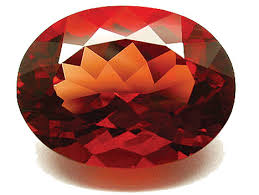
Treatment
Most andesine you see has had a little help. Common treatments include copper diffusion (heating to infuse color) and sometimes irradiation for that extra pop. It's stable post-treatment, but always ask for disclosure. Natural ones exist but are pricier and rarer. The controversy from the 2000s taught the industry to be upfront about this.
Healing Powers
Okay, this is the fun, woo-woo part. Andesine is dubbed the "Stone of Magic" for good reason—it's said to boost your body, mind, and spirit. Tied to the heart chakra, it promotes love, compassion, and emotional balance. Physically, it might help with circulation, eyes, brain stuff, and pain relief. Emotionally, it melts stress, builds confidence, and clears negativity. Spiritually, it's great for meditation and self-reflection. Remember, this isn't medical advice—just crystal lore to ponder.
Jewelry Tips
Ready to wear it? Andesine is perfect for pendants, earrings, and necklaces where it can show off its shimmer without too much wear and tear. For rings, use protective settings since it's a bit soft at 6-6.5 Mohs. Pair it with silver for a cool contrast or gold for warmth. It's a great ruby alternative if you want red without the hefty price tag. Pro tip: Buy by size, not just carat, for the best fit.
Care
Treat your andesine like a delicate friend. Clean it with warm soapy water and a soft cloth—no ultrasonics or steamers, as heat could mess with the color. Avoid harsh chemicals, extreme temps, and rough handling. Store it separately to prevent scratches from harder gems. With a little TLC, it'll keep sparkling for years.
Comparison Table: Andesine vs. Other Gemstones
Here's a quick side-by-side to see how andesine stacks up against its feldspar cousins like labradorite, sunstone, and moonstone. These are all in the same family but have their own quirks.
| Aspect | Andesine | Labradorite | Sunstone | Moonstone |
|---|---|---|---|---|
| Color | Red, orange, green with labradorescence | Grayish with blue/green flash | Orange/red with aventurescence | White/blue with adularescence |
| Hardness (Mohs) | 6-6.5 | 6-6.5 | 6-6.5 | 6-6.5 |
| Rarity | Rare in gem quality, especially red | Common, but high-flash rare | Moderate, Oregon variety prized | Common, rainbow varieties rarer |
| Price (per ct) | $10-$150 (faceted) | $5-$50 | $10-$100 | $5-$50 |
| Optical Effect | Subtle shimmer, sometimes color-change | Strong labradorescence | Sparkly inclusions (aventurescence) | Sheen (adularescence) |
| Common Uses | Jewelry, healing | Jewelry, decor | Jewelry, metaphysical | Jewelry, emotional healing |
| Treatments | Often diffusion-treated | Rarely treated | Sometimes heat-treated | Rarely treated |
Andesine stands out for its warmer reds, while labradorite is all about that bold flash. Sunstone brings the sparkle, and moonstone the dreamy glow.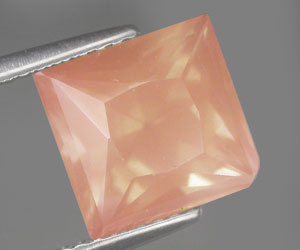
FAQs
Q: Is andesine a real gemstone?
A: Absolutely! It's a legit feldspar variety, though some market names like "andesine-labradorite" reflect its treated origins.
Q: How can I tell if my andesine is treated?
A: Look for internal lines or color concentrations—lab testing is best. Reputable sellers disclose treatments.
Q: What's the best way to use andesine for healing?
A: Wear it near your heart or meditate with it. It's said to balance emotions and boost positivity.
Q: Can andesine be worn every day?
A: Sure, but save it for less rough activities. It's not as tough as sapphire, so gentle wear is key.
Q: Why is red andesine more expensive?
A: It's rarer and often has that cool copper-induced color, plus demand for red gems is high.
There you have it—a full scoop on andesine. If you've got more questions or want to share your own stone stories, hit me up. Happy gem hunting!