
Goshenite Information Guide
Hey there! If you're diving into the world of gemstones, you might have stumbled upon goshenite – that clear, understated beauty that's like the quiet achiever in the beryl family. Whether you're a collector, a jewelry enthusiast, or just curious, this guide's got you covered. We'll chat about everything from its sparkling qualities to its hidden powers, let's get into it!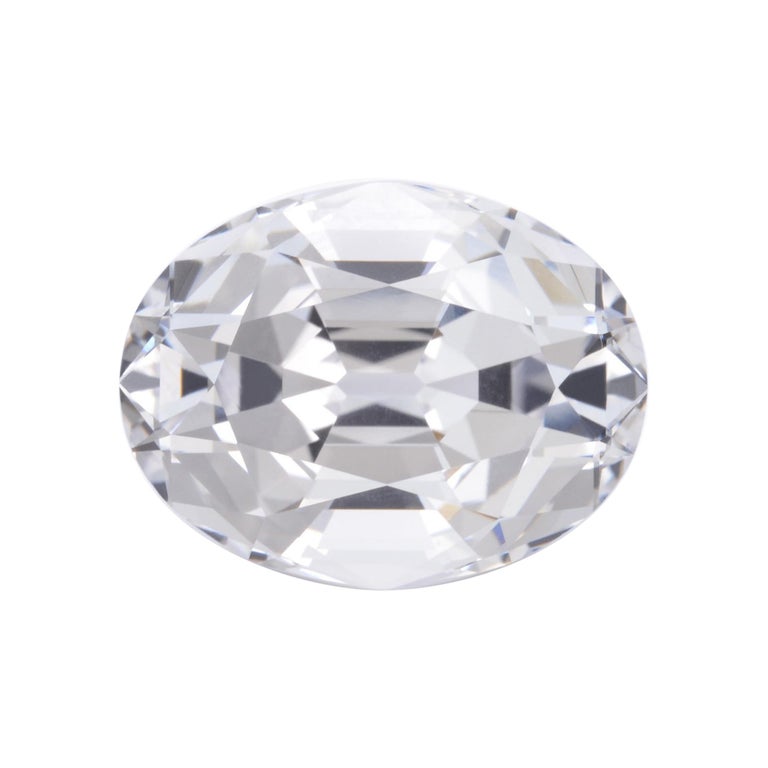
Table of Contents
- Summary
- The 4Cs of Goshenite
- Origin of Goshenite
- History of Goshenite
- Value and Price of Goshenite
- Rarity of Goshenite
- Goshenite as a Birthstone
- Healing Powers of Goshenite
- Jewelry Tips for Goshenite
- Caring for Your Goshenite
- Comparison Table: Goshenite vs. Other White Gemstones
- FAQs
Summary
Goshenite is the colorless variety of beryl, often called the "mother of all gems" because of its pure, transparent vibe. It's like a diamond's chill cousin – affordable, durable, and super versatile for jewelry. Discovered in the 19th century but used way back for things like early eyeglasses, this gem hails mostly from Brazil and packs some cool metaphysical perks like boosting clarity and creativity. If you're after a white gem that's not over-the-top pricey, goshenite might just be your new fave. Stick around as we break it all down!
The 4Cs of Goshenite
Alright, let's talk shop with the 4Cs – that's color, clarity, cut, and carat weight, the basics for sizing up any gem.
Color: Goshenite is all about being colorless. It's the purest beryl out there, without the green of emerald or blue of aquamarine. That crystal-clear look makes it sparkle like nobody's business, especially when light hits it just right.
Clarity: These gems are usually super clean, meaning few inclusions or flaws. Unlike its emerald sibling that often has those garden-like imperfections, goshenite is eye-clean most of the time, giving it that flawless appeal.
Cut: To really bring out its brilliance, goshenite is often faceted – think round brilliant or emerald cuts. A good cut maximizes that vitreous luster and makes it pop in jewelry. Cabochons are less common but can highlight its subtle glow.
Carat: Size-wise, you can find goshenite in everything from tiny accents to bigger statement pieces. Since it's not rare, larger carats won't break the bank like they would with diamonds.
Origin of Goshenite
Goshenite pops up in some pretty cool spots around the globe. It's formed in pegmatite deposits or metamorphic rocks, where beryllium-rich fluids do their magic. Brazil is the big player for high-quality stuff, but you'll also find it in Namibia, Pakistan, China, Colombia, and even the US – it's named after Goshen, Massachusetts, after all! Other sources include Russia, Canada, and parts of Europe and Africa. Erosion often washes these hardy crystals into streams, making them easier to hunt.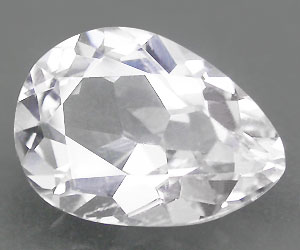
History of Goshenite
Goshenite's story goes way back. Ancient folks might have used it for divination or even biblical references – some say it was part of God's chariot wheels! Officially discovered in 1844 by Charles Upham Shepard, it got its name from that Massachusetts town. By the 13th century, its clarity made it perfect for the first eyeglasses and optical tools like telescopes. Fast-forward to today, and it's even featured in anime like "Land of the Lustrous." Pretty neat evolution from ancient tool to modern gem.
Value and Price of Goshenite
What makes goshenite valuable? It's all about that purity and size. High-clarity, well-cut pieces are prized, but overall, it's one of the more budget-friendly gems out there. Prices typically range from $6 to $30 per carat for faceted stones, while rough ones might go for just $0.30 to $1.83 per carat. Jewelry? You could snag a bracelet for $16-40 or a fancy piece up to $3,200, depending on the setting. Compared to diamonds, it's a steal if you want that clear look without the hefty tag.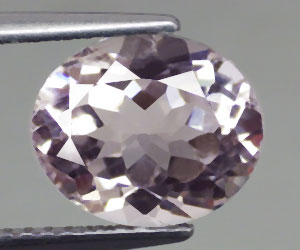
Rarity of Goshenite
Is goshenite hard to find? Not really – it's abundant compared to flashy beryls like emerald. But top-tier, large, flawless specimens? Those can be rarer and pricier. Since it's lesser-known, you might not see it everywhere in stores, which adds a bit of exclusivity without the unicorn status.
Goshenite as a Birthstone
Goshenite isn't a traditional birthstone like aquamarine (March), but it's linked to the beryl family, so it vibes with that. It's especially tied to Gemini and Taurus signs, symbolizing clarity and truth. If you're one of those, wearing goshenite could feel like a personal talisman for focus and honesty.
Healing Powers of Goshenite
On the metaphysical side, goshenite is a powerhouse. Known as the "Mother of Crystals," it's said to promote truthfulness, self-control, and clarity of mind. It activates the crown chakra, helping with spiritual awareness, creativity, and even lucid dreaming. Physically, it might ease headaches, eye issues, allergies, or hormonal stuff like PMS. Emotionally, it lifts worries and sparks compassion. Think of it as your zen buddy in crystal form.
Jewelry Tips for Goshenite
Ready to rock some goshenite bling? Its hardness makes it great for everyday wear – rings, earrings, pendants, you name it. Pair it with any metal; its neutrality shines in silver or gold. For engagements, it's a diamond alternative in some cultures, offering sparkle on a budget. Tip: Go for faceted cuts to amp up the light play, and mix it with colored gems for contrast. Just avoid setting it next to softer stones to prevent scratches.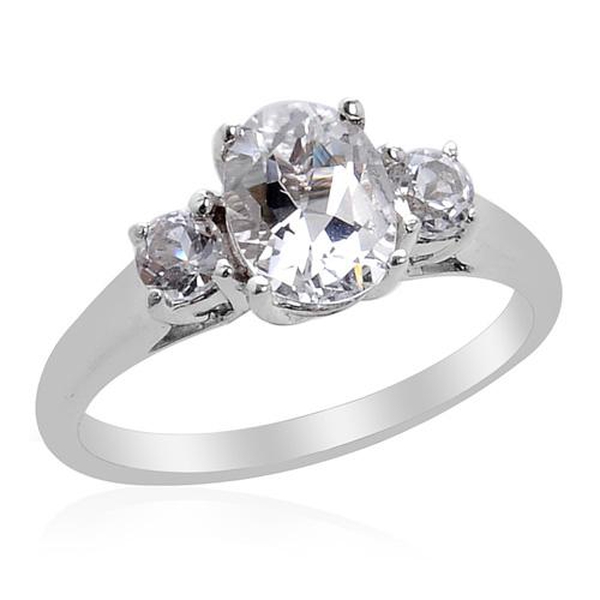
Caring for Your Goshenite
Keeping goshenite looking sharp is easy-peasy. Clean it with warm soapy water and a soft cloth – rinse well to ditch any residue. Skip ultrasonic cleaners or steam; they're too harsh. Store it separately in a soft pouch to avoid dings from harder gems like sapphire. Avoid chemicals like bleach during wear or cleaning, and take it off for heavy chores. With that, it'll stay brilliant for years!
Comparison Table: Goshenite vs. Other White Gemstones
Wondering how goshenite stacks up against other clear contenders? Here's a handy table to compare key traits. (Prices are approximate per carat for average quality.)
| Gemstone | Hardness (Mohs) | Refractive Index | Density | Average Price per Carat | Brilliance/Fire | Rarity |
|---|---|---|---|---|---|---|
| Goshenite | 7.5-8 | 1.57-1.59 | 2.6-2.8 | $6-30 | Moderate | Common |
| Diamond | 10 | 2.42 | 3.52 | $1,000+ | Exceptional | Rare |
| White Sapphire | 9 | 1.76-1.77 | 3.95-4.03 | $100-500 | High | Moderate |
| White Topaz | 8 | 1.61-1.64 | 3.49-3.57 | $5-50 | Good | Common |
| Quartz | 7 | 1.54-1.55 | 2.65 | $1-10 | Low | Very Common |
Goshenite holds its own as an affordable, durable option with decent sparkle, but it won't outshine a diamond's fire. It's softer than sapphire or topaz but tougher than quartz, making it a solid middle-ground pick.
FAQs
What is goshenite exactly?
It's the colorless form of beryl, super transparent and pure – think emerald without the green!
Is goshenite valuable?
It's affordable compared to other gems, but value spikes with size and clarity. Not as pricey as diamonds, which is a win for budgets.
Can goshenite be used in engagement rings?
Absolutely! Its diamond-like look makes it a great alternative, especially if you want something unique and less expensive.
Does goshenite have any healing benefits?
Many believe it helps with mental clarity, stress relief, and even physical issues like headaches. It's all about that positive energy.
How do I tell goshenite apart from diamond?
Test hardness or refractive index – goshenite is softer and less brilliant. A gemologist can confirm with tools.
Is goshenite rare?
Not super rare, but premium pieces are harder to find. It's more about quality than scarcity.
There you have it – your go-to guide on goshenite. If you've got one in your collection or are thinking of getting some, drop a comment or share your thoughts. Happy gem hunting!