
Burma Ruby Information Guide
Hey there! If you're diving into the world of gemstones, Burma rubies (also known as Myanmar rubies) are like the rockstars of the ruby family. They're famous for that intense, fiery red color that just screams luxury and passion. In this guide, we'll chat about everything from their ancient roots to how to care for one if you snag a piece of jewelry. Let's get into it!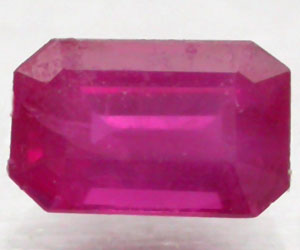
Table of Contents
- Summary
- History of Burma Rubies
- The 4Cs of Burma Rubies
- Value and Rarity
- Price Guide
- Burma Ruby as a Birthstone
- Healing Powers and Metaphysical Properties
- Jewelry Tips
- Care and Maintenance
- Comparison Table: Burma Rubies vs. Other Origins
- FAQs
Summary
Burma rubies have been captivating people for centuries with their deep, vibrant red hues often called "pigeon blood." Originating from the legendary mines in Myanmar (formerly Burma), these gems are prized for their quality, but they're getting rarer due to mining challenges and ethical concerns. We'll cover the essentials like the 4Cs that determine their sparkle, their historical significance, what makes them valuable (and pricey!), their role as July's birthstone, some fun lore on healing powers, tips for wearing them in jewelry, and how to keep them looking fabulous. Plus, a handy comparison with rubies from spots like Mozambique or Thailand. By the end, you'll feel like a ruby expert—ready to hunt for your own or just appreciate their beauty.
History of Burma Rubies
Picture this: Way back around 2500 BC, in the misty valleys of Mogok in what we now call Myanmar, people started mining these stunning red stones. The name "ruby" comes from the Latin word "ruber," meaning red, which makes total sense when you see one up close. For ages, Burma was the go-to spot for the finest rubies, traded along ancient routes and worn by royalty. Warriors in India even believed rubies could make them invincible in battle! Fast forward to modern times, political issues and sanctions have made mining tricky, but the legacy lives on—these gems are still synonymous with top-tier quality and a touch of mystery.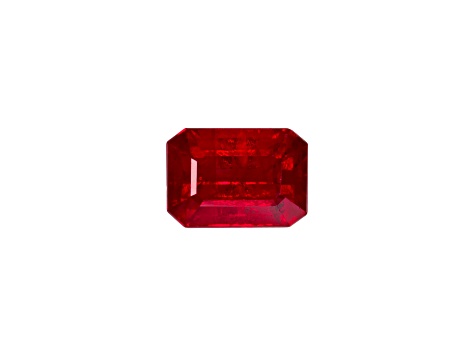
The 4Cs of Burma Rubies
Okay, let's break down what makes a ruby shine using the classic 4Cs: Color, Clarity, Cut, and Carat. These are like the report card for any gem, but for Burma rubies, they really amp up the wow factor.
- Color: This is king! The best Burma rubies have that "pigeon blood" red—a vivid, slightly purplish-red that's not too dark or light. It's all about that intense saturation without brownish tones.
- Clarity: Rubies aren't usually crystal clear like diamonds; they often have inclusions (tiny flaws) that can look like silk threads. In Burma rubies, these can actually enhance the glow, but too many can lower the value.
- Cut: A great cut maximizes the ruby's fire and brilliance. Oval and cushion cuts are popular for rubies since they show off the color well, but it's more about proportion than perfection.
- Carat: Bigger isn't always better, but larger Burma rubies are rare, so size does bump up the price. We're talking weight here—one carat is about 0.2 grams.
Master these, and you'll spot a stellar ruby from a mile away!
Value and Rarity
What makes a Burma ruby worth its weight in... well, rubies? It's a mix of those 4Cs, but origin plays a huge role. Burma rubies are often unheated (no treatments to boost color), which skyrockets their value because it's all natural beauty. Rarity? Oh boy, these gems are getting harder to find. Mining in Myanmar's Mogok region is limited by conflicts and regulations, so supply is low while demand is high. Compared to rubies from newer spots like Africa, Burma ones have that historical prestige and superior fluorescence under UV light, making them sparkle like crazy. If it's vivid, untreated, and from Burma, you're looking at a gem that's not just valuable but investment-level rare.
Price Guide
Alright, let's talk money—how much will a Burma ruby set you back in 2025? Prices vary wildly based on quality, but here's the scoop: For top-tier, pigeon-blood red stones over 1 carat, you're looking at $935,000 to $1,400,000 per carat. More everyday gems? Very good color might run $8,000 to $42,000 per carat, while standard quality starts around $10,000 per carat. Smaller stones or those with treatments are more affordable, say $1,000 to $2,000 for under 1 carat. Remember, unheated Burma rubies command premiums—always get a cert from labs like GIA to confirm. Prices can fluctuate with market trends, so shop around!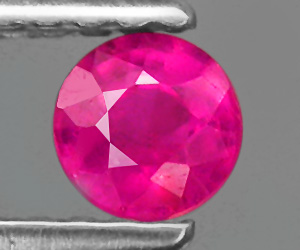
Burma Ruby as a Birthstone
If you were born in July, congrats—ruby is your birthstone, and a Burma one is the ultimate upgrade! Rubies symbolize passion, protection, and prosperity, making them perfect for celebrating life's milestones. Wearing one is said to bring vitality and courage, like a little boost of summer energy year-round. Whether in a ring or pendant, it's a meaningful gift that ties back to ancient traditions where rubies were thought to ward off evil.
Healing Powers and Metaphysical Properties
Now, for the mystical side—rubies aren't just pretty; they've got some lore behind them. In crystal healing circles, Burma rubies are believed to amp up your energy and vitality, helping if you're feeling drained or need a motivation kick. They're linked to the root chakra, grounding you and boosting confidence, passion, and even wealth attraction. Some say they promote positive dreams, strengthen the heart (both literally and emotionally), and protect against negativity. Of course, this is more spiritual than science, but hey, if wearing one makes you feel empowered, why not? It's like carrying a piece of fiery strength in your pocket.
Jewelry Tips
Ready to rock a Burma ruby in jewelry? First, pair it with diamonds or white gold to let that red pop—think classic rings or earrings for everyday elegance. For something bolder, mix with sapphires for a royal vibe. Prong settings are great to show off the stone, but if it's a ring, consider a bezel for protection since rubies are durable (9 on Mohs scale) but not invincible. Tip: Always buy from reputable sellers with certifications, and consider lab reports for authenticity. Oh, and size matters—go for at least 1 carat if you want that statement look!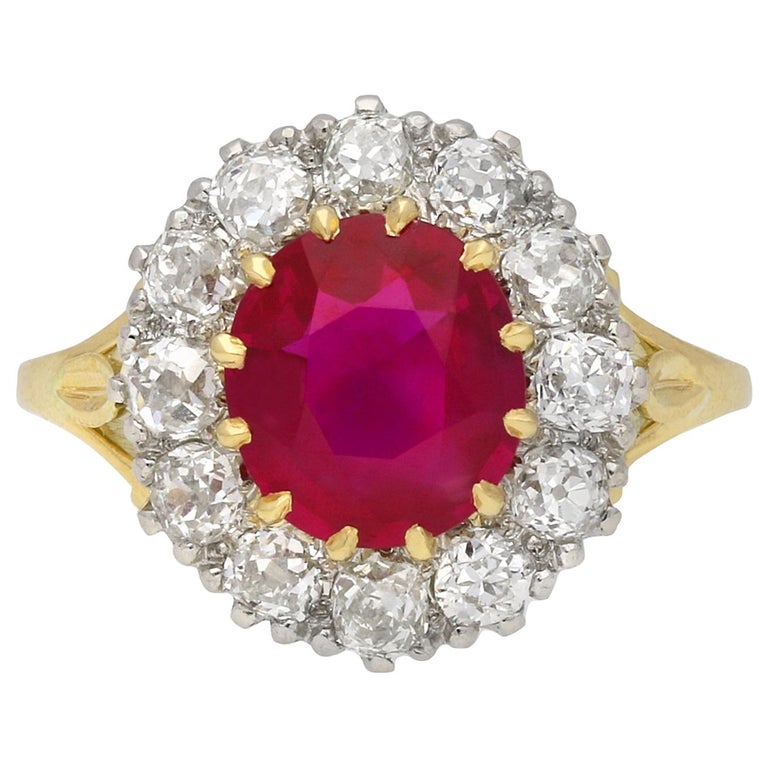
Care and Maintenance
Taking care of your Burma ruby is easier than you think, but treat it like the treasure it is. Clean with warm soapy water and a soft brush—avoid harsh chemicals or steam cleaners, especially if it's treated. Store separately to prevent scratches from harder gems like diamonds. If it's in jewelry, get it checked by a pro yearly for loose settings. And here's a pro tip: Remove it before heavy chores or swimming—chlorine isn't a friend. With a little TLC, your ruby will stay vibrant for generations.
Comparison Table: Burma Rubies vs. Other Origins
Wondering how Burma rubies stack up against those from other places? Here's a quick table to compare key traits. Burma ones often win on color and value, but others can be great budget options.
| Aspect | Burma (Myanmar) | Mozambique | Madagascar | Thailand |
|---|---|---|---|---|
| Color | Pigeon-blood red, vivid & fluorescent | Deep red, sometimes matching Burma but less intense | Bright red with fluorescence | Darker red, often brownish |
| Clarity | Silky inclusions common, natural look | Higher iron, more inclusions | Good clarity, some treatments | Often heat-treated, fewer inclusions |
| Rarity & Availability | Very rare, limited mining | More abundant, newer mines | Common, large deposits | Less common now, historical source |
| Treatments | Often unheated/natural | Frequently glass-filled or flux-treated | Heat-treated common | Heavily treated |
| Price per Carat (Avg.) | $10,000+ (premium up to $1M+) | $1,000–$5,000 | $500–$3,000 | $500–$2,000 |
| Value Factor | Highest prestige, investment | Affordable alternative | Good quality for price | Lower due to color |
FAQs
What's the difference between a Burma ruby and a regular ruby?
Burma rubies come specifically from Myanmar and are known for superior color and rarity. "Regular" rubies could be from anywhere, often treated and less valuable.
How can I tell if my ruby is real?
Look for inclusions under magnification, get a lab cert, and test for hardness. Fakes like glass won't scratch easily or show that natural glow.
Are Burma rubies ethical to buy?
It depends—check for conflict-free certifications. Many sellers focus on old stock or ethical sourcing due to Myanmar's issues.
Can rubies be worn every day?
Absolutely! They're tough, but save them for non-rough activities to keep them pristine.
Why are Burma rubies so expensive?
Rarity, natural quality, and that iconic color drive prices up—supply is low, and demand from collectors is high.
There you have it—a full rundown on Burma rubies! If you've got one or are thinking about it, they're truly special. Got more questions? Feel free to ask. Happy gem hunting!