
Champagne Diamond Information Guide
Table of Contents
- Summary
- The 4Cs of Champagne Diamonds
- Origin
- History
- Value
- Price
- Rarity
- Birthstone
- Healing Powers
- Jewelry Tips
- Care
- Comparison Table: Champagne Diamond vs. Similar Colored Gemstones
- FAQs
Summary
Champagne diamonds are a captivating variety of fancy colored diamonds known for their warm, bubbly hues ranging from light brown to deeper cognac tones. These gems offer an affordable alternative to traditional white diamonds while exuding elegance and sophistication. This guide explores their essential characteristics, from the fundamental 4Cs to their origins, historical significance, and practical uses in jewelry. Whether you're considering a purchase or simply curious, you'll find detailed insights into their value, rarity, metaphysical properties, and care tips. Champagne diamonds blend natural beauty with versatility, making them a popular choice for modern jewelry enthusiasts.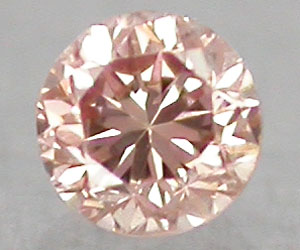
The 4Cs of Champagne Diamonds
The 4Cs—Cut, Color, Clarity, and Carat—are the standard criteria for evaluating all diamonds, including champagne varieties. These factors determine the stone's overall quality and appeal.
Cut refers to how well the diamond has been shaped and faceted. A superior cut enhances the stone's sparkle and fire, allowing light to reflect optimally through its facets. For champagne diamonds, popular cuts include round brilliant, oval, and cushion, which accentuate their warm tones.
Color is particularly distinctive in champagne diamonds. Graded on a scale from C1 (very light champagne) to C7 (deep cognac), the intensity of the brown hue influences desirability. Lighter shades offer subtle elegance, while deeper tones provide a rich, luxurious appearance.
Clarity measures the presence of inclusions or blemishes. Champagne diamonds often have natural inclusions that can add character without detracting from beauty, as their color can mask minor flaws. Grades range from Flawless (FL) to Included (I3), with VS (Very Slightly Included) being a common sweet spot for quality and affordability.
Carat denotes the diamond's weight, where one carat equals 200 milligrams. Larger champagne diamonds are rarer and more valuable, but even smaller stones can make stunning accents in jewelry.
Origin
Champagne diamonds primarily originate from the Argyle Diamond Mine in Western Australia, which was renowned for producing over 90% of the world's pink and champagne diamonds. The unique geological conditions in this region, involving ancient volcanic activity and specific mineral compositions, give these diamonds their signature brownish hues. Other sources include mines in Africa, such as those in South Africa and Angola, and occasionally from Brazil or Russia. However, Australian-sourced champagne diamonds are prized for their consistent quality and color saturation. With the closure of the Argyle mine in 2020, the supply has become more limited, shifting focus to secondary markets and existing stockpiles.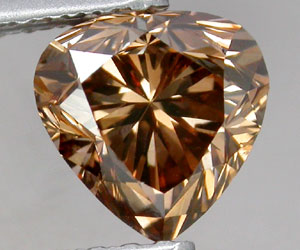
History
The history of champagne diamonds traces back to ancient times when colored diamonds were discovered in India, but they gained prominence in the modern era. In the 1980s, the Argyle mine's discovery revolutionized the market by introducing affordable fancy colored diamonds, including champagne ones, to a broader audience. Previously, brown diamonds were often overlooked or used industrially, dismissed as "off-color." Marketing efforts rebranded them as "champagne" and "cognac" diamonds, evoking luxury and warmth. This shift popularized them in high-end jewelry, with celebrities and designers embracing their unique appeal. Today, they represent a blend of natural rarity and contemporary style, evolving from undervalued gems to sought-after treasures.
Value
The value of champagne diamonds stems from their color intensity, size, and overall quality as per the 4Cs. Unlike white diamonds, where colorlessness increases value, champagne diamonds gain worth from their warm, uniform tones—deeper shades like C6-C7 are often more valuable due to scarcity. Certification from reputable labs, such as the Gemological Institute of America (GIA), adds credibility and can enhance resale value. Market demand also plays a role; their affordability compared to pink or blue diamonds makes them accessible, yet their increasing rarity boosts long-term investment potential. Ethical sourcing, particularly from conflict-free zones, further elevates their intrinsic value in today's conscious consumer landscape.
Price
Prices for champagne diamonds vary widely based on the 4Cs and market conditions. Entry-level stones, such as 0.5-carat pieces with lighter color (C1-C3) and good clarity, typically range from $1,000 to $3,000 per carat. Mid-range options with deeper hues (C4-C6) and larger sizes (1-2 carats) can cost $4,000 to $8,000 per carat. Premium specimens exceeding 2 carats or with exceptional cut and clarity may exceed $10,000 per carat. Factors like treatment (natural vs. enhanced) and mounting in jewelry can influence the final cost. Overall, champagne diamonds offer better value than rarer colored diamonds, with prices reflecting supply constraints post-Argyle closure.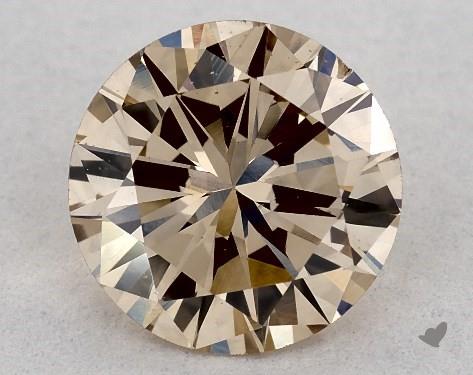
Rarity
Champagne diamonds are considered rare among fancy colored diamonds, comprising only a small fraction of global diamond production. The closure of the Argyle mine has significantly reduced new supply, making untreated, high-quality stones increasingly scarce. While brown diamonds occur naturally in various mines, the specific champagne shade requires precise mineral interactions, limiting availability. Larger stones over 1 carat are particularly uncommon, and those with vivid, even coloration command premium status. As demand grows for unique gems, their rarity continues to rise, positioning them as collectible items rather than mass-market commodities.
Birthstone
Diamonds, including champagne variants, are the traditional birthstone for April. Symbolizing strength, purity, and eternal love, they align with spring's renewal themes. Champagne diamonds add a warm, earthy twist to this association, appealing to those born in April who prefer subtle hues over classic white. In some cultural traditions, brown diamonds represent grounding and stability, enhancing their birthstone significance. They make thoughtful gifts for April birthdays, often set in personalized jewelry to commemorate the occasion.
Healing Powers
Champagne diamonds are believed to possess various healing properties in crystal therapy and metaphysical practices. Their warm brown tones are associated with grounding energy, helping to stabilize emotions and promote a sense of security. They are thought to enhance mental clarity, reduce stress, and foster resilience during challenging times. Physically, some attribute them to supporting digestive health and boosting vitality. As root chakra stones, they encourage balance between the physical and spiritual realms. While these benefits are anecdotal and not scientifically proven, many users incorporate champagne diamonds into meditation or wear them for their purported calming effects.
Jewelry Tips
When incorporating champagne diamonds into jewelry, consider settings that highlight their warm glow. Yellow or rose gold complements their tones beautifully, creating a harmonious look, while platinum offers a modern contrast. For engagement rings, pair them with white diamond accents to add sparkle. In earrings or pendants, cluster designs amplify their subtle elegance. Opt for protective settings like bezels for everyday wear to shield the stone. Mixing with other gems, such as sapphires or emeralds, can create unique color stories. Always consult a jeweler for custom pieces to ensure the diamond's characteristics are maximized.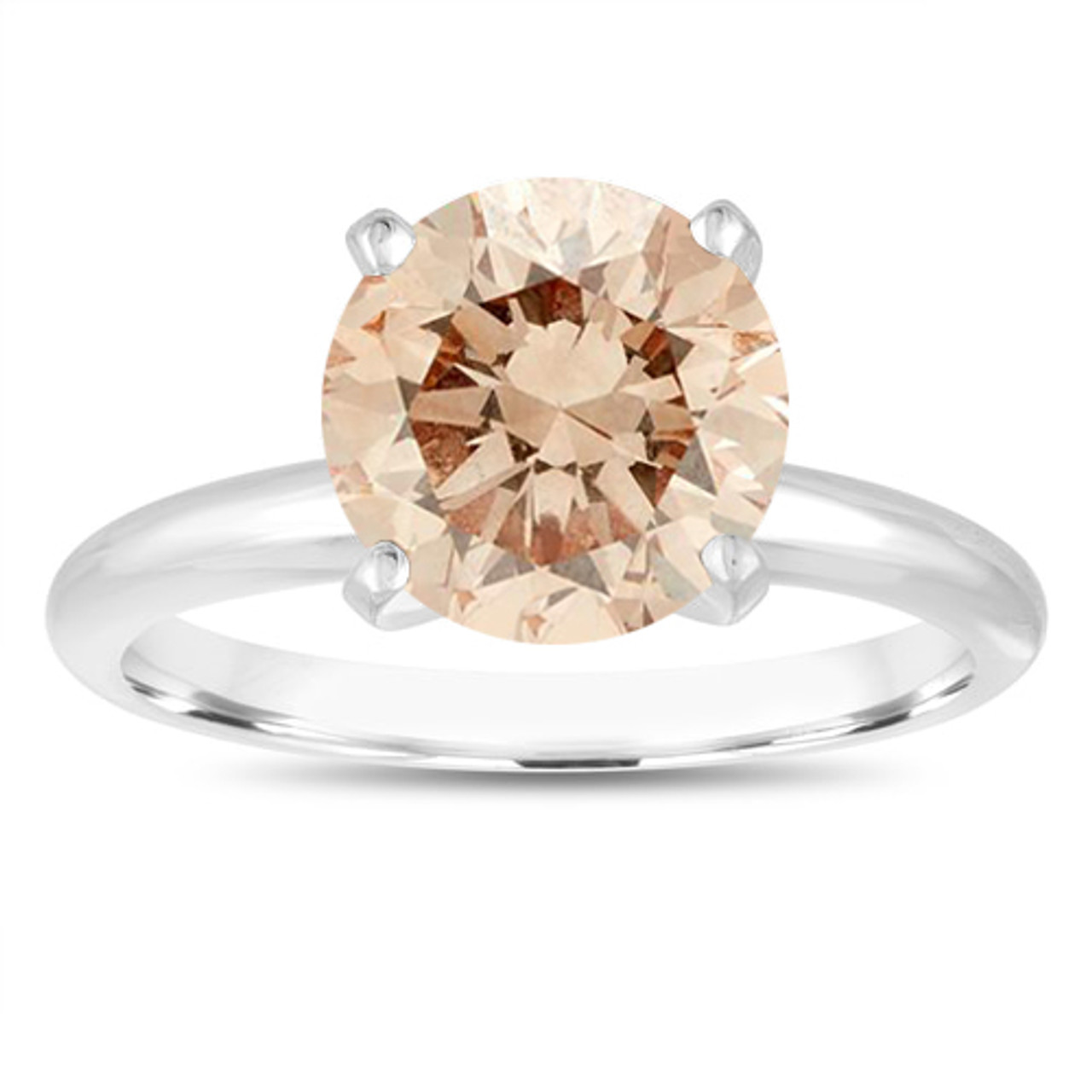
Care
Caring for champagne diamonds follows standard diamond maintenance practices to preserve their brilliance. Clean them regularly with a soft brush, mild soap, and warm water, avoiding harsh chemicals. Ultrasonic cleaners are generally safe but check for inclusions first. Store separately to prevent scratches from harder gems. Professional inspections every six months help detect loose settings or wear. Avoid extreme temperature changes, which could affect clarity. With proper care, champagne diamonds maintain their luster indefinitely, thanks to their exceptional hardness on the Mohs scale.
Comparison Table: Champagne Diamond vs. Similar Colored Gemstones
| Aspect | Champagne Diamond | Citrine | Smoky Quartz | Brown Topaz |
|---|---|---|---|---|
| Color Range | Light brown to deep cognac | Yellow to orange-brown | Smoky brown to gray | Golden brown to reddish |
| Hardness (Mohs) | 10 | 7 | 7 | 8 |
| Rarity | High (limited supply) | Moderate | Common | Moderate |
| Price per Carat | $1,000–$10,000+ | $10–$100 | $5–$50 | $20–$200 |
| Origin | Australia, Africa | Brazil, Madagascar | Brazil, Switzerland | Brazil, Pakistan |
| Durability | Excellent | Good | Good | Very Good |
| Metaphysical Properties | Grounding, stability | Abundance, energy | Protection, calm | Strength, confidence |
| Jewelry Use | High-end rings, pendants | Everyday jewelry | Beads, carvings | Fashion pieces |
FAQs
What makes champagne diamonds different from regular diamonds?
Champagne diamonds are fancy colored diamonds with natural brown hues, offering warmth and affordability compared to colorless white diamonds.
Are champagne diamonds real diamonds?
Yes, they are genuine diamonds formed under the same high-pressure conditions as other varieties, with their color resulting from trace elements like nitrogen.
How do I know if a champagne diamond is authentic?
Look for certification from labs like GIA, which verifies natural color and quality. Reputable jewelers provide these documents.
Can champagne diamonds be used in engagement rings?
Absolutely; their unique color adds a personal touch, and they pair well with various metals for custom designs.
Do champagne diamonds appreciate in value?
With decreasing supply, high-quality pieces have strong investment potential, especially untreated stones from premier sources.
Are there any treatments for champagne diamonds?
Some are enhanced through high-pressure, high-temperature (HPHT) processes to intensify color, but natural ones are more valuable.
What birth month is associated with champagne diamonds?
They share April with all diamonds, symbolizing enduring strength.
How should I clean my champagne diamond jewelry at home?
Use warm soapy water and a soft brush, then rinse and dry gently. Avoid steam cleaners if unsure about inclusions.
Are champagne diamonds ethical?
Many come from conflict-free mines; check for Kimberley Process certification to ensure ethical sourcing.
What colors complement champagne diamonds in jewelry?
Warm tones like yellow gold or earth-toned gems enhance their appeal, while contrasts with white diamonds create dynamic looks.