
Gemstones for Engagement Rings: Your Friendly Guide to Sparkling Choices
Hey there, future ring-shopper! Picking out an engagement ring is one of those exciting, nerve-wracking moments that feels like the start of forever. And while diamonds have long been the go-to, why not add a pop of color or a unique vibe with other gemstones? They're just as stunning, often more affordable, and can say so much about your style and story. In this guide, we're chatting about the major gemstones that make killer center stones for engagement rings: diamonds, sapphires, rubies, emeralds, aquamarines, and morganites. We'll dive into everything from their sparkle secrets to how to keep them shining bright. Grab a coffee, and let's get gemmy!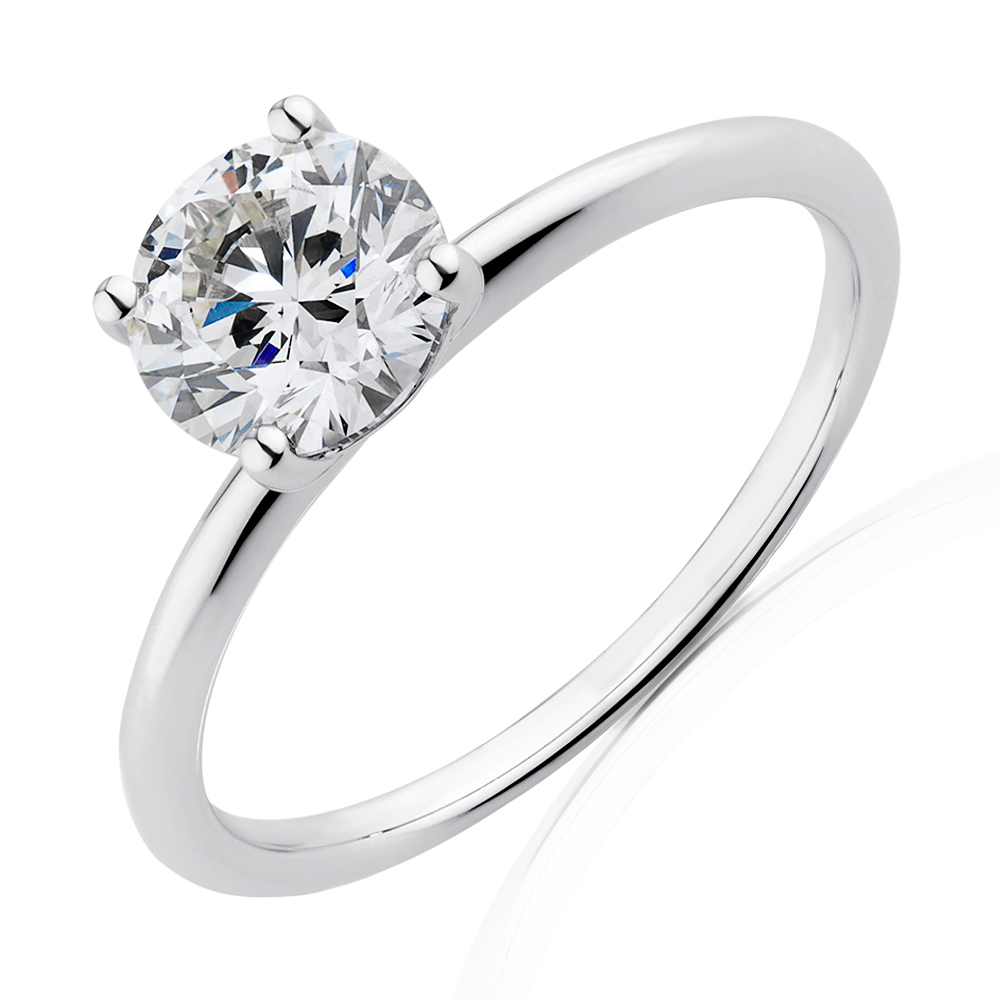
Table of Contents
- Introduction (You're here!)
- Diamond: The Timeless Classic
- Sapphire: Royal Blues and Beyond
- Ruby: Fiery Passion in Red
- Emerald: Lush Green Dreams
- Aquamarine: Serene Sea Blues
- Morganite: Soft Pink Romance
- Comparison Table: At a Glance
- Summary: Wrapping It Up
- FAQs: Your Burning Questions
Diamond: The Timeless Classic
Ah, diamonds—the OG of engagement rings. They're like that reliable best friend who's always there with unmatched sparkle. If you're dreaming of something that screams "forever," this is your gem.
The 4Cs: What Makes It Tick
Diamonds are all about the famous 4Cs: Carat (size—bigger means bolder, but balance it with the others), Cut (how it dances with light; brilliant cuts like round or princess maximize fire), Color (graded D-Z; the less yellow, the cooler—go for near-colorless G-H for that icy white look), and Clarity (how few inclusions; VS1-VS2 is eye-clean and wallet-friendly). Nail these, and you've got a stunner.
Origin and History
These babies form deep in the Earth's mantle under insane pressure and heat, then get blasted up by volcanoes. South Africa, Russia, and Australia are big producers. Historically? Ancient Romans thought they were tears of the gods, and by the 1400s, they were symbols of unbreakable love—thanks to marketing genius De Beers in the 1940s, who made "A Diamond is Forever" a thing.
Value, Price, and Rarity
Value skyrockets with top-tier 4Cs—think ethical sourcing and certifications bump it up too. Prices? A 1-carat, good-quality round diamond runs $4,000–$10,000, but lab-grown ones slash that to $1,000–$3,000. Rarity? Colorless ones are common-ish, but fancy colors like pink? Super rare and pricey.
Birthstone Vibes
April's birthstone—perfect for spring proposals!
Jewelry Tips
Pair it with a classic solitaire for elegance or halo it with smaller diamonds for extra bling. Platinum or white gold settings keep it crisp.
Care Essentials
Tough as nails (Mohs 10), but avoid harsh chemicals. Ultrasonic cleaners? Skip 'em if it's got inclusions. Just soap, water, and a soft brush—store solo to dodge scratches from other jewelry.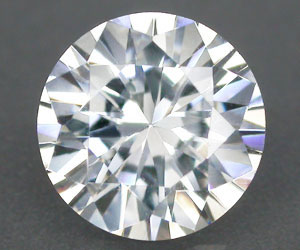
Sapphire: Royal Blues and Beyond
Sapphires are like that sophisticated friend who turns heads without trying too hard. Their deep blues (or pinks, yellows—fancy!) make for rings that feel regal and romantic.
The 4Cs: What Makes It Tick
Carat for presence, Cut to enhance that velvety color (oval or cushion cuts glow), Color is king—vivid cornflower blue is premium; Clarity can have silk inclusions (that's the good stuff for asterism). Heat treatment is common and boosts value if disclosed.
Origin and History
Mostly from Sri Lanka, Myanmar, and Madagascar—corundum mineral zapped with iron and titanium for that hue. Ancient Persians believed they warded off evil eyes; Princess Diana's ring? Iconic sapphire revival in the '80s.
Value, Price, and Rarity
Premium Kashmir blues fetch top dollar for their velvety softness. A 1-carat untreated? $1,000–$5,000; treated, $450–$1,600. Rarity amps up with size and untreated status—big, clean ones? Unicorn territory.
Birthstone Vibes
September's go-to—autumn weddings, anyone?
Jewelry Tips
Yellow gold warms up the blue; try a vintage-inspired setting with diamond accents for contrast.
Care Essentials
Mohs 9 means durable, but watch for thermal shock. Mild soap and soft cloth; no steam cleaners. Store away from harder gems.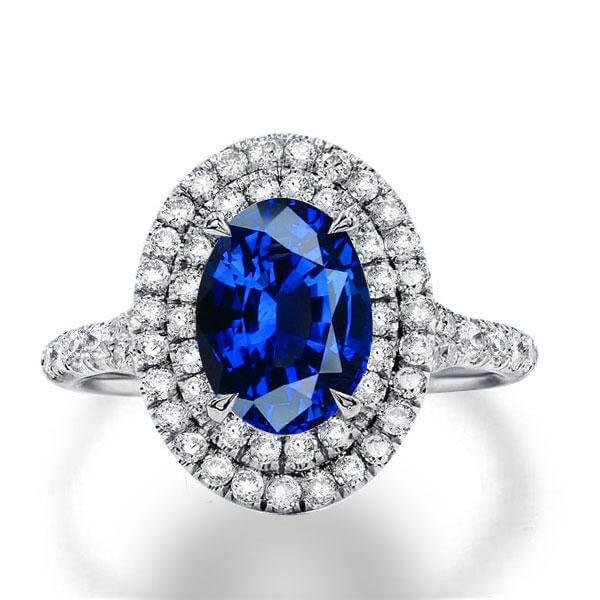
Ruby: Fiery Passion in Red
Rubies? Pure fire—think bold reds that scream "I love you" with intensity. They're for the couple who wants their ring to match their spicy chemistry.
The 4Cs: What Makes It Tick
Carat for wow-factor, Cut to release fluorescence (cushion or emerald cuts pop), Color rules—pigeon's blood red is the holy grail; Clarity loves natural inclusions (called "silk"). Treatments like heat or flux healing? Common, but untreated Burmese? Gold standard.
Origin and History
Burma (Myanmar), Thailand, and Mozambique lead production—aluminum oxide with chromium for the red glow. Cleopatra hoarded them; in Hindu lore, they're the "lord of gems" for protection and vitality.
Value, Price, and Rarity
Color intensity drives value—vivid, unheated ones command premiums. 1-carat? $1,000–$10,000+; super-fine Burmese can hit six figures. Rarity? High for large, clean stones—Burmese supply's dwindled.
Birthstone Vibes
July's birthstone—summer heat in gem form!
Jewelry Tips
Rose gold enhances the warmth; bezel settings protect the edges for daily wear.
Care Essentials
Mohs 9, but inclusions can crack under impact. Gentle ultrasonic OK if no fractures; clean with warm soapy water. Avoid acids.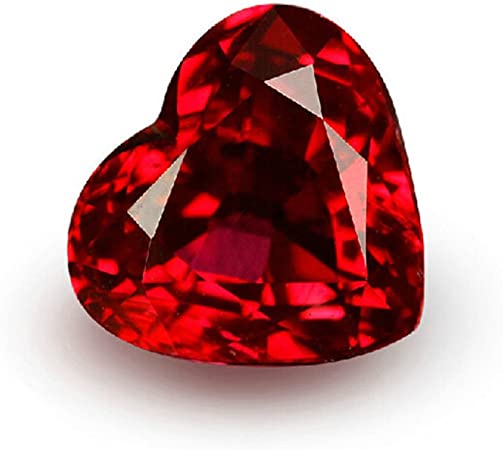
Emerald: Lush Green Dreams
Emeralds bring that fresh, forest vibe—like a walk in the woods, but on your finger. Their green glow is hypnotic and full of lore.
The 4Cs: What Makes It Tick
Carat for drama, Cut to minimize inclusions (step cuts like emerald shape work best), Color is everything—vivid bluish-green; Clarity? Expect "jardin" (garden-like inclusions)—VS is great. Oil treatments fill cracks; check for that.
Origin and History
Colombia, Zambia, Brazil—beryl with chromium and vanadium. Incas called them "tears of the goddess"; Cleopatra's fave, and they symbolized rebirth in ancient Egypt.
Value, Price, and Rarity
Colombian ones rule for their saturation. 1-carat fine? $2,000–$20,000; trapiche (star-patterned) are rare gems. Prices soar with size—clean over 5 carats? Mega-rare.
Birthstone Vibes
May's birthstone—spring renewal energy.
Jewelry Tips
Yellow gold complements the green; prong settings let light in, but protect with a halo if active lifestyle.
Care Essentials
Mohs 7.5–8, so softer—avoid knocks. No ultrasonics or heat; oil can dry out, so re-oil pros do it. Soft brush and mild soap only.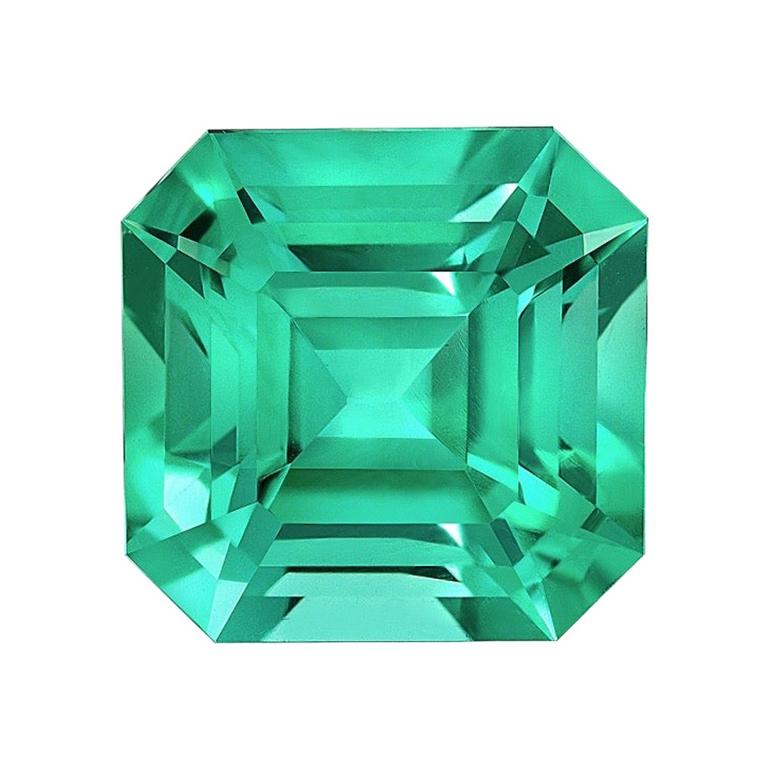
Aquamarine: Serene Sea Blues
Aquamarine feels like a beach getaway—calm, cool blues that whisper "peaceful forever." It's understated elegance with a watery twist.
The 4Cs: What Makes It Tick
Carat shines in larger sizes (they grow big), Cut for clarity (faceted rounds sparkle), Color—deep Santa Maria blue is top; Clarity usually clean, but sea-green tones add charm. Rarely treated.
Origin and History
Brazil, Madagascar, Nigeria—beryl with iron. Sailors carried them for safe voyages; Romans thought they came from mermaid tears. Named for seawater in Latin.
Value, Price, and Rarity
Brazilian deep blues premium. 1-carat? $10–$1,000; larger flawless ones rarer and pricier. Affordable overall—size doesn't spike cost as much.
Birthstone Vibes
March's birthstone—Pisces and Aries unite!
Jewelry Tips
White gold for purity; vintage milgrain edges add whimsy.
Care Essentials
Mohs 7.5–8, durable but cleaves easily. Warm soapy water; skip ultrasonics. Store flat to avoid pressure.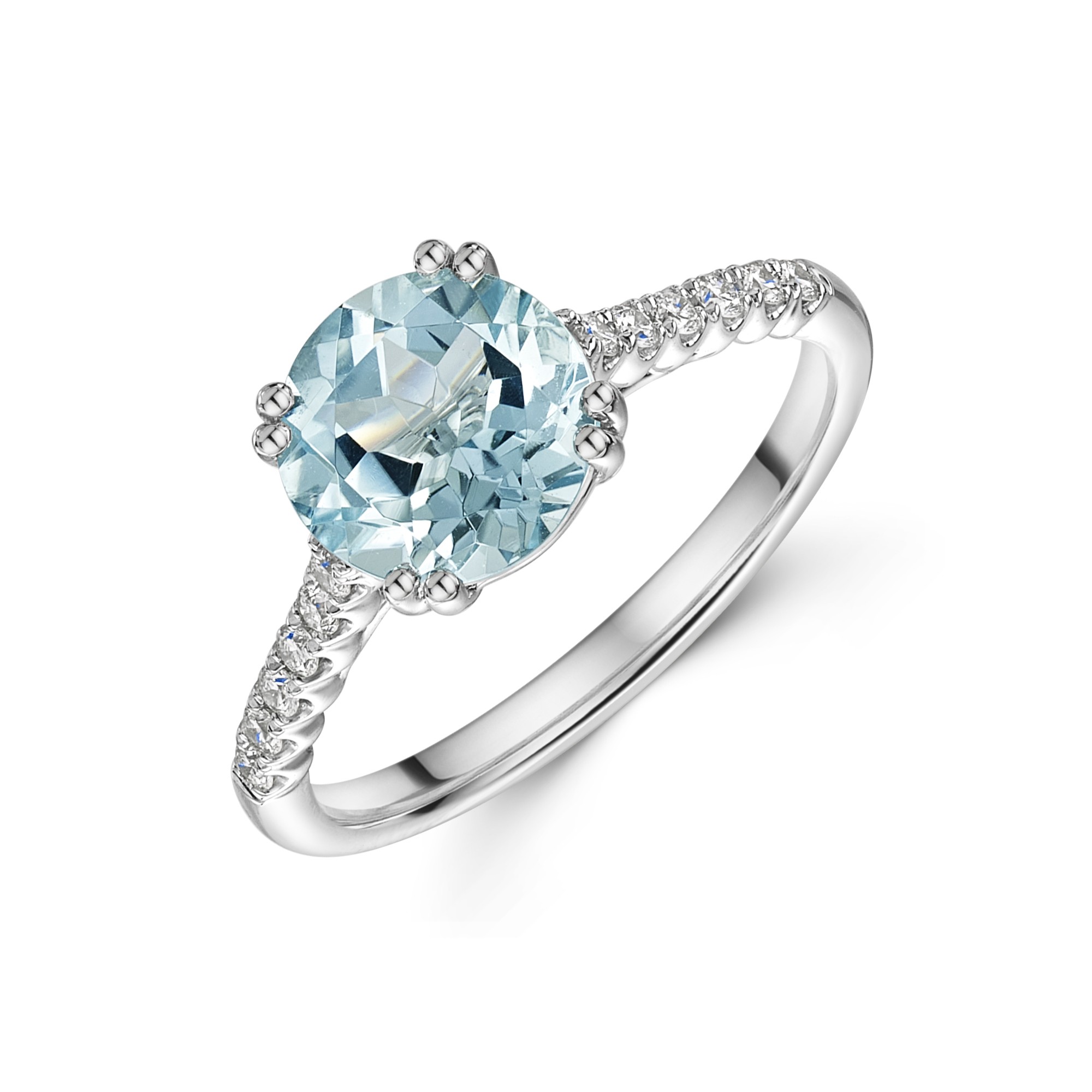
Morganite: Soft Pink Romance
Morganite's your blush-pink dream—gentle, feminine, and oh-so-modern. It's like a hug in gem form for the romantic at heart.
The 4Cs: What Makes It Tick
Carat loves going big (peach tones deepen), Cut for light play (oval or pear flatters), Color—saturated peach-pink over pale; Clarity eye-clean common. Heat enhances color, standard practice.
Origin and History
Madagascar, Brazil, USA—beryl with manganese. Discovered 1910, named for J.P. Morgan. Symbolizes compassion; rose quartz's fancy cousin.
Value, Price, and Rarity
Fairly common now, but vivid large ones scarcer. 1-carat? $100–$500; untreated vivid? Up to $1,000+. Budget-friendly luxury.
Birthstone Vibes
Not official, but vibes with April (diamond's pal) or as a modern love stone.
Jewelry Tips
Rose or yellow gold amps the warmth; east-west settings for a fresh look.
Care Essentials
Mohs 7.5–8, good for daily but watch impacts. Mild soap; no heat or chemicals—fades color.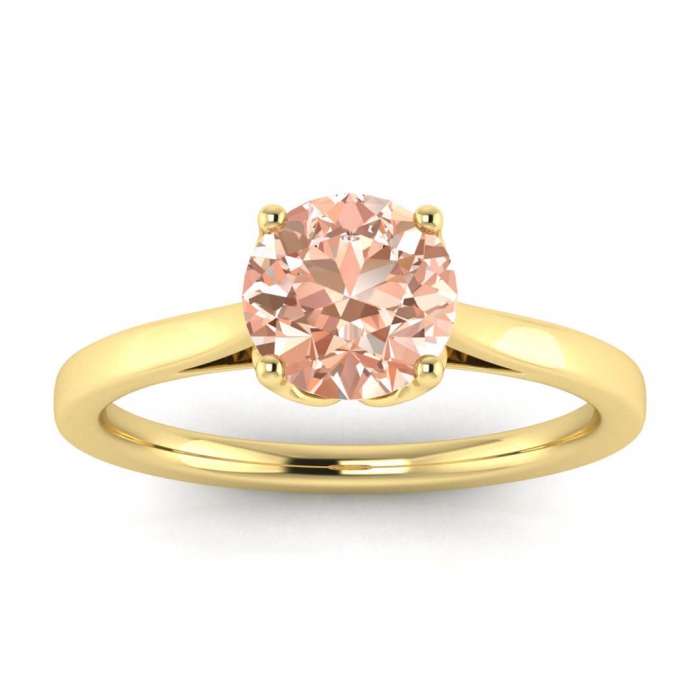
Comparison Table: At a Glance
Here's a quick side-by-side to help you compare these beauties. Prices are approx. for 1-carat quality stones; rarity on a 1-5 scale (5 rarest).
| Gemstone | Hardness (Mohs) | Primary Color | Avg. Price per Carat | Rarity (1-5) | Birthstone Month | Best Setting Tip |
|---|---|---|---|---|---|---|
| Diamond | 10 | Colorless | $4,000–$10,000 | 2 | April | Solitaire or halo |
| Sapphire | 9 | Blue | $450–$5,000 | 3 | September | Vintage with accents |
| Ruby | 9 | Red | $1,000–$10,000 | 4 | July | Bezel for protection |
| Emerald | 7.5–8 | Green | $2,000–$20,000 | 4 | May | Prong with halo guard |
| Aquamarine | 7.5–8 | Blue-Green | $10–$1,000 | 2 | March | Milgrain edges |
| Morganite | 7.5–8 | Peach-Pink | $100–$500 | 3 | N/A | East-west modern |
Summary: Wrapping It Up
Whew, what a gem-filled journey! Whether you're all about diamond's unbeatable sparkle, sapphire's royal cool, ruby's fiery edge, emerald's lush depth, aquamarine's serene flow, or morganite's soft romance, there's a stone out there that fits your love story like a glove. Remember, the best ring isn't just about the rock—it's about what it means to you two. Prioritize the 4Cs for quality, think about care for longevity, and don't forget those jewelry tips to make it yours. Ready to pop the question? You've got this—may your ring shine as bright as your future.