
Black Opal Information Guide
Hey there, gem lovers! If you've ever caught a glimpse of a black opal's mesmerizing rainbow flashes against a shadowy backdrop, you know why these stones are total showstoppers. This guide is your chill dive into everything black opal—from its Aussie roots to how to keep it sparkling without the drama. Whether you're hunting for a birthstone bling or just curious about this underground treasure, we've got you covered. Let's roll!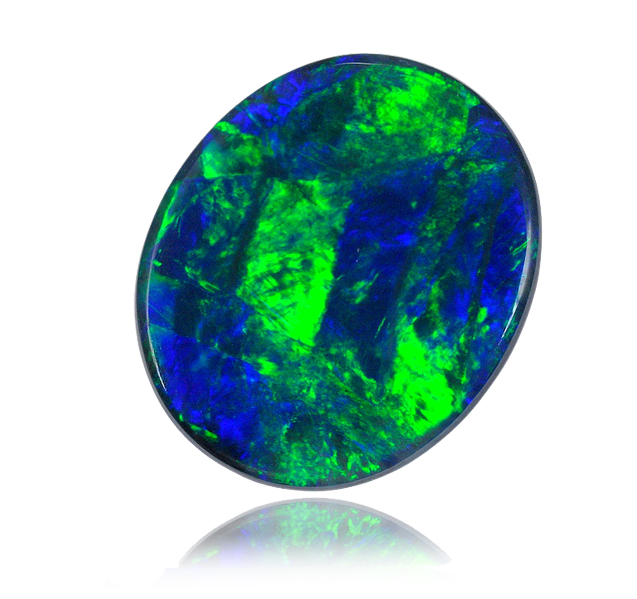
Table of Contents
- Quick Summary
- The 4Cs of Black Opal
- Where Black Opals Come From
- A Quick History Lesson
- Figuring Out Black Opal Value
- What's the Price Tag Like?
- How Rare Are These Bad Boys?
- Black Opal as a Birthstone
- Healing Vibes and Metaphysical Magic
- Jewelry Tips to Rock Your Black Opal
- Keeping Your Black Opal Happy
- Black Opal vs. Other Opal Types
- FAQs
Quick Summary
Black opals are the rockstars of the opal world—rarer than a unicorn sighting and pricier than most gems in your drawer. Born mostly in Australia's dusty outback, these opaque beauties boast a dark body tone that makes their fiery play-of-color pop like fireworks. They're October's birthstone, packing creativity-boosting vibes, and perfect for statement jewelry if you treat 'em right. Value skyrockets with darker tones and wild patterns, but they're fragile, so no roughhousing. Expect to drop anywhere from $10 to $20,000 per carat for the good stuff. Stick around for the deets, and you'll be an opal whisperer in no time.
The 4Cs of Black Opal
Okay, we all know the diamond 4Cs—color, clarity, cut, carat—but opals flip the script a bit since they're not crystalline show-offs. For black opals, it's more about that hypnotic play-of-color than sparkle. Here's the lowdown, adapted for these moody gems:
- Color (Body Tone & Play-of-Color): The star here is the dark base (think black to dark gray, graded N1 for pitch-black awesome to N4 for slightly lighter). It makes the rainbow flashes—fiery reds, oranges, violets—jump out. Brightness (B1 for eye-searing vivid) and even distribution across the stone? Chef's kiss. Blues and greens are common; reds scream "premium."
- Clarity: Black opals are usually opaque with some inclusions or "potch" (dull opal bits) for character. No big cracks or crazing (those dehydration lines)—that tanks value. Aim for clean vibes without cloudiness.
- Cut: Cabochons (smooth domes) rule to show off the color play. Low domes since the color bar's thin; shapes like ovals or freeforms follow the rough stone. Good polish = max fire.
- Carat: Bigger isn't always better—opals are low-density, so a 5-carat piece might wear like a 1-carat diamond. Value spikes with size, but quality trumps all. Go for at least 2mm thick to avoid fading.
Pro tip: Tilt it under light from all angles. If it doesn't dance, pass.
Where Black Opals Come From
Picture this: Vast, arid Aussie plains hiding underground treasure. Lightning Ridge in New South Wales is the black opal mecca—it's produced the world's best since the early 1900s, cranking out stones year-round. Ethiopia's Wollo Province chimes in with "Welo" black opals (smoked for that dark vibe), but they're no match for the Lightning Ridge elite in quality or rep. Other spots like Brazil pop up rarely, but Australia owns 90% of the market. Miners still hand-dig these in scorching heat—no fancy machines, just sweat and luck.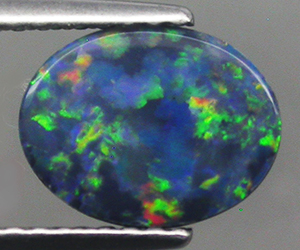
A Quick History Lesson
Opals have ancient cred—Roman senators rocked 'em, and Pliny the Elder called them "the queen of gems" back in 77 AD. But black opals? They're a modern Aussie tale. Aboriginal lore says the Creator spirit touched down on a rainbow, sparking opals to life where his feet hit the earth. Fast-forward to 1905: A prospector in Lightning Ridge unearthed the first stunners, turning a ghost town into opal central. By 2008, New South Wales dubbed black opal its state gem. Fun fact: The "Halley's Comet" opal, a whopping 1,982-carat beast from 1986, is the largest uncut black opal ever. From dusty digs to celeb jewels, these stones have leveled up big time.
Figuring Out Black Opal Value
Value's a vibe check: Darker body tone + killer patterns + no flaws = cha-ching. Key players:
- Body Tone: N1-N4 darkens the drama, boosting contrast for that play-of-color pop.
- Brightness & Pattern: B1 brilliance with harlequin (mosaic squares) or broadflash patterns? Jackpot—up to 10x more valuable than pinfire dots.
- Clarity & Transparency: Opaque is gold for black opals; inclusions okay if they don't dim the show.
- Size & Origin: Bigger + Aussie = premium. Untreated naturals only—no smoke or sugar tricks from Ethiopia.
Holistic grade? From "commercial" (basic flashes) to "extra fine" (non-directional fire). Personal taste matters too—what lights your fire?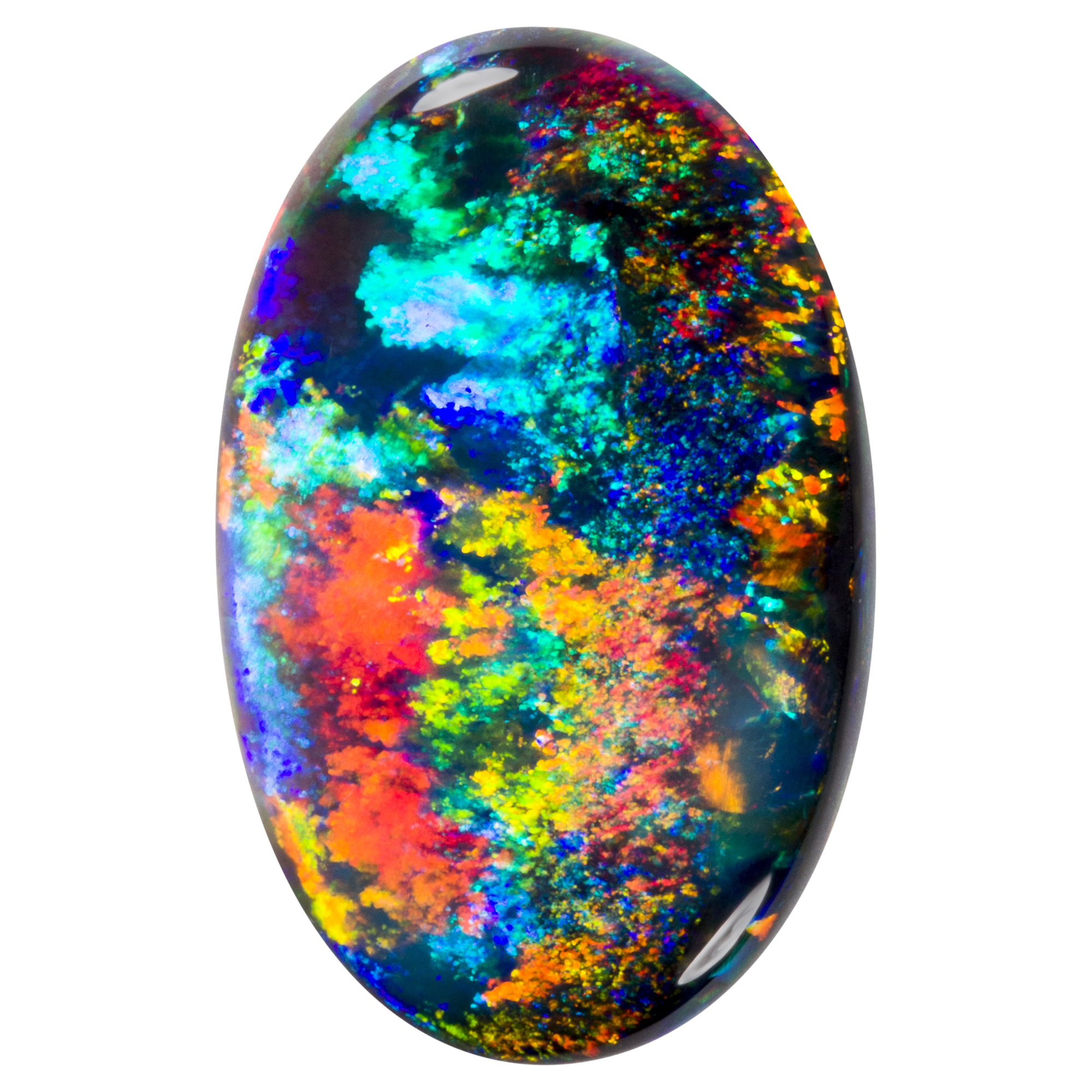
What's the Price Tag Like?
Black opals ain't cheap thrills. Entry-level? $10–$300/ct for smaller or lighter pieces. Mid-range stunners (N1-N4 tone, decent pattern)? $300–$1,400/ct. Top-shelf Lightning Ridge gems with red harlequins? $5,000–$20,000/ct, or more for rarities like the $726K Aurora Australis (180ct). Ethiopian versions shave 20–50% off, but authenticity checks out. Shop smart: Certs from GIA or AGS seal the deal.
How Rare Are These Bad Boys?
Super rare—like finding a parking spot in downtown Sydney on a Friday night. Black opals make up under 1% of all opals mined, with Lightning Ridge yields dropping yearly. No GPS for digs; it's all guesswork in 100°F heat. Ethiopian finds help, but premium untreated blacks? Unicorn status. Demand outpaces supply, especially for those vivid, pattern-packed pieces.
Black Opal as a Birthstone
October babies, this one's for you! All opals are the official birthstone, symbolizing hope, purity, and creativity. Black opals amp it up with mystery and protection—perfect for zodiac signs like Libra and Scorpio. Wear it to channel inner strength or gift it for that "you get me" vibe.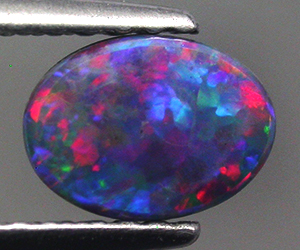
Healing Vibes and Metaphysical Magic
Beyond the bling, black opals are spiritual sidekicks. They're said to spark creativity, boost originality, and absorb your feels to amplify good karma. Think protection against negativity, emotional healing, and justice vibes—great for artists or anyone dodging drama. Chakras? Throat and root for clear comms and grounding. (P.S. This is woo-woo wisdom; chat with a pro for real healing.)
Jewelry Tips to Rock Your Black Opal
Black opals scream "statement," not "subtle." Go pendant or drop earrings for max flash without daily knocks—think solitaire with diamond accents for engagement wow. Guys: Cufflinks or rings in bezel settings for that rugged edge. Pair with silver or gold? Dark tones love warm metals. Size up for necks, down for lobes. Avoid high-heat settings like rings if you're active—save the drama for the stone.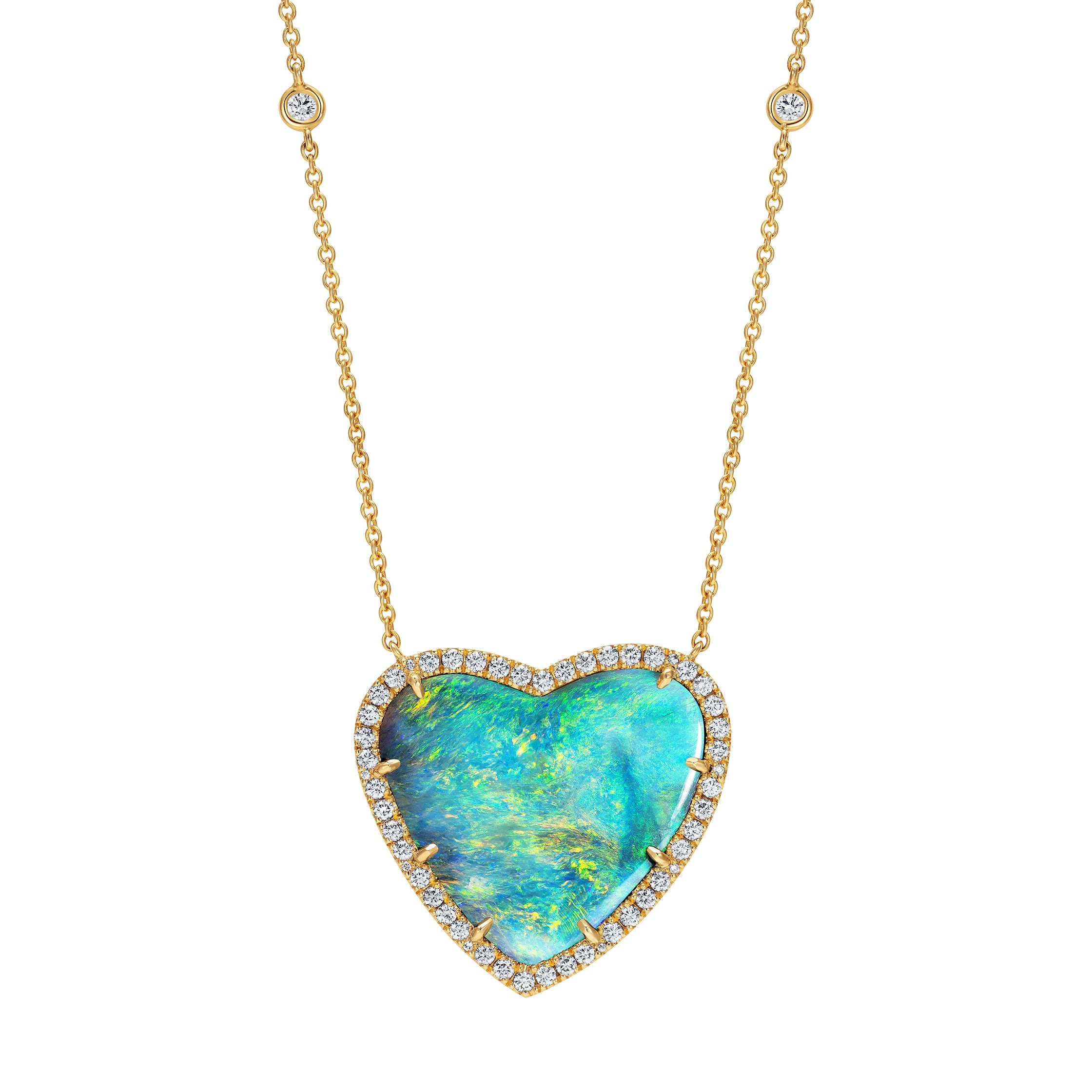
Keeping Your Black Opal Happy
These porous pretties hold up to 20% water, so dehydration = crazing (cracks). Store in a sealed bag with a damp cloth to stay juicy. Clean with lukewarm soapy water and a soft brush—no ultrasounds, chemicals, or saunas. Skip the gym or dishwasher; impacts chip 'em easy (Mohs 5.5–6.5). Pro repair? Tricky—oils or resins might fill cracks, but prevention's your BFF.
Black Opal vs. Other Opal Types
Black opals steal the spotlight, but here's how they stack up against the fam. Check this table for the quick compare:
| Type | Body Color | Rarity | Value (per carat) | Key Characteristics |
|---|---|---|---|---|
| Black Opal | Dark gray to black (N1–N4) | Rarest | $10–$20,000+ | Opaque/translucent; vivid play-of-color on dark base; Lightning Ridge kings; high contrast fire. |
| White Opal | White/pale gray (N7–N9) | Most common | $1–$6,000 | Milky/translucent; softer flashes on light base; abundant in Coober Pedy; budget-friendly entry. |
| Boulder Opal | Varies (with ironstone host) | Common in regions | $10–$5,000 | Veiny patches in rock; durable; subtypes like wood fossil; moderate fire, earthy vibe. |
| Matrix Opal | Varies (porous host fill) | Common | $5–$1,000 | Opal speckled in rock; from Mexico/Australia; subtle patterns; affordable alternative. |
| Fire Opal | Orange/red (transparent) | Moderate | $10–$2,000 | No/little play-of-color; fiery body hue; faceted often; from Mexico; bold, non-iridescent glow. |
Black wins on wow-factor, but others are easier on the wallet.
FAQs
Q: Are black opals always expensive?
A: Not always—budget ones start at $10/ct, but the gems? Yeah, they add up quick.
Q: How do I spot a fake black opal?
A: Check for uniform "plastic" sheen or too-perfect patterns. Get a cert; real ones have natural inclusions and shift colors under light.
Q: Can I wear black opal every day?
A: Sure, in low-impact spots like necklaces. Just baby it—no showers or sports.
Q: What's the deal with Ethiopian vs. Australian?
A: Aussies are untreated royalty; Ethiopians often smoked for color but cheaper and vibrant.
Q: Do black opals fade?
A: Not really, but dehydration can craze 'em. Keep moist, and they're forever.
Got more Qs? Feel free to contact us. Happy hunting—may your opals flash brighter than a disco ball!