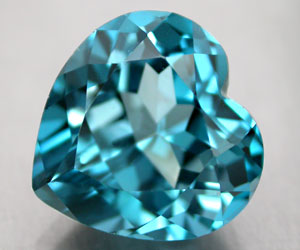
Topaz Price Guide: Everything You Need to Know About This Stunning Gem
Hey there! If you're diving into the world of gemstones, topaz is one of those gems that just sparkles with versatility and charm. Whether you're shopping for jewelry, curious about its history, or wondering how much that blue beauty might cost, I've got you covered. This guide is all about breaking down topaz in a fun, easy way—no stuffy lectures here. We'll chat about its colors, what makes it valuable, and even some tips on keeping it looking fabulous. Let's jump in!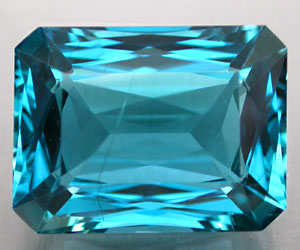
Table of Contents
- Summary
- History of Topaz
- Origin of Topaz
- The 4Cs of Topaz
- Colors of Topaz
- Value and Price of Topaz
- Rarity of Topaz
- Topaz as a Birthstone
- Healing Powers of Topaz
- Jewelry Tips for Topaz
- Care for Topaz
- Comparison Table of Topaz Colors
- FAQs
Summary
Topaz is a dazzling gem that's been loved for centuries, coming in a rainbow of colors from clear white to deep blues and rare pinks. It's November's birthstone, known for its brilliance and affordability in most shades. Prices range from budget-friendly blues at $10-50 per carat to luxurious imperial varieties that can hit $1,000+ per carat. Whether you're after its healing vibes, like promoting calm and strength, or just want a sparkly piece of jewelry, topaz offers something for everyone. Stick around as we explore its history, origins, and all the juicy details on what affects its value and how to care for it.
History of Topaz
Picture this: ancient Egyptians mining topaz and believing it got its golden glow from the sun god Ra. Cool, right? The name "topaz" comes from the ancient Greek word for an island in the Red Sea called Topazos, though back then, they might have mixed it up with other yellow gems like peridot. Fast forward to the Romans, who used it in jewelry and thought it could protect against poison. By the Middle Ages, topaz was a fave in royal crowns and talismans. Today, it's still a go-to for modern bling, but with treatments making those blues pop. Across all colors—from white to mystic—topaz has a rich story of being treasured for its beauty and supposed powers.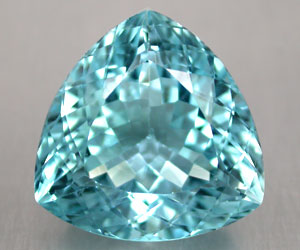
Origin of Topaz
Topaz pops up all over the globe, but Brazil is the big player, especially for those vibrant imperial and blue varieties. Pakistan gives us some stunning pinks, while Nigeria and Australia chip in with clear and colored stones. In the US, you'll find it in Utah and Texas—Utah even named blue topaz its state gem. Other spots like Mexico, Sri Lanka, and Russia round out the sources. The origin can tweak the color and value; for instance, Brazilian imperial topaz is often top-tier. No matter the color—sky blue, London blue, or pink—the mining spots influence rarity and that natural hue.
The 4Cs of Topaz
Okay, let's talk shop with the 4Cs: color, clarity, cut, and carat. These are the basics for judging any gem, and topaz is no exception.
Color is king here—topaz naturally starts colorless or pale, but treatments amp up blues like sky, Swiss, and London. Pinks and imperials get their warmth from natural elements like chromium.
Clarity? Topaz is usually pretty clean, with few inclusions visible to the naked eye across all shades. But watch for cracks in treated stones.
Cut matters for sparkle—topaz's high refractive index makes it brilliant in ovals, rounds, or fancy shapes. Jewelers love cutting it to show off those colors, whether it's a mystic rainbow or a deep London blue.
Carat weight: Topaz comes in big sizes without breaking the bank, so you can go bold with a 10-carat sky blue ring if you want. Larger imperials or pinks? That's where prices climb.
Colors of Topaz
Topaz isn't just one shade—it's a whole spectrum! From natural hues to treated wonders, each color has its vibe. White (or colorless) is the pure, versatile base. Blues come in light sky, vibrant Swiss, and moody London, mostly from irradiation and heat. Pink is soft and romantic, often heated for that blush. Imperial is the golden-orange star, with a pinkish tint that's all natural and rare. Mystic? That's a coated treat with iridescent rainbows. We'll compare them in a table later, but each brings its own flair to jewelry.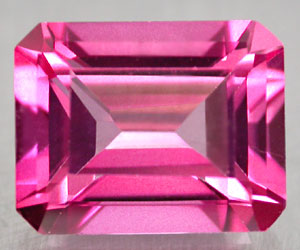
Value and Price of Topaz
What makes topaz tick in the wallet department? It's all about color intensity, size, and rarity. Everyday sky blue or white topaz? Super affordable, around $10-30 per carat. Amp it up to Swiss blue at $20-50, or London blue at $30-100. Pink can hit $100-500 if natural, while imperial—oh boy—that reddish-orange gem can soar to $200-2,000+ per carat for top quality. Mystic is fun and cheap, $15-40, thanks to coatings. Prices in 2025 are steady, but always check for treatments—they keep most colors budget-friendly without skimping on sparkle.
Rarity of Topaz
Not all topaz is created equal in the rarity game. White and blue varieties? Plentiful, especially treated ones like sky, Swiss, and London. But pink? That's scarcer, mostly from Pakistan. Imperial topaz from Brazil is the holy grail—those warm, sherry-like tones are hard to find untreated. Mystic is man-made rare in the sense it's coated, but easy to get. Overall, topaz is abundant, but chase those natural pinks or imperials, and you're in rare territory, which bumps up the price.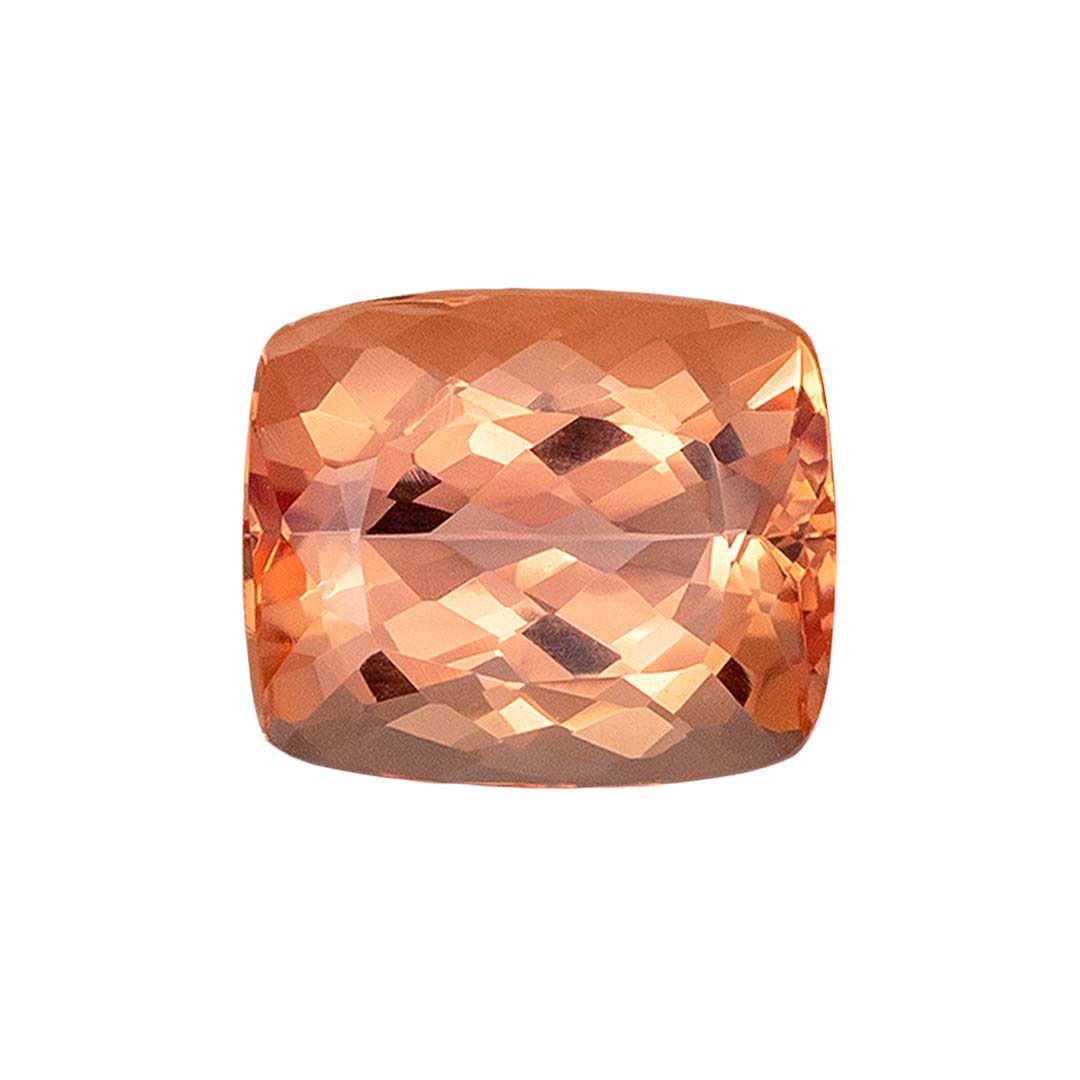
Topaz as a Birthstone
If you're a November baby, topaz is your gem buddy (sharing the spotlight with citrine). It symbolizes strength and honor, perfect for Scorpios and Sagittarians. White topaz brings clarity, blues like sky or London offer calm, pinks add love, and imperial sparks creativity. Wear it in a necklace or ring to tap into that birthstone energy—it's said to bring good vibes all year round.
Healing Powers of Topaz
Topaz has some mystical rep for healing. Generally, it's thought to boost strength, smarts, and even digestion. White clears the mind, sky blue eases stress, Swiss blue amps communication, London blue helps with emotional depth. Pink promotes love and compassion, imperial fires up passion and confidence, and mystic encourages creativity with its rainbow vibes. Folks use it in meditation or as talismans—whether you buy the metaphysics or not, it's a pretty way to feel empowered.
Jewelry Tips for Topaz
Topaz is a jewelry chameleon! Pair white with silver for a clean look, or blues (sky, Swiss, London) with white gold for ocean vibes. Pink shines in rose gold, imperial in yellow gold for warmth, and mystic? Go wild with mixed metals to show off the colors. It's great in rings, but protect it from knocks since it can chip. For earrings or pendants, larger stones work without worry. Mix colors—like a sky blue with imperial accents—for custom pieces. Just ensure settings are secure for daily wear.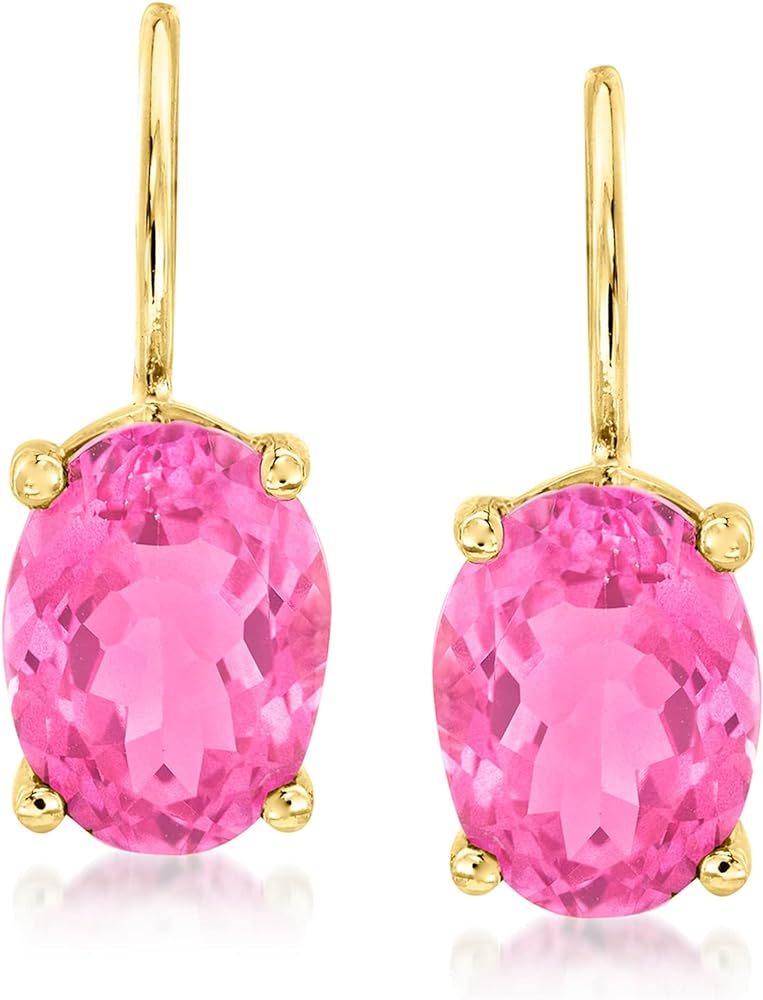
Care for Topaz
Keeping topaz shiny is easy-peasy. With a hardness of 8, it's tough, but it has perfect cleavage, so avoid hard hits. Clean with warm soapy water and a soft brush—no ultrasonics for treated ones like mystic or blues, as heat might fade them. Store separately to dodge scratches. For all colors, skip harsh chemicals and extreme temps. A quick polish with a cloth keeps that sparkle—your topaz will thank you by looking fab for years.
Comparison Table of Topaz Colors
| Color | Description | Rarity | Price Range (per carat) | Common Treatments |
|---|---|---|---|---|
| White | Colorless, pure and versatile | Common | $5-15 | None or minimal |
| Sky Blue | Light, airy blue like a clear sky | Common | $10-30 | Irradiation/heat |
| Swiss Blue | Bright, electric mid-blue | Common | $20-50 | Irradiation/heat |
| London Blue | Deep, denim-like blue | Common | $30-100 | Irradiation/heat |
| Pink | Soft rosy hue, romantic | Rare | $100-500 | Heat |
| Imperial | Warm orange-pink to reddish | Very Rare | $200-2,000+ | Mostly natural |
| Mystic | Iridescent rainbow coating | Common | $15-40 | Surface coating |
FAQs
What's the most valuable topaz color?
Imperial topaz takes the crown with its rare orange-pink glow, often fetching over $1,000 per carat for fine pieces.
Is topaz durable for everyday jewelry?
Absolutely, with a hardness of 8—great for rings, but be gentle to avoid chips from impacts.
Can topaz change color?
Some treated blues might fade in sunlight over time, but natural colors like imperial stay put.
Is mystic topaz real?
Yep, it's genuine topaz with a special coating for that rainbow effect—super fun and affordable.
How do I know if my topaz is natural?
Look for certifications or ask a gemologist; most blues are treated, while imperials are often natural.
What's the best way to buy topaz?
Go for reputable jewelers, check the 4Cs, and decide if you want natural rarity or treated affordability.
There you have it—a full scoop on topaz! If you're eyeing a piece, think about what color speaks to you. Got more questions? Hit me up!