
Best Gemstones for Earrings: Your Sparkly Guide to Picking the Perfect Pair
Hey there! If you're like me, earrings are that one accessory that can totally transform your look—from everyday casual to red-carpet glam. But when it comes to gemstones, it's not just about the bling; it's about finding ones that suit your style, budget, and maybe even your vibe. In this article, we're diving into the best gemstones for earrings. We'll chat about the essentials like the 4Cs, where these beauties come from, their fascinating histories, what makes them valuable (and pricey), their rarity, and even those mystical healing powers people rave about.
I've picked some top contenders: diamonds, sapphires, rubies, emeralds, pearls, amethysts, and tanzanites. These are versatile for earrings, whether studs, hoops, or danglers. Ready? Let's sparkle!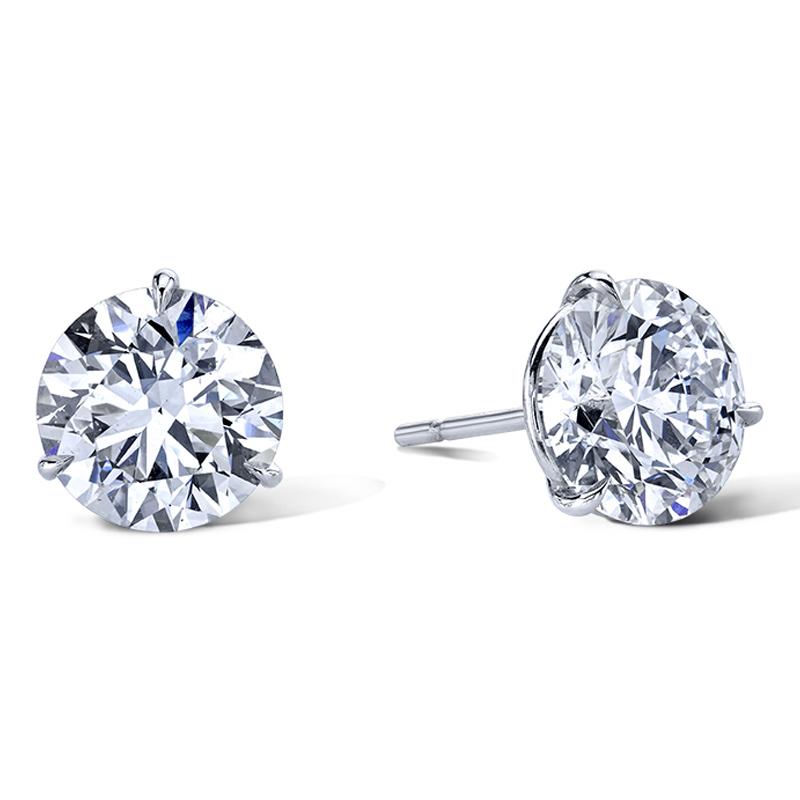
Table of Contents
- Introduction
- The 4Cs: Your Gemstone Shopping Cheat Sheet
- Origins and History: Where These Gems Come From
- Value, Price, and Rarity: What's It Worth?
- Healing Powers: More Than Just Pretty?
- Comparison Table: Side-by-Side Sparkle
- Summary
- FAQs
Introduction
Imagine slipping on a pair of earrings that not only catch the light but also tell a story—maybe from ancient mines or royal crowns. The best gemstones for earrings aren't just the priciest; they're the ones that hold up to daily wear, match your personality, and maybe even bring a little good energy your way. Whether you're after timeless elegance like diamonds or something bold like rubies, we've got you covered. Stick around as we break it down, from the basics to the woo-woo stuff.
The 4Cs: Your Gemstone Shopping Cheat Sheet
Okay, let's start with the fundamentals—the 4Cs. You might've heard this for diamonds, but it applies to most colored gemstones too, with a few tweaks. Think of it as your roadmap to avoiding buyer's remorse.
- Color: This is huge for earrings since they're close to your face and catch light differently. For diamonds, you want that colorless sparkle, but for sapphires or emeralds, it's all about vibrant hues. Go for what pops against your skin tone—deep blues for cool undertones, warm reds for others.
- Clarity: Nobody wants a cloudy gem, right? This measures inclusions (those tiny flaws inside). Diamonds are graded strictly (like FL for flawless), but emeralds often have natural "gardens" of inclusions that add character. For earrings, aim for eye-clean clarity—you don't need a loupe to spot perfection.
- Cut: Not just shape (round, pear, etc.), but how well it's faceted to maximize brilliance. A great cut makes even a smaller gem dazzle. For earrings, brilliant cuts like round or oval work best for that fire.
- Carat: Weight, not size—though they correlate. Earrings don't need massive stones; 0.5-2 carats per ear is plenty for impact without weighing you down. Remember, bigger isn't always better if it compromises the other Cs.
Pro tip: Always check for treatments—some gems are heated or oiled to enhance color, which is fine but affects value.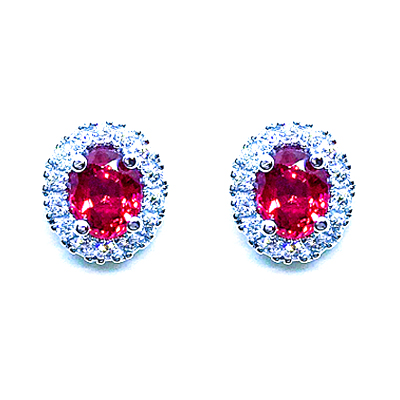
Origins and History: Where These Gems Come From
Gems aren't just rocks; they're pieces of Earth's history. Let's travel the world through these stones and peek into their pasts—it's like a mini history lesson with sparkle.
- Diamonds: Born deep in the Earth's mantle under insane pressure, most come from Africa (like Botswana or South Africa), Russia, or Canada. History? Think ancient India around 4th century BC, where they were first mined. They symbolized invincibility for warriors and later became engagement staples thanks to De Beers' marketing genius in the 20th century.
- Sapphires: Mined in places like Sri Lanka, Madagascar, and Australia. Kashmir sapphires are legendary for their velvety blue. Historically, they were worn by clergy in medieval Europe for wisdom and protection—even the British crown jewels feature them.
- Rubies: From Myanmar (Burma), Mozambique, and Thailand. These "king of gems" have a bloody history—literally, as wars were fought over Burmese ruby mines. Ancient Hindus called them "ratnaraj" (king of precious stones), and they've adorned royalty from Cleopatra to modern celebs.
- Emeralds: Colombia produces the finest, with Zambia and Brazil close behind. The Incas and Aztecs revered them as sacred. Cleopatra was obsessed, claiming Egyptian mines as her own. Fun fact: They're brittle, so earrings are a safe spot since they're less prone to knocks.
- Pearls: Not mined but cultured from oysters in places like Japan, Australia, and Tahiti. Natural ones are super rare. History goes back to ancient Persia and Rome—Cleopatra (again!) dissolved one in vinegar to impress Mark Antony. They're symbols of purity and wisdom.
- Amethysts: Brazil, Uruguay, and Zambia are key sources. Ancient Greeks believed they prevented drunkenness (name means "not intoxicated"), so they carved goblets from them. Medieval soldiers wore them for protection.
- Tanzanites: Exclusively from Tanzania (hence the name). Discovered in 1967, they're a modern gem with a short history but big buzz—Tiffany & Co. promoted them as rarer than diamonds.
Each origin adds to the allure; ethically sourced gems (like those with Kimberley Process certification for diamonds) are a must these days.
Value, Price, and Rarity: What's It Worth?
Value isn't just dollars—it's a mix of beauty, demand, and scarcity. Prices fluctuate, but here's the scoop in conversational terms: Expect to pay more for rarity and quality.
- Diamonds: Super valuable due to marketing and durability (10 on Mohs scale). A 1-carat good quality? $4,000-$10,000. Rarity: Not as rare as you think, but top colors (like pink) are.
- Sapphires: More affordable than rubies; $500-$2,000 per carat for blues. Rarity spikes for unheated or padparadscha (orange-pink) varieties.
- Rubies: Pricey—fine ones $1,000-$15,000+ per carat. Burmese pigeon-blood reds are rarest, hence the premium.
- Emeralds: $500-$5,000 per carat, but top Muzo greens can hit $10,000+. Rarity: High-quality ones without heavy treatments are scarce.
- Pearls: Cultured ones $50-$500 each; natural or South Sea? Up to $10,000+. Rarity: Natural pearls are like finding a unicorn.
- Amethysts: Budget-friendly, $20-$100 per carat. Not super rare, but deep Siberian purples fetch more.
- Tanzanites: $300-$800 per carat. Ultra-rare—only one source, and it's running out, so prices are climbing.
Factors like certification (GIA for diamonds, BGL for others) boost value. Rarity often trumps all; lab-grown options are cheaper but less "valuable" to purists.
Healing Powers: More Than Just Pretty?
Alright, let's get a bit mystical. Crystal healing isn't science-backed, but hey, if it makes you feel good, why not? Many swear by these for earrings since they're near your head and energy centers.
- Diamonds: Amplify energy and clarity—great for focus and strength.
- Sapphires: Promote wisdom, calm, and throat chakra healing (hello, better communication!).
- Rubies: Boost passion, vitality, and root chakra—perfect for confidence kicks.
- Emeralds: Heart healers for love, compassion, and emotional balance.
- Pearls: Soothe emotions, enhance femininity, and bring lunar energy for intuition.
- Amethysts: Crown chakra pros for stress relief, intuition, and sobriety.
- Tanzanites: Aid in spiritual growth, insight, and third-eye activation.
Wear them with intention, but remember, they're no substitute for therapy or meds—just a fun bonus.
Comparison Table: Side-by-Side Sparkle
Here's a quick table to compare our top picks. I've focused on key factors for earrings: durability (Mohs hardness), price range (per carat or piece for pearls), rarity level (low/medium/high), and a nod to healing.
| Gemstone | Color Options | Hardness (Mohs) | Avg. Price | Rarity | Key Healing Power |
|---|---|---|---|---|---|
| Diamond | Colorless to fancy colors | 10 | $4k-$10k+ | Medium | Amplifies energy |
| Sapphire | Blue, pink, yellow | 9 | $500-$2k | Medium | Wisdom & calm |
| Ruby | Red to pinkish | 9 | $1k-$15k+ | High | Passion & vitality |
| Emerald | Green | 7.5-8 | $500-$5k | High | Love & compassion |
| Pearl | White, black, pink | 2.5-4.5 | $50-$500 | Medium (natural: High) | Emotional soothing |
| Amethyst | Purple | 7 | $20-$100 | Low | Stress relief |
| Tanzanite | Blue-violet | 6.5-7 | $300-$800 | High | Spiritual insight |
Note: Prices are approximate for good quality; pearls priced per piece. Harder gems last longer in earrings.
Summary
Whew, that was a gem-packed ride! From the 4Cs guiding your picks to the exotic origins and hidden healing vibes, the best gemstones for earrings boil down to what speaks to you—diamonds for timeless sparkle, emeralds for bold green pops, or pearls for elegant simplicity. Balance quality with budget, go for ethical sources, and remember: the real value is how they make you feel. Whether you're treating yourself or gifting, these stones add that extra magic. Happy shopping!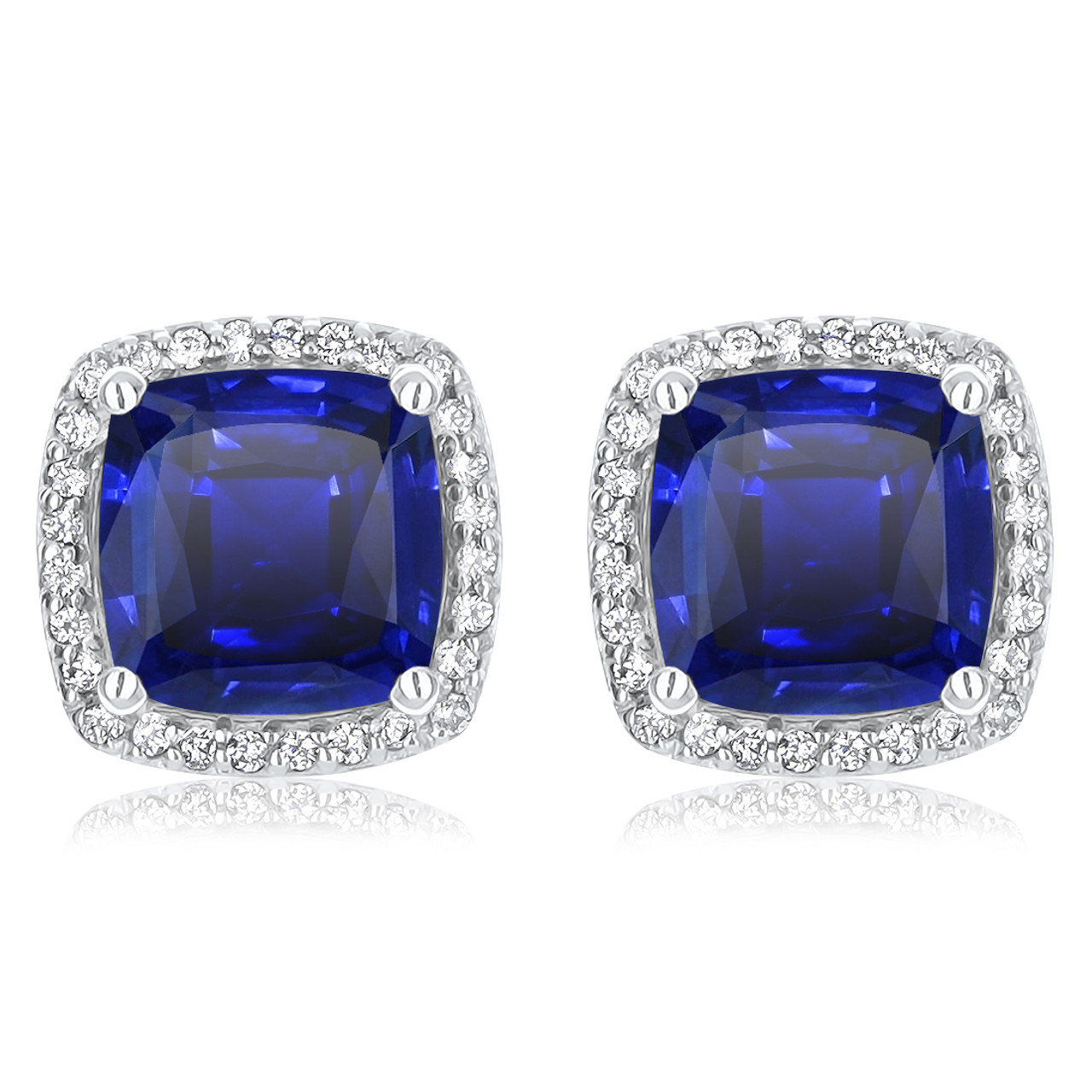
FAQs
Q: What's the most durable gemstone for everyday earrings?
A: Diamonds win hands down with their 10 Mohs hardness. Sapphires and rubies are close runners-up at 9—perfect if you want color without worry.
Q: Are lab-grown gemstones a good option for earrings?
A: Absolutely! They're identical chemically, more affordable, and eco-friendly. Just note they might not hold resale value like naturals.
Q: How do I clean gemstone earrings?
A: Gently with warm soapy water and a soft brush. Avoid ultrasonics for softer stones like pearls or emeralds—they can crack.
Q: Which gemstone is best for sensitive ears?
A: Pearls or hypoallergenic settings with any gem, but focus on the metal (like 14k gold or platinum) more than the stone.
Q: Do healing powers really work?
A: It's personal—some feel the energy, others see it as placebo. Either way, if it boosts your mood, go for it!
Q: Where can I buy ethical gemstone earrings?
A: Look for jewelers with certifications like Fairmined or those supporting traceable sources. Online spots like Brilliant Earth or local artisans are great starts.
There you have it—your ultimate guide. If you've got more questions, hit me up! Sparkle on. ✨