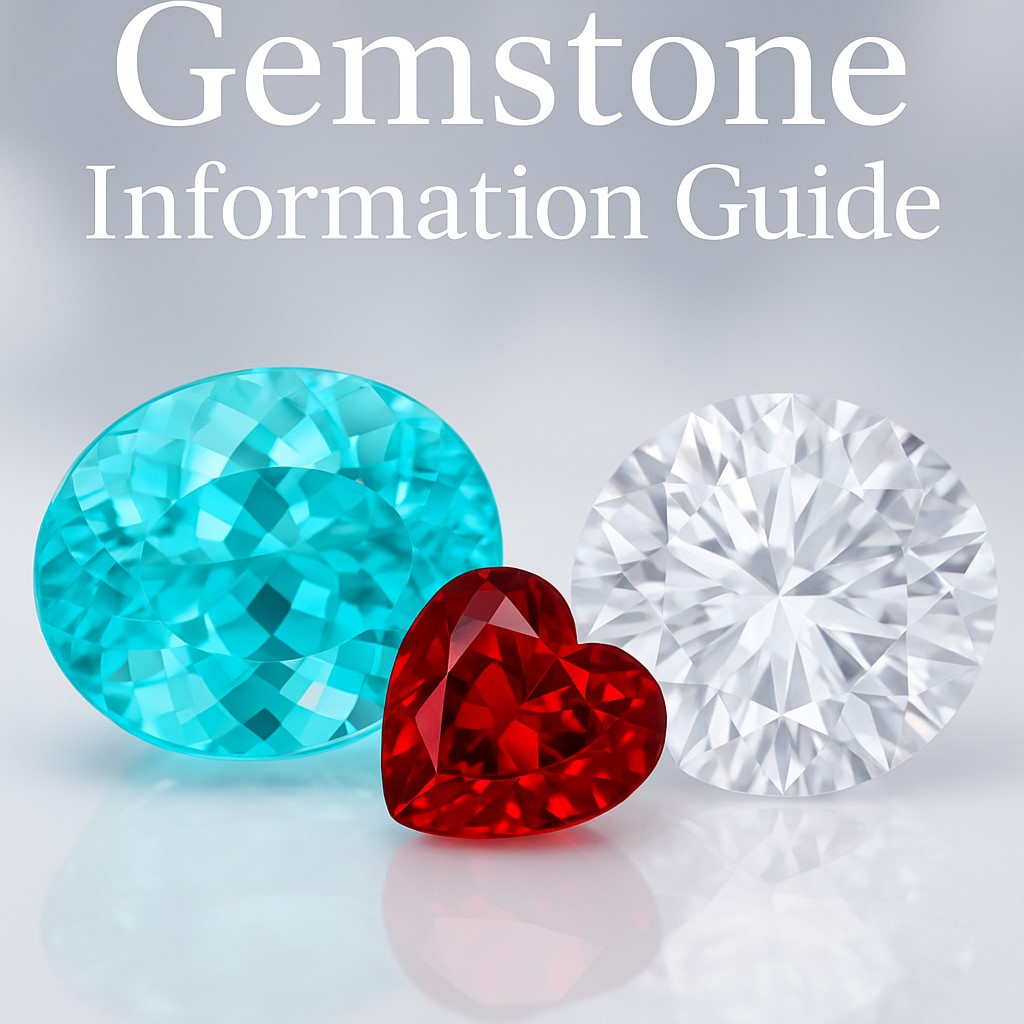
Gemstone Information Guide
Hey there, gem enthusiast! Whether you're a newbie just dipping your toes into the sparkling world of stones or a seasoned collector hunting for that next rare find, welcome to this ultimate guide on gemstones. We'll chat about what makes a gem a gem, dive into the differences between precious and semi-precious ones, explore why they're so captivating (think beauty, rarity, and durability), and even spotlight the top 15 most common gemstones out there. I've thrown in a handy table, some FAQs, and a quick summary to wrap it all up. Let's get started—feel free to jump around using the links below!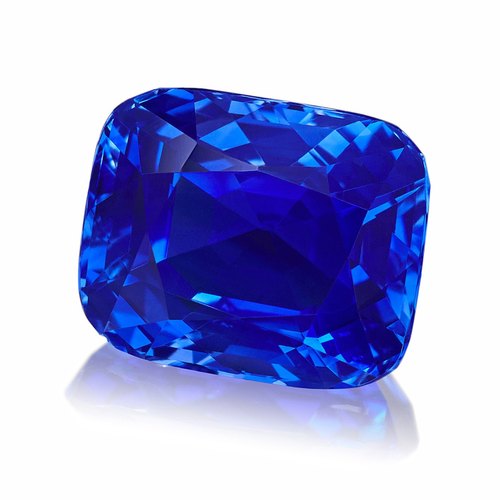
Table of Contents
- What Are Gemstones? Definition and Meaning
- Precious vs. Semi-Precious Gemstones
- The Key Factors: Beauty, Rarity, and Durability
- Table of the 15 Most Common Gemstones
- Summary
- FAQs
What Are Gemstones? Definition and Meaning
So, what exactly is a gemstone? Picture this: deep underground or in ancient riverbeds, nature cooks up these mineral crystals over millions of years through heat, pressure, and a dash of chemistry. A gemstone is basically a mineral, rock, or organic material that's cut and polished to shine in jewelry or decorations. But not every rock qualifies—it's got to have that wow factor!
The word "gem" comes from the Latin "gemma," meaning "bud" or "jewel," which kinda makes sense because these stones "bloom" with color and light when they're faceted just right. In a broader sense, gemstones aren't just pretty; they've got cultural vibes too. Think ancient Egyptians burying pharaohs with lapis lazuli for protection in the afterlife, or how diamonds symbolize eternal love today. They're more than bling—they're pieces of Earth's history you can wear. Cool, right?
Precious vs. Semi-Precious Gemstones
Alright, let's break down the big divide: precious versus semi-precious. This isn't some strict scientific rule; it's more of a marketing thing that started way back in history. Precious gemstones are the elite squad—rare, valuable, and often the stars of high-end jewelry. The classic four are diamond, ruby, sapphire, and emerald. These bad boys are prized for their intense colors, clarity, and that unbeatable sparkle.
On the flip side, semi-precious gemstones include everything else, like amethyst, garnet, or topaz. Don't let the "semi" fool you—these can be just as stunning and sometimes even rarer than their precious cousins. For example, a top-quality alexandrite (a semi-precious stone that changes color in different lights) can fetch more than a mediocre ruby. The label is kinda outdated, but it sticks around because, well, tradition.
Why the distinction? It boils down to history and supply. Precious stones were harder to find and mine back in the day, making them symbols of wealth. Today, with lab-grown options and global mining, the lines are blurring. So, when you're shopping, focus on what you love rather than the category—beauty is in the eye of the beholder!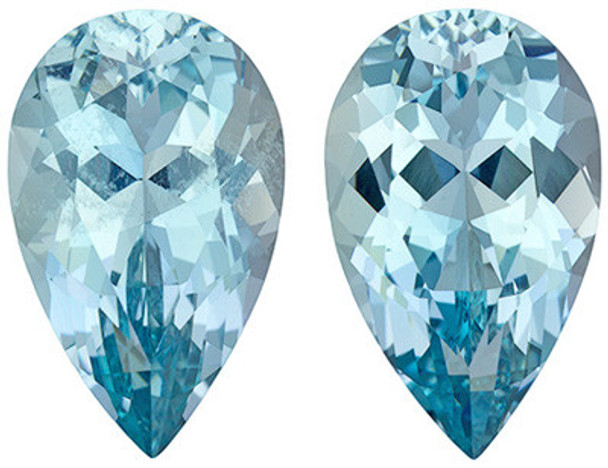
The Key Factors: Beauty, Rarity, and Durability
What turns a plain mineral into a gemstone superstar? It's all about three magic ingredients: beauty, rarity, and durability. Let's unpack them one by one.
First up, beauty. This is subjective, but gems wow us with color, clarity, cut, and that inner fire (like how light bounces around inside). Imagine a sapphire's deep blue pulling you in like an ocean wave—that's beauty at work. Jewelers use the "four Cs" for diamonds (color, clarity, cut, carat), but it applies broadly. A gem's allure can come from inclusions (those tiny flaws) that create patterns, like star sapphires with their asterisk-like glow.
Next, rarity. Not all gems are created equal in abundance. Diamonds might seem everywhere, but top-grade ones are scarce. Rarity drives value—think red beryl, which is thousands of times rarer than diamonds. Factors like mining locations (emeralds mostly from Colombia) or formation conditions make some gems one-in-a-million finds. If it's hard to get, it's probably pricey!
Finally, durability. You want your gem to last, right? This is measured by hardness on the Mohs scale (1-10, with diamond at 10). Tough gems like sapphires (9) can handle daily wear, while softer ones like opal (5-6.5) need TLC to avoid scratches. Durability also includes toughness (resistance to breaking) and stability (how it holds up to heat or chemicals). Pick based on lifestyle—if you're rough on rings, go for something hardy.
Together, these factors make gemstones more than rocks; they're treasures that blend art, science, and a bit of luck.
Table of the 15 Most Common Gemstones
Curious about the gems you're most likely to encounter? Here's a handy table of 15 popular ones. I've included their type (precious or semi-precious), typical colors, Mohs hardness, and a fun fact to spice things up. These are staples in jewelry stores worldwide—perfect for building your collection!
| Gemstone | Type | Typical Colors | Mohs Hardness | Fun Fact |
|---|---|---|---|---|
| Diamond | Precious | Colorless, yellow, pink | 10 | The hardest natural substance on Earth—formed under extreme pressure! |
| Ruby | Precious | Red | 9 | Known as the "king of gems"; pigeon's blood red is the most valuable. |
| Sapphire | Precious | Blue, pink, yellow | 9 | September's birthstone; can be star-shaped with asterism effects. |
| Emerald | Precious | Green | 7.5-8 | Cleopatra's favorite; often has garden-like inclusions. |
| Amethyst | Semi-Precious | Purple | 7 | February's birthstone; ancient Greeks thought it prevented intoxication. |
| Aquamarine | Semi-Precious | Blue-green | 7.5-8 | March's birthstone; named after seawater for its calming hue. |
| Topaz | Semi-Precious | Yellow, blue, pink | 8 | November's birthstone; imperial topaz is a rare golden-orange. |
| Garnet | Semi-Precious | Red, green, orange | 6.5-7.5 | January's birthstone; comes in every color except blue. |
| Tourmaline | Semi-Precious | Pink, green, multicolored | 7-7.5 | Can be watermelon-like with pink and green zones. |
| Opal | Semi-Precious | White, black, fiery | 5-6.5 | October's birthstone; displays play-of-color like a rainbow. |
| Pearl | Semi-Precious | White, pink, black | 2.5-4.5 | Organic gem from oysters; June's birthstone. |
| Peridot | Semi-Precious | Green | 6.5-7 | August's birthstone; sometimes called "evening emerald." |
| Citrine | Semi-Precious | Yellow, orange | 7 | November's alternative birthstone; symbolizes success and prosperity. |
| Tanzanite | Semi-Precious | Blue-violet | 6-7 | Found only in Tanzania; changes color based on viewing angle. |
| Zircon | Semi-Precious | Blue, red, colorless | 6-7.5 | December's birthstone; often mistaken for diamond due to brilliance. |
There you have it— a mix of classics and crowd-pleasers. Remember, "common" doesn't mean boring; many of these have rare varieties that can be worth a fortune!
Summary
Whew, we've covered a lot! Gemstones are fascinating mineral marvels defined by their beauty, rarity, and durability. We chatted about the precious big four (diamond, ruby, sapphire, emerald) versus the versatile semi-precious crowd, and why those three key factors make them irresistible. Don't forget that table of 15 common gems—it's your cheat sheet for spotting them in the wild. Whether you're buying, collecting, or just admiring, gemstones add a touch of Earth's magic to life. If this sparked your interest, why not hunt for your birthstone next?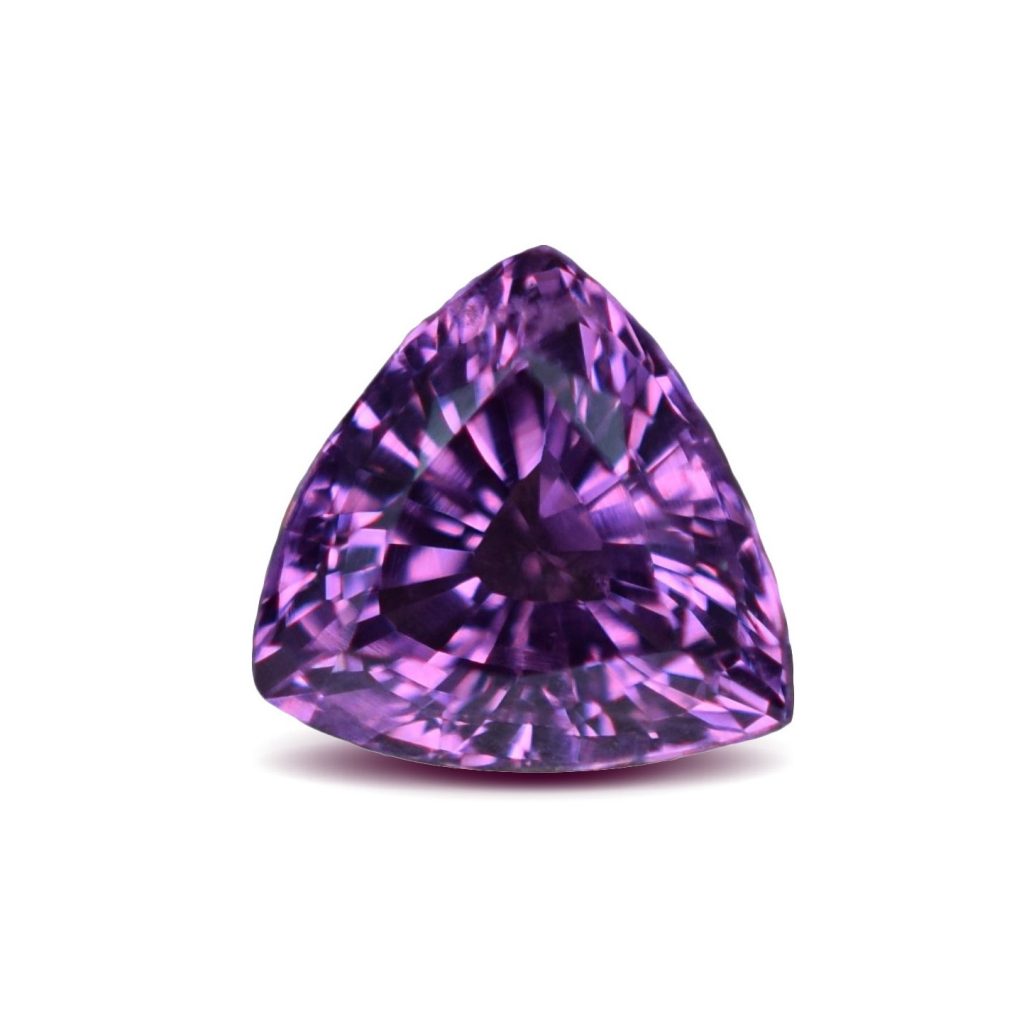
FAQs
Q: Are lab-grown gemstones real gems?
A: Absolutely! They're chemically identical to natural ones, just made in a lab faster and often more affordably. Great for ethics and the environment too.
Q: How do I care for my gemstones?
A: Keep them clean with mild soap and water (avoid harsh chemicals), store separately to prevent scratches, and get professional cleanings for jewelry. Softer gems like opal need extra gentle handling.
Q: What's the difference between a gemstone and a crystal?
A: All gemstones are crystals, but not all crystals are gemstones. Gems are cut and polished for beauty, while crystals can be raw and used for healing or decor.
Q: Can gemstones have healing properties?
A: Many believe so—like amethyst for calm or rose quartz for love—but it's more spiritual than scientific. If it vibes with you, go for it!
Q: How can I tell if a gemstone is fake?
A: Look for bubbles (sign of glass), unnatural colors, or too-perfect clarity. Get it appraised by a certified gemologist for surety.
Got more questions? Get in touch with us or dive deeper into specific gems—happy hunting!