
Is Citrine Good for Jewelry?
Hey there! If you're eyeing that sunny yellow gem for your next piece of bling, you're in the right spot. Citrine has this warm, inviting vibe that just screams positivity. But is it actually a solid choice for jewelry? We'll cover everything from its sparkle to how to keep it shining, and even compare it to other yellow gems. Stick around – by the end, you'll know if citrine's your new bestie or just a passing crush.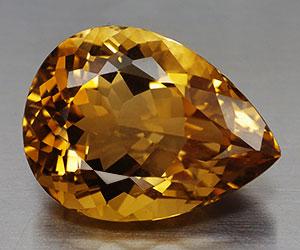
Table of Contents
- Summary
- What is Citrine?
- The 4Cs of Citrine
- Origin of Citrine
- Value and Price
- Rarity
- Citrine as a Birthstone
- Healing Powers of Citrine
- Jewelry Tips for Citrine
- Care and Maintenance
- Comparing Citrine with Other Gemstones
- FAQs
Summary
Citrine is a fantastic option for jewelry if you're after something affordable, durable, and full of good vibes. With a hardness of 7 on the Mohs scale, it's tough enough for everyday wear but needs a bit of TLC to avoid scratches or heat damage. It comes from places like Brazil and offers that golden glow without breaking the bank – think $10 to $30 per carat for quality pieces. As November's birthstone, it's got symbolic perks, and many folks swear by its "healing" powers for boosting mood and abundance. Compared to pricier yellow gems like diamonds or sapphires, citrine holds its own for casual style, but it might not be as scratch-resistant. Overall, yes – it's great for jewelry if you treat it right!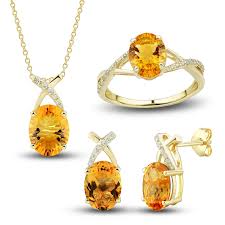
What is Citrine?
Picture this: a gem that looks like bottled sunshine, with hues ranging from pale lemon to deep amber. That's citrine for you! It's a variety of quartz, and its name comes from the French word for lemon, "citron." People love it because it's not just pretty – it's got this uplifting energy that makes any outfit pop. But is it good for jewelry? Absolutely, especially if you want something versatile that won't cost a fortune.
The 4Cs of Citrine
Okay, let's break down the basics like we're shopping together. The 4Cs – color, clarity, cut, and carat – are your go-to guide for picking a winner.
- Color: Go for those warm, sunny oranges and yellows; they're the most valuable. Avoid anything too pale or brownish – you want that vibrant pop!
- Clarity: Citrine is usually eye-clean, meaning no visible inclusions. If it looks cloudy, pass – clarity makes it sparkle like crazy.
- Cut: A well-cut citrine maximizes its brilliance. Faceted cuts like oval or round are popular for rings and pendants.
- Carat: These babies come in big sizes without jacking up the price, so you can go bold if you want.
Origin of Citrine
Citrine hails mostly from Brazil, which pumps out tons of the stuff. But you'll also find it in Bolivia, Spain, Madagascar, and Russia. Fun fact: A lot of "citrine" on the market is actually amethyst that's been heat-treated to turn yellow. Natural untreated ones? They're rarer and often pricier.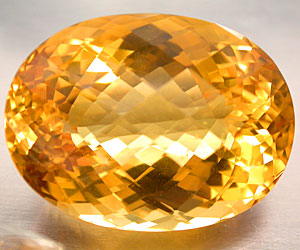
Value and Price
Here's the best part – citrine is super budget-friendly! For a nice piece, you're looking at $10 to $30 per carat, depending on quality. Value spikes with intense color and size, but overall, it's way cheaper than diamonds or sapphires. If you're building a collection, this is a smart start without the sticker shock.
Rarity
Natural citrine isn't as common as you might think – most is lab-treated amethyst or smoky quartz. True untreated citrine from places like Bolivia can be rarer, making it a bit more special (and expensive). But overall, it's not like hunting for a unicorn; you can find plenty for jewelry.
Citrine as a Birthstone
If you're a November baby, citrine's your gem! It's all about warmth and joy, perfect for fall birthdays. Traditionally, it shares the spotlight with topaz, but citrine's affordability makes it a crowd favorite for birthstone jewelry.
Healing Powers of Citrine
Alright, let's get a bit woo-woo. Many crystal lovers call citrine the "merchant's stone" for attracting wealth and success. It's said to boost your mood, clear negative energy, and even help with digestion or mental clarity. Whether you buy into the metaphysics or not, wearing it can just make you feel happier – placebo or not, that's a win!
Jewelry Tips for Citrine
Citrine's a chameleon – it works in rings, necklaces, earrings, you name it. Pair it with gold for a classic look or silver for something modern. For everyday wear, opt for bezel settings to protect the edges, since it's not indestructible. Pro tip: Layer it with other gems for a boho vibe, but avoid mixing with super hard stones that might scratch it.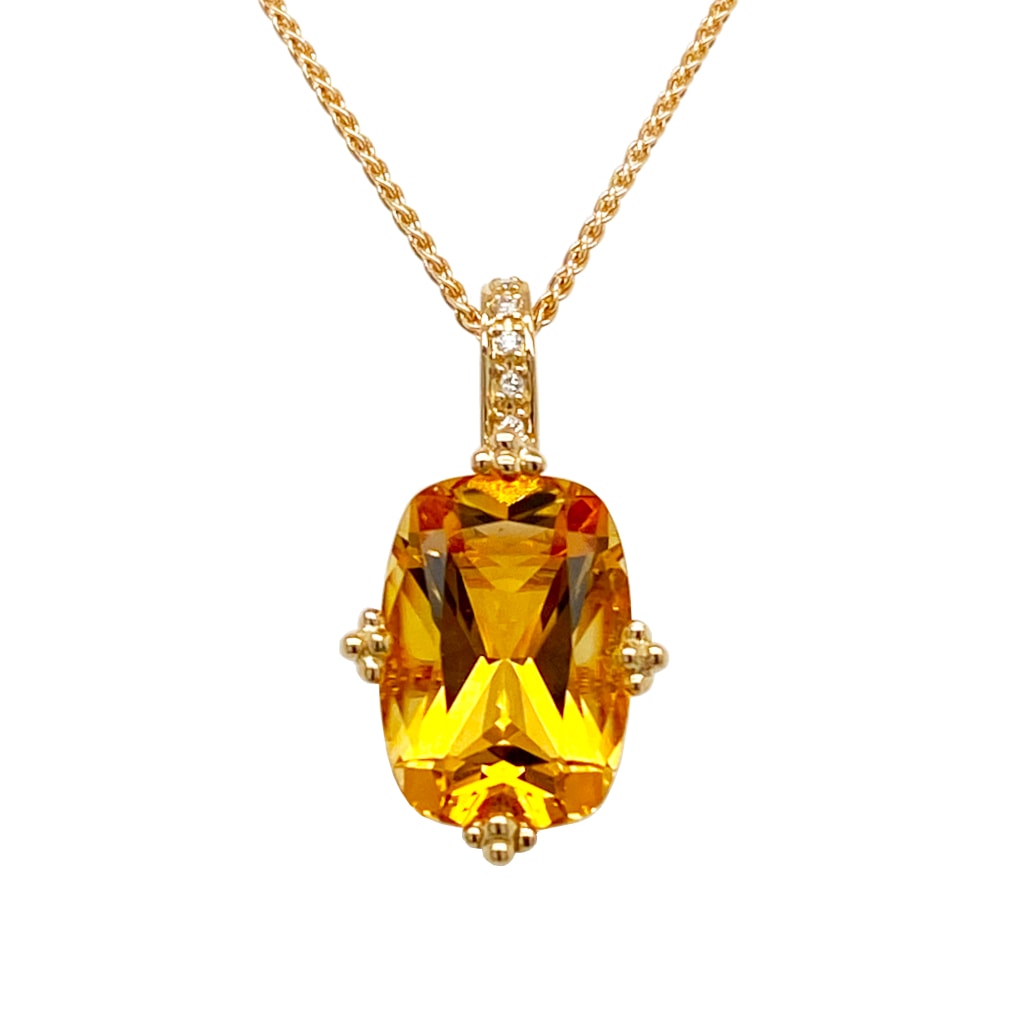
Care and Maintenance
Treat your citrine like a good friend – gently! Clean it with warm soapy water and a soft brush; no ultrasonics or steam, as heat can fade the color. Store it away from direct sunlight and harsh chemicals. With proper care, it'll stay radiant for years.
Comparing Citrine with Other Gemstones
Wondering how citrine stacks up against other yellow beauties? Here's a handy table to compare hardness (for durability), typical color range, average price per carat, and overall jewelry suitability. Prices are rough estimates for good-quality stones.
| Gemstone | Hardness (Mohs) | Color Range | Price per Carat (USD) | Durability for Jewelry | Notes |
|---|---|---|---|---|---|
| Citrine | 7 | Pale yellow to deep orange | $10–30 | Good for daily wear with care | Affordable and versatile, but avoid rough handling. |
| Topaz | 8 | Light yellow to golden | $10–50 | Very good | More scratch-resistant than citrine, great for rings. |
| Yellow Sapphire | 9 | Lemon to deep yellow | $100–1,000+ | Excellent | Super durable, ideal for heirlooms; pricier but worth it. |
| Yellow Diamond | 10 | Canary to fancy yellow | $3,000–20,000+ | Outstanding | The toughest gem; luxury choice but sky-high cost. |
| Tourmaline | 7–7.5 | Yellow-green to golden | $50–500 | Good | Vibrant colors, but can be brittle; fun for unique pieces. |
| Garnet | 6.5–7.5 | Yellow-orange to red-yellow | $20–200 | Fair to good | Budget-friendly, but softer varieties need protection. |
FAQs
Q: Is citrine real gold-colored quartz?
A: Yep, but a lot is heat-treated to enhance that yellow hue. Natural ones are paler but still gorgeous.
Q: Can I wear citrine every day?
A: Sure, but take it off for heavy chores or sports to prevent scratches.
Q: Does citrine fade over time?
A: It can if exposed to too much heat or sunlight, so store it smartly.
Q: Is citrine better than topaz for jewelry?
A: It depends – citrine's cheaper and warmer in tone, but topaz is harder and more durable.
Q: What's the best way to tell if citrine is real?
A: Look for even color distribution; fakes might have bubbles or feel too light. Get it appraised if unsure.
There you have it! Citrine's a gem (pun intended) for jewelry if you're into that sunny sparkle without the drama. What do you think – ready to add some to your collection?