The Sparkling World of Colored Diamonds: Everything You Need to Know
Hey there! If you're like me, you've probably always thought of diamonds as those clear, sparkly gems that catch the light just right. But did you know there's a whole rainbow of colored diamonds out there? From fiery reds to cool blues, these beauties are rare, fascinating, and can add a pop of personality to any jewelry collection. In this chatty guide, we'll cover everything from how they get their colors to tips on wearing and caring for them. Let's jump in!.jpg)
Table of Contents
- Summary
- What Are Colored Diamonds?
- The 4Cs for Colored Diamonds
- Origins of Colored Diamonds
- The Spectrum of Colors
- Rarity and Value
- Prices of Colored Diamonds
- Treatments and the Value of Untreated Diamonds
- Colored Diamonds as Birthstones
- Jewelry Tips for Colored Diamonds
- How to Care for Your Colored Diamond Jewelry
- Comparison Table of Colored Diamonds
- FAQs
Summary
Colored diamonds, also known as fancy diamonds, are natural gems that come in a stunning array of hues beyond the classic colorless variety. They're formed deep in the Earth under intense conditions, with their colors coming from trace elements or structural quirks. While the traditional 4Cs (cut, color, clarity, carat) still apply, color takes center stage here— the more intense and pure, the better (and pricier!). Reds are the rarest and most valuable, followed by pinks and blues, while yellows and browns are more accessible. Untreated natural ones hold premium value, but treatments can make colors pop without breaking the bank. Whether you're eyeing them for jewelry or as a birthstone (diamonds rule April!), we'll chat about how to pick, style, and maintain these vibrant treasures. Stick around for a handy comparison table and some FAQs to wrap it up.
What Are Colored Diamonds?
Alright, let's start with the basics. Colored diamonds are just like regular diamonds but with a twist—they've got natural hues ranging from subtle pastels to bold, vivid shades. These aren't your lab-tinted fakes; we're talking about fancy color diamonds that get their pigments from Mother Nature herself. Only about 0.1% of all mined diamonds have noticeable color, making them super special. Think of them as the unicorns of the gem world!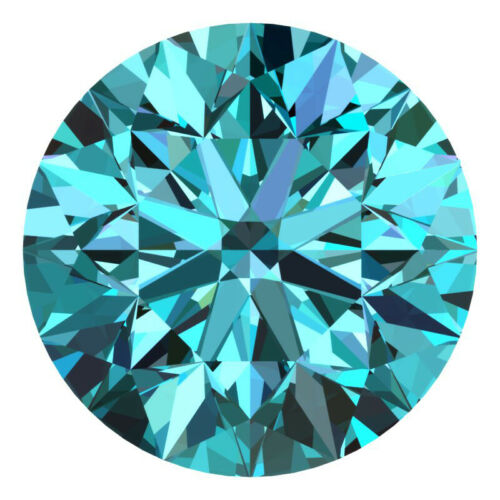
The 4Cs for Colored Diamonds
You know the 4Cs for white diamonds: cut, color, clarity, and carat. But for colored ones, the game changes a bit. Color is king here—it's graded on intensity (faint to fancy vivid) and hue purity. A vivid pink? Jackpot! Cut comes next; it's all about shaping the stone to amp up that color, not just sparkle. Clarity matters less since inclusions can sometimes enhance the hue, and carat weight boosts value, especially for larger rare colors. Basically, prioritize that eye-popping shade when shopping.
Origins of Colored Diamonds
These gems form deep underground, about 100 miles below the surface, under crazy heat and pressure over billions of years. Their colors? Thanks to impurities like nitrogen (for yellows), boron (for blues), or even radiation (for greens). Most come from mines in Australia (hello, Argyle for pinks!), South Africa, or India. Lab-grown versions are popping up too, mimicking the process but in controlled settings—they're more affordable but not as "natural."
The Spectrum of Colors
Oh, the fun part! Colored diamonds come in every shade imaginable: reds (fiery and passionate), blues (cool and serene), pinks (romantic and bubbly), greens (fresh and mysterious), yellows (sunny and cheerful), oranges, purples, browns (earthy "champagne" vibes), grays, blacks, and even chameleons that shift hues. Each color has its own cause—like nitrogen for yellow or crystal distortions for pink. The purer and more intense, the rarer it is.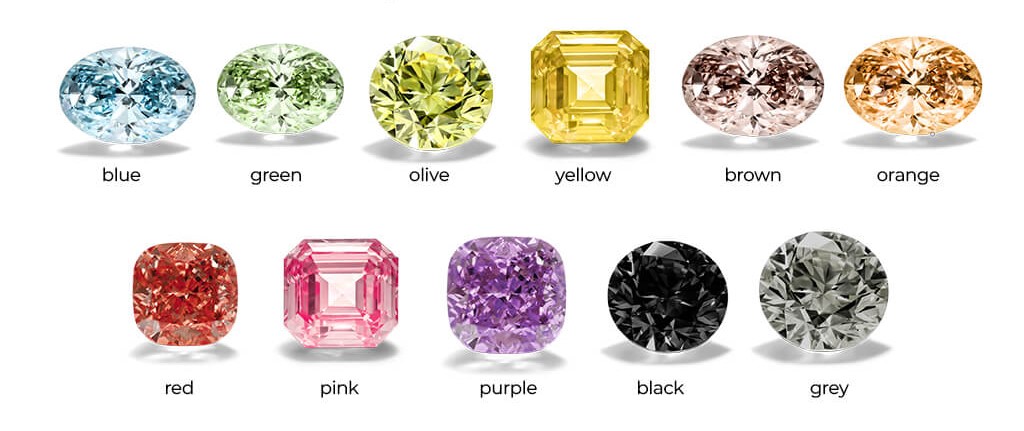
Rarity and Value
Rarity is what makes these gems shine—literally. Reds are the holy grail, with only a handful existing worldwide. Pinks and blues aren't far behind, especially since the Argyle mine closed, drying up the pink supply. Yellows and browns? More common, so they're easier on the wallet. Value skyrockets with intensity, size, and natural status. A fancy vivid red could fetch millions per carat, while a light yellow might be thousands.
Prices of Colored Diamonds
Prices? They vary wildly. A 1-carat fancy yellow might run $3,000–$16,000, while a similar blue could hit $200,000. Pinks range from $10,000 to $700,000+ per carat, and reds? Over $1 million easy. Factors like intensity, clarity, and market demand play in—think auction hype for famous stones like the Pink Star. Lab-grown options slash costs, like an $8,500 blue vs. $200,000 natural.
Treatments and the Value of Untreated Diamonds
Some diamonds get a color boost through treatments like irradiation or high-pressure high-temperature (HPHT) to enhance or change hues. It's common for yellows or browns, making them more affordable. But untreated naturals? They're the premium choice, often certified by labs like BGL, and hold way more value—think investment-level. Always check for disclosure; treated ones are fine, just know what you're getting.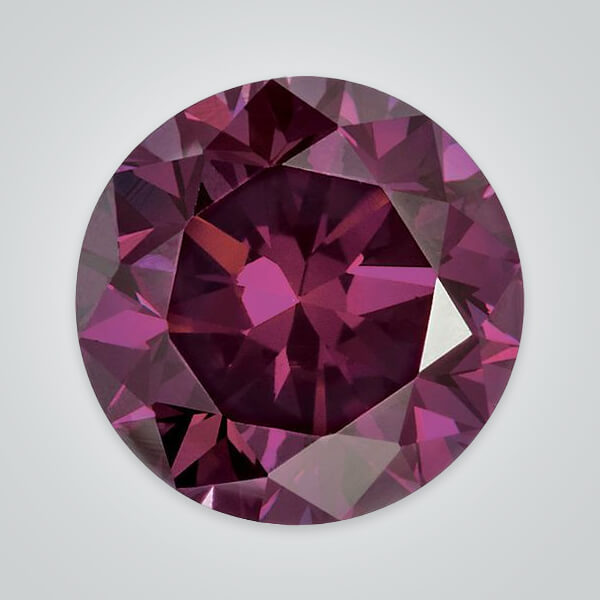
Colored Diamonds as Birthstones
Diamonds are the official birthstone for April, symbolizing strength and clarity. Colored ones add a fun twist—if you're an April baby, why not go for a pink or yellow diamond to match your vibe? While there's no strict color-by-month rule for diamonds, some folks associate hues with zodiacs or personal meanings. Either way, they're a timeless gift!
Jewelry Tips for Colored Diamonds
Ready to rock one? Pair warm tones like yellow or orange with yellow gold for a cozy glow, while cool blues or pinks shine in white gold or platinum. Opt for cuts that maximize color, like radiant or cushion. Mix with colorless diamonds for contrast, or go solo in a simple solitaire. And remember, the purer the color, the more it pops!
How to Care for Your Colored Diamond Jewelry
These stunners are tough, but they need TLC. Clean gently with warm soapy water and a soft brush—avoid harsh chemicals or ultrasonics for treated ones, as they might fade. Store separately to prevent scratches, and get professional check-ups every 6-12 months. Skip wearing them during chores or sports. For irradiated colors, keep away from extreme heat or light. Easy peasy, and they'll sparkle forever!
Comparison Table of Colored Diamonds
Here's a quick table comparing popular colored diamonds based on rarity, average price per carat (for natural, 1-carat stones), and key notes. Prices are estimates and can fluctuate—always check current markets!
| Color | Rarity Level | Avg. Price per Carat (Natural) | Key Notes |
|---|---|---|---|
| Red | Extremely Rare | $1,000,000+ | Rarest of all; only 20-30 exist; collector's item. |
| Pink | Very Rare | $10,000–$700,000+ | Romantic hue; prices rising post-Argyle mine closure. |
| Blue | Very Rare | ~$200,000 | Caused by boron; famous like the Hope Diamond. |
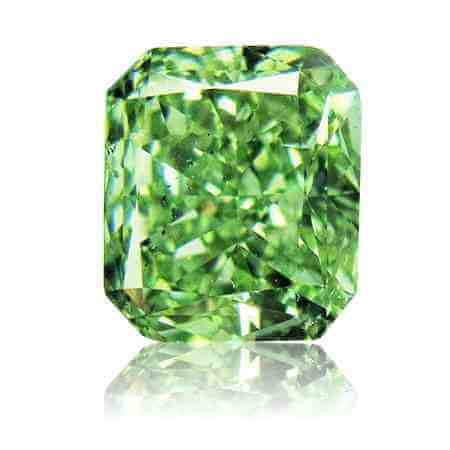
| Green | Rare | Up to $3,300,000 | Radiation-induced; needs careful cutting. |
| Purple | Rare | Up to $338,000 | Often pinkish; small sizes common. |
| Orange | Rare | Up to $2,400,000 | Vibrant and small; high per-carat records. |
| Yellow | Somewhat Common | $3,000–$16,000 | Nitrogen-based; most popular colored diamond. |
| Brown | Common | Up to $9,900 | Often called "champagne"; affordable entry point. |
| Gray | Uncommon | Up to $103,000 | Subtle and unique; boron/hydrogen impurities. |
| Chameleon | Rare | Up to $66,000 | Color-shifting magic; natural only. |
FAQs
Q: Are colored diamonds more expensive than white ones?
A: It depends! Rare colors like red or pink can be way pricier, but common ones like yellow might be similar or even cheaper than top colorless diamonds.
Q: Can colored diamonds be lab-grown?
A: Yep! They're chemically identical to naturals but cost less—great for budget-conscious bling.
Q: How do I know if a colored diamond is treated?
A: Look for BGL or similar certifications—they disclose treatments. Untreated ones are pricier but hold better value.
Q: What's the rarest colored diamond?
A: Red, hands down. Only a tiny number exist, making them ultra-valuable.
Q: Are colored diamonds a good investment?
A: For rare, untreated ones—absolutely! Their scarcity drives up value over time, especially pinks post-mine closures.
There you have it, folks—a full scoop on colored diamonds. Whether you're dreaming of a pink engagement ring or just curious, these gems are a colorful adventure. Got more questions? Hit me up!