
Emerald Origins: A Sparkling Journey Through the World of Green Gems
Hey there! If you're as fascinated by those lush green emeralds as I am, you're in for a treat. These gems aren't just pretty rocks—they've got a rich story spanning continents, centuries, and even a bit of mysticism. In this article, we'll chat about everything from where they come from to how to wear them without a worry.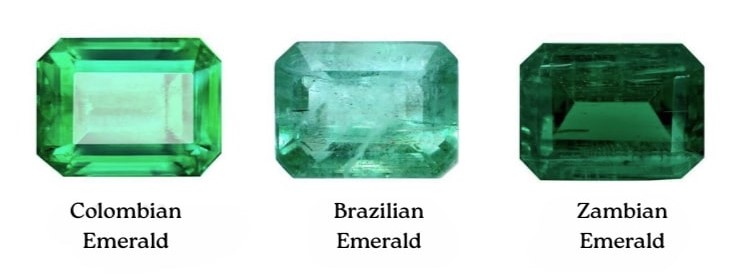
Table of Contents
Summary
Emeralds are those captivating green gemstones that have dazzled people for thousands of years. Born from the earth's depths in places like Colombia and Zambia, they're judged by the famous 4Cs—color, clarity, cut, and carat. With a history tied to ancient royals like Cleopatra and lore full of healing vibes, emeralds aren't just valuable (think anywhere from pocket change to six figures per carat); they're rare treasures that symbolize hope and renewal. Whether you're eyeing one for jewelry or just curious, we'll cover how to pick, wear, and care for them, plus a handy comparison of origins. By the end, you'll feel like an emerald expert!
The 4Cs of Emeralds
You know how diamonds have their 4Cs? Well, emeralds play by similar rules, but with a twist because they're all about that green glow. Let's break it down casually.
- Color: This is the star of the show. The best emeralds have a vivid, pure green—think lush forest—with just a hint of blue or yellow. Too grayish? Not as prized. Saturation (how intense the green is) and tone (light or dark) make all the difference.
- Clarity: Unlike diamonds, emeralds are almost always full of inclusions—those little internal features called "jardin" (French for garden). Eye-clean ones are super rare and pricey, but most have some character that adds to their charm, as long as they don't mess with durability.
- Cut: Cutters aim to maximize sparkle and color while minimizing waste—often losing 50-70% of the rough stone. The classic "emerald cut" (rectangular with stepped facets) is popular because it shows off the color without too much bling overload.
- Carat: Bigger isn't always better, but larger emeralds are rarer, so prices jump exponentially. A 4-carat stunner could cost four times a 2-carat one of similar quality.
These factors team up to determine an emerald's wow factor and wallet impact.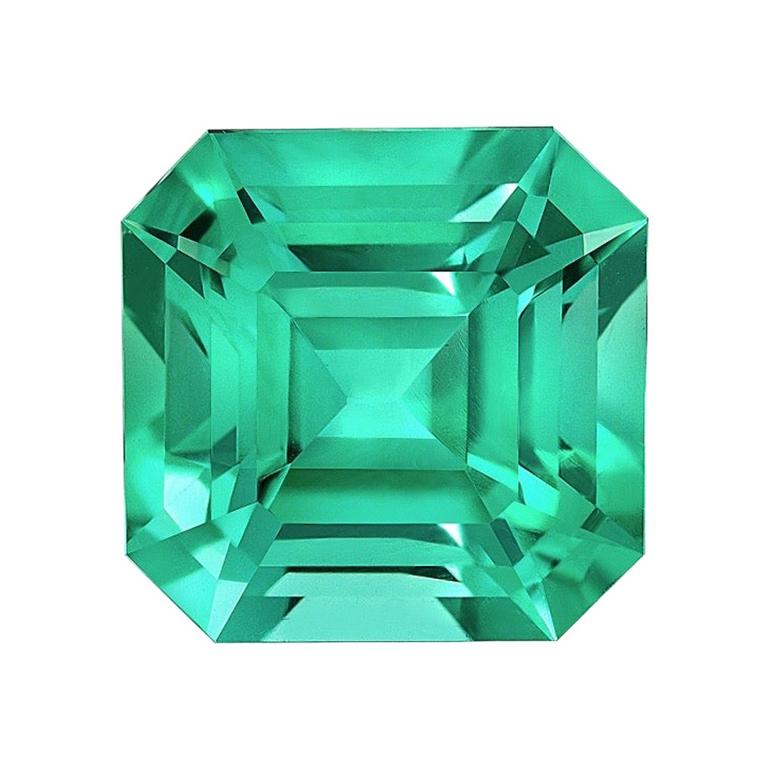
Origins of Emeralds
Ever wonder why some emeralds look a tad different? It's all about where they hail from. The top spots are Colombia, Zambia, Brazil, Afghanistan, and a few others like Zimbabwe. Each place imprints its own vibe on the stones—color, clarity, you name it. Colombia dominates with about 90% of the market, but let's compare them head-to-head.
| Country | Typical Color | Clarity/Inclusions | Value/Price Range | Production Notes/Rarity |
|---|---|---|---|---|
| Colombia | Vivid, pure green with minimal secondary tones | More inclusions, but exceptional brilliance | Highest; premium due to quality and rarity | Dominates market (90%); mines like Muzo yield top gems |
| Zambia | Deep bluish-green | Fewer inclusions, excellent clarity | More affordable than Colombian; mid-range | Largest mine (Kagem); 37% of world supply |
| Brazil | Lighter yellow-green to diverse hues | Varies; often larger sizes with more inclusions | Affordable; good for budget buyers | Highest by weight (15%); diverse quality |
| Afghanistan | Rich, vibrant green | Remarkable clarity | High for quality ones; limited supply | Rare due to challenges; Panjshir Valley source |
| Zimbabwe | Similar to Zambian, deep green | Good clarity, fewer inclusions | Mid-range, comparable to Zambian | Smaller producer; quality rivals neighbors |
This table shows how origins affect everything from hue to how much you'll pay. Colombian ones often steal the spotlight for their intensity, but Zambian emeralds are a steal if clarity's your thing.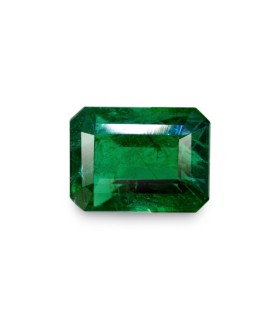
History of Emeralds
Picture this: Way back in 330 BC, Egyptians were mining emeralds, and Cleopatra was obsessed, decking herself out in them. The name comes from the Greek "smaragdus," just meaning "green." Fast forward to the 16th century—Spanish conquistadors raided South America, bringing Colombian emeralds to Europe and Asia, where royals went wild for them. The Incas had been using them in rituals for centuries before that. Even Ottoman sultans rocked massive ones, like the 75-carat Hooker Emerald. Today, they're still symbols of luxury and mystery.
Value and Price of Emeralds
What's an emerald worth? It varies wildly—from under $1 per carat for opaque stuff to $100,000+ for top-tier beauties. The 4Cs drive this, plus origin and treatments (most are oiled or resin-filled to boost clarity). Untreated ones? They fetch premiums—like the Rockefeller Emerald at $5.5 million. A 1-carat Zambian might go for $150 to $1,200, depending on color and inclusions. Colombian origins bump up the value big time.
Rarity of Emeralds
Emeralds are pretty rare compared to other gems—forming under specific conditions with beryllium, chromium, and vanadium. Large, high-quality ones are unicorns, especially inclusion-free. With only a handful of major mines, and Colombia holding the crown for the best, their scarcity keeps prices high. Bigger than 5 carats? That's collector territory.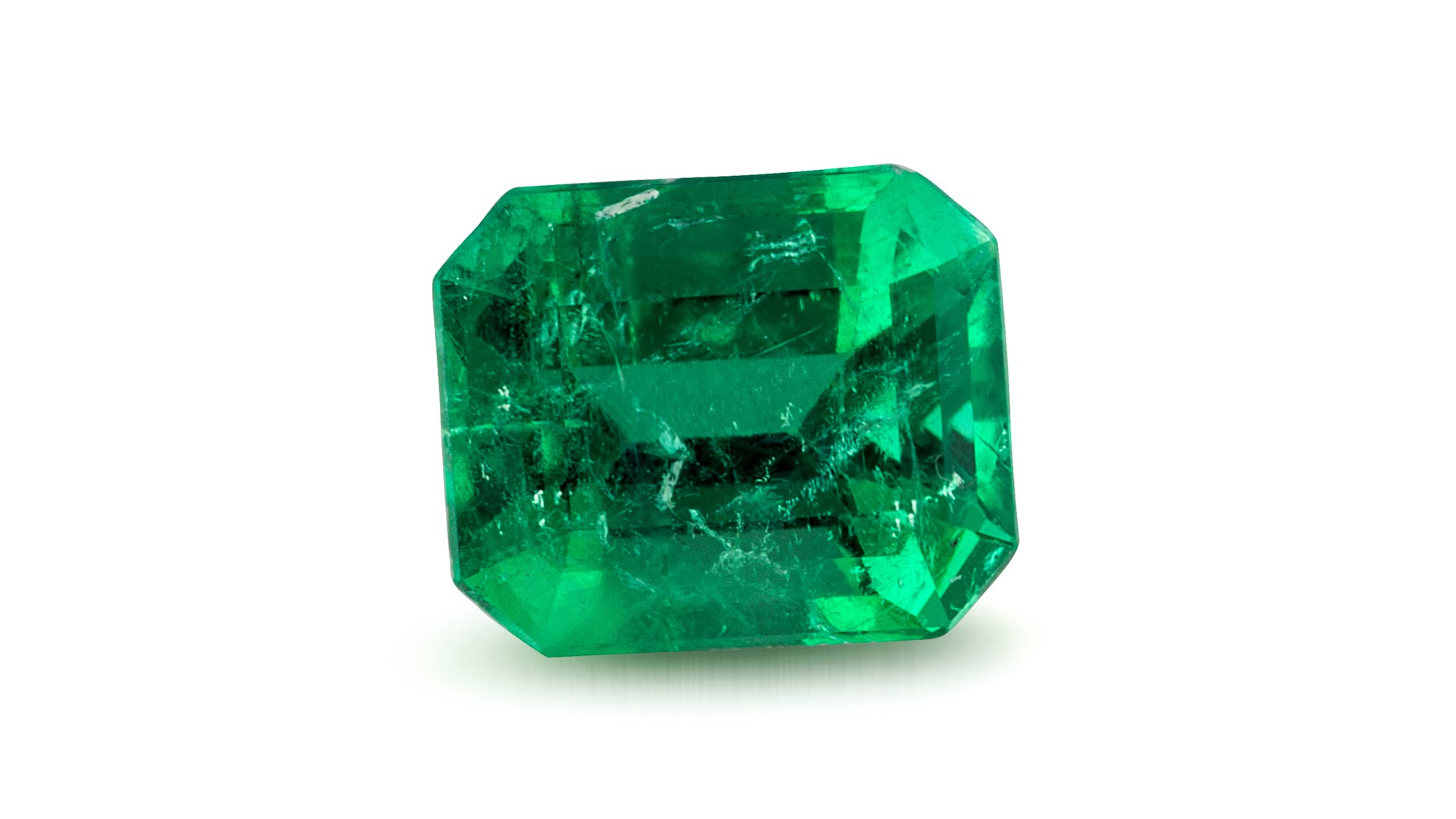
Emerald as a Birthstone
If you're a May baby, emerald's your lucky charm! It stands for rebirth, hope, and love—tied to Venus in ancient myths. It's also the go-to for 20th and 35th anniversaries. Wearing one is said to bring good fortune and youthfulness, making it a perfect personal talisman.
Healing Powers of Emeralds
Okay, this is where it gets fun and a bit woo-woo. Ancient folks believed emeralds could cure everything from cholera to eye strain—just by gazing at their green hue. Today, in crystal healing, they're linked to the heart chakra, promoting love, compassion, and emotional balance. Some say they boost the immune system, aid detoxification, and even enhance intuition. Whether myth or magic, that soothing green sure feels restorative!
Jewelry Tips for Emeralds
Ready to rock an emerald? Pair them with gold for a warm contrast or platinum for modern edge. Rings and necklaces are classics, but earrings let the green pop against your skin. Since they're softer (7.5-8 on Mohs scale), set them in protective styles like bezels to avoid chips. Mix with diamonds for sparkle, or go solo for that bold statement. And hey, check for lab reports to ensure authenticity.
Caring for Your Emerald Jewelry
Emeralds need TLC because of those inclusions and treatments. Skip ultrasonics or steam cleaners—they can crack 'em or sweat out oils. Instead, use warm soapy water and a soft brush. Avoid harsh chemicals, extreme heat, or sudden temperature changes. Store separately to prevent scratches, and re-oil periodically if needed. With gentle care, they'll stay stunning for generations.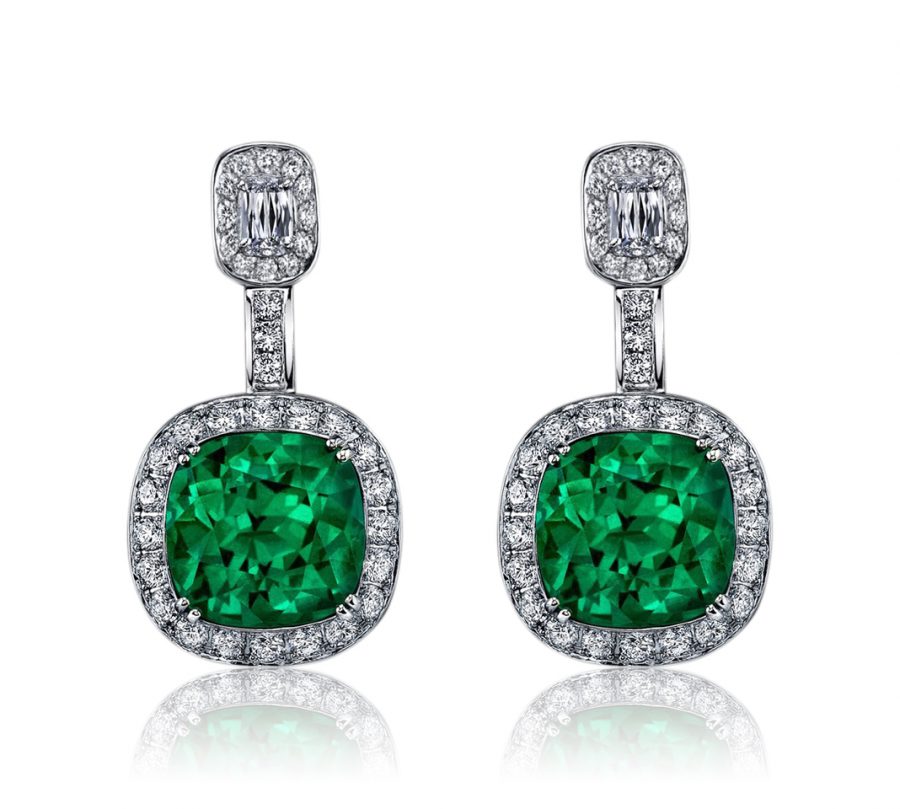
FAQs
Q: Are all emeralds green?
A: Yep, but shades vary! From yellowish to bluish-green, it's the chromium that gives that signature hue.
Q: How can I tell if my emerald is real?
A: Look for inclusions (real ones have them), or get a gemologist's certification. Synthetics are clearer but lack that natural jardin.
Q: What's the best origin for emeralds?
A: Colombia for top quality, but it depends on what you value—clarity (Zambia) or affordability (Brazil).
Q: Do emeralds appreciate in value?
A: High-quality ones can, especially rare untreated stones, but treat them as treasures, not investments.
Q: Can I wear emerald jewelry every day?
A: Sure, but be gentle—reserve for special occasions if it's a ring, to avoid knocks.
There you have it! Emeralds are more than gems; they're pieces of earth's poetry. If you've got one, cherish it—or maybe it's time to hunt for your own green dream. What's your favorite emerald fact?